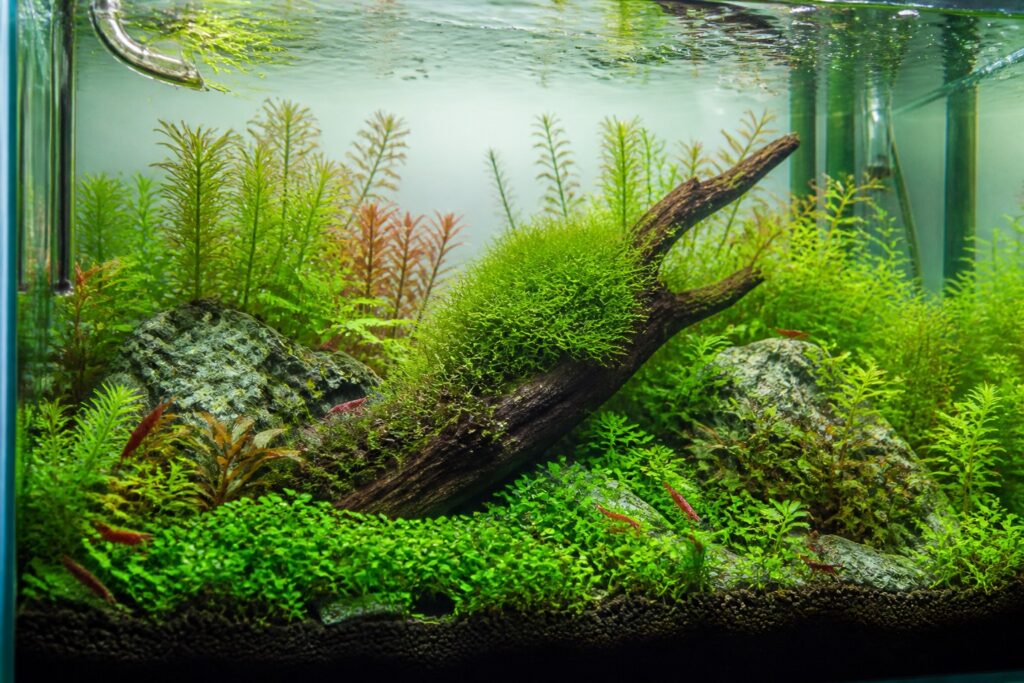
Eleocharis acicularis is a beautiful foreground aquatic plant that is relatively easy to grow, developing horizontally in the tank without growing too tall. This species is used to create layouts by great artists due to its distinctive natural shape! Below, we will guide you on how to create a beautiful carpet of Eleocharis acicularis.
You may be interested in:
→ List of popular aquatic plants in aquascaping.
→ How to plant and care for various Bucephalandra.
→ How to plant and care for pearl grass.
| Common name: | Eleocharis acicularis |
| Scientific name: | Eleocharis acicularis |
| Origin: | Global |
| Optimal temperature: | 20 – 28°C |
| Light conditions: | medium – high |
| Growth rate: | Medium |
| Difficulty: | Medium |
| pH: | 6.0 – 7.5 |
| Planting position: | Foreground |
| Can be planted emersed: | Yes |

How to plant Eleocharis acicularis
Preparation
Wash the plant you just bought to remove the mud. Then, divide Eleocharis acicularis into small clumps. Make sure to keep the plants upright and tidy, and cut off the old roots, leaving about 1-1.5cm of root.

Planting method:
Determine the area to plant Eleocharis acicularis. Usually, it is planted in the foreground or background on the higher empty ground.
Then, insert each clump of Eleocharis acicularis into the substrate! Note that when planting, do not insert it straight down; instead, plant it at a slight angle so that the plant does not float up during the water filling process. The planting distance between clumps of Eleocharis acicularis should be 3-4cm apart. Avoid planting too densely; we recommend not planting too thickly because the plants will grow unevenly. When planted a bit sparsely, the plants will later produce water leaves and spread evenly, creating a beautiful and uniform carpet.

Care conditions:
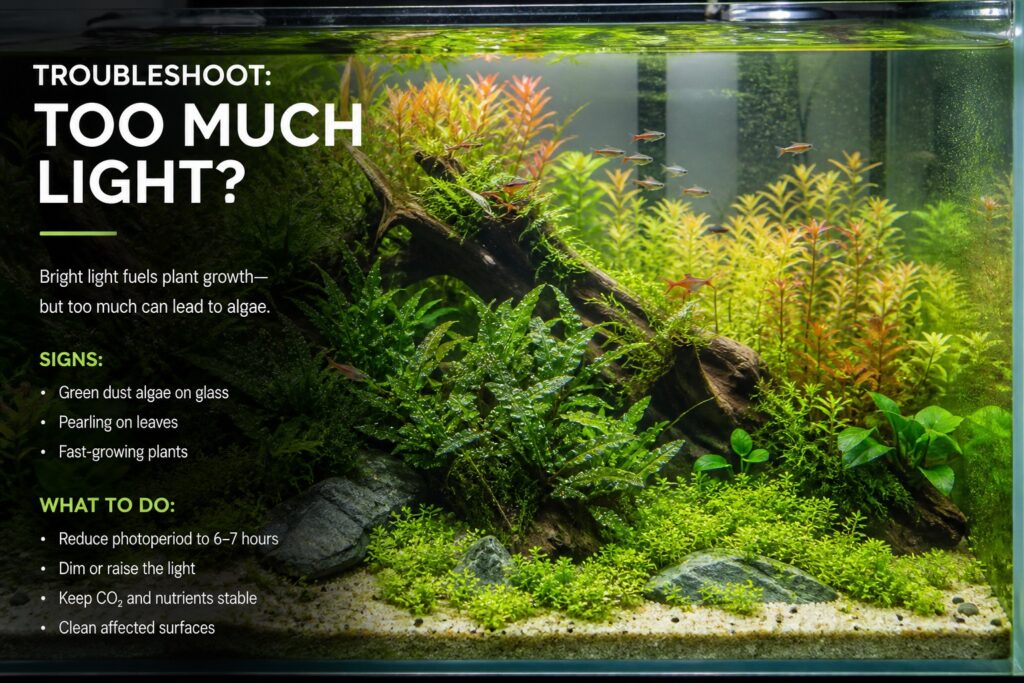
Eleocharis acicularis is a light-loving plant, so keep it under direct light from the lamp.
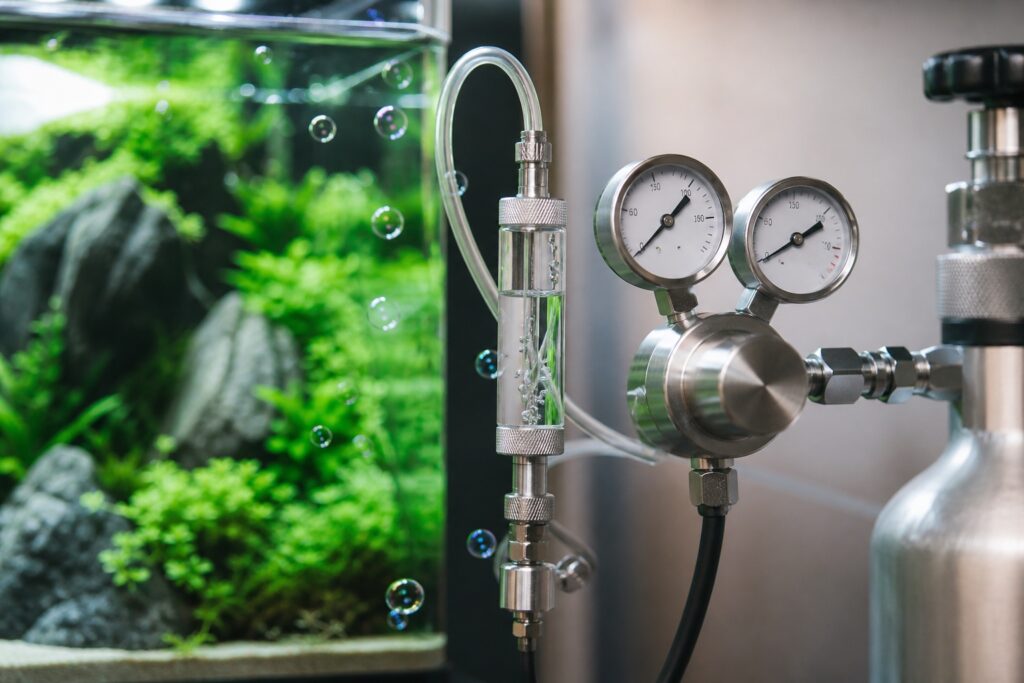
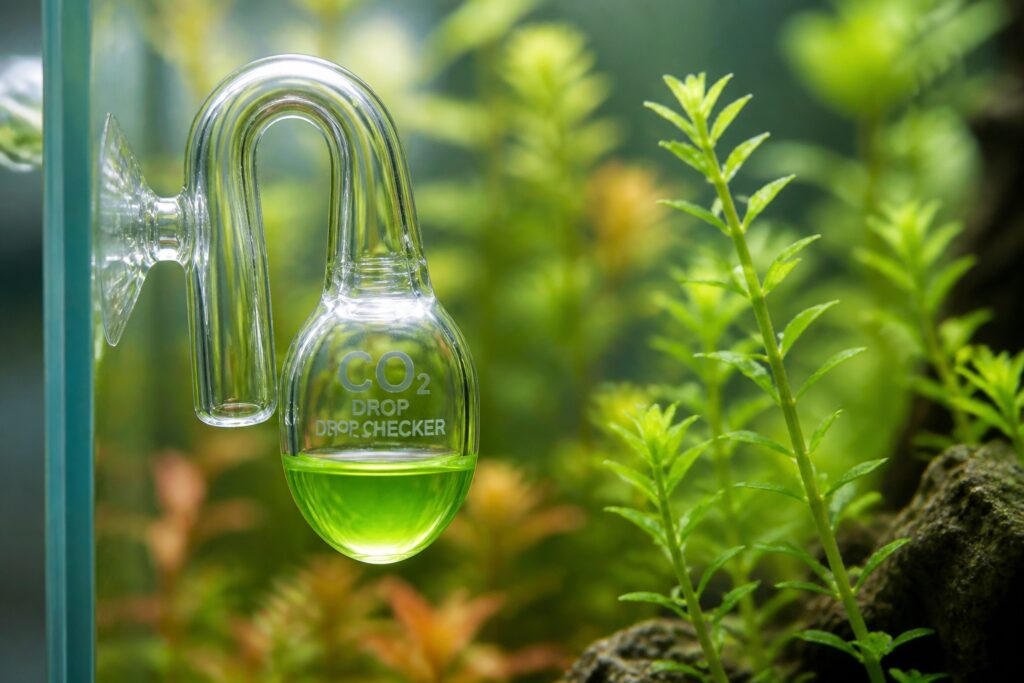
Recommended CO2 is 2-3g/1s.
Additionally, Eleocharis acicularis is very susceptible to algae, especially hair algae, during the initial setup of the tank due to the high nutrient content in the plant.
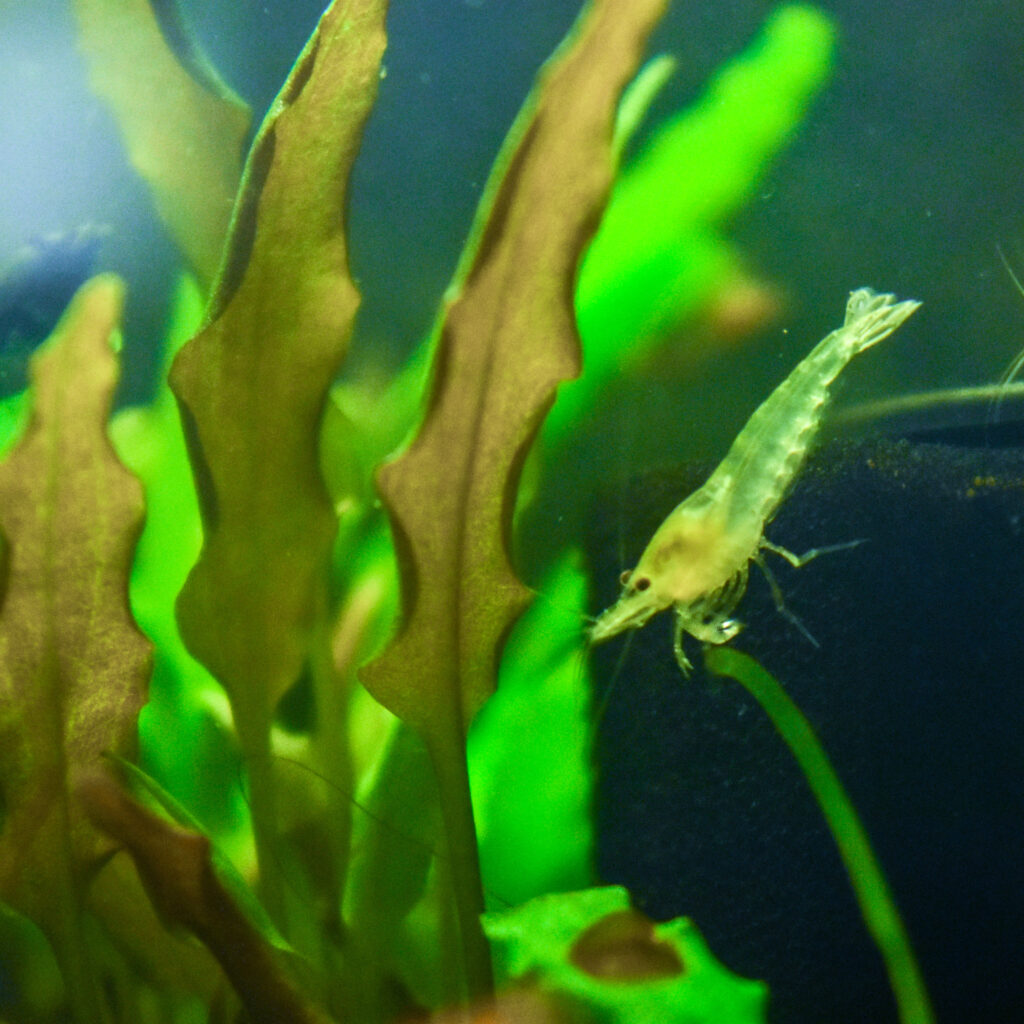
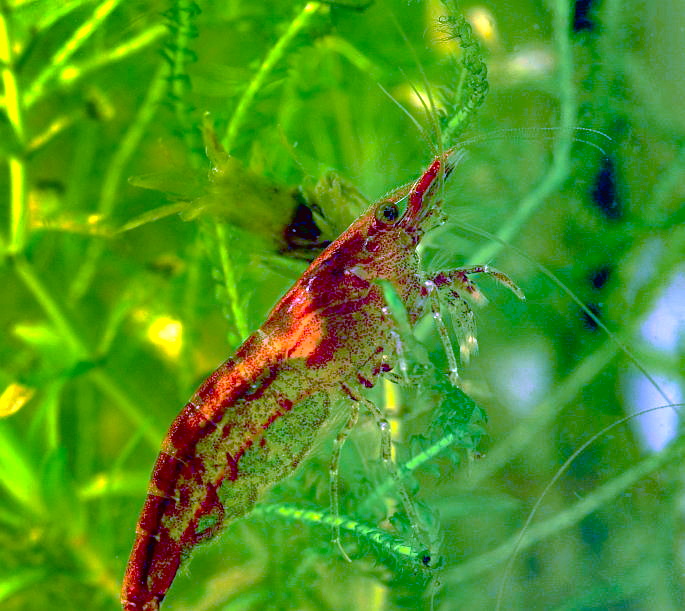
At this time, you should introduce natural predators like guppy fish or shrimp to help eliminate them, or using Twinstar is also a quite effective alternative! Avoid using algae-killing chemicals to prevent future complications!
WISH YOU SUCCESS!
Tag: Aqua Plants Hub,
Aqua Plants Hub Editorial