Continuing the series for beginners, today we would like to guide you
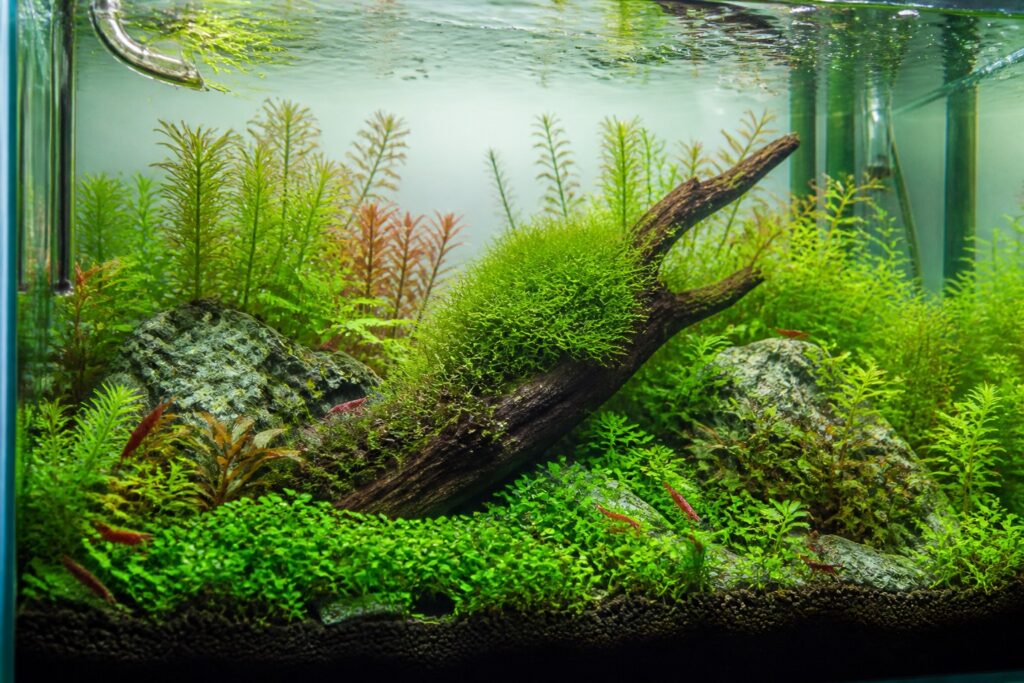
-In an aquascape, we will divide it into 3 basic parts: foreground, midground, and background.
Issue 3: How to plant aquatic plants to fit the layout
Issue 3: How to plant aquatic plants to fit the layout
Posted by: Aqua Plants Hub on January 13, 2017
Foreground: is the first layout that catches your eye, located at the outermost part of the tank.
Midground: is the layout in the middle, usually higher than the foreground.
Background: is the part at the back, often obscured by other components of the tank and is where you create depth for your aquarium.
Once you have distinguished the basic components of the tank, the next step is to choose aquatic plants. Currently, on our website aquaplantshub.com, we have updated a list of commonly planted species in different parts of the tank.
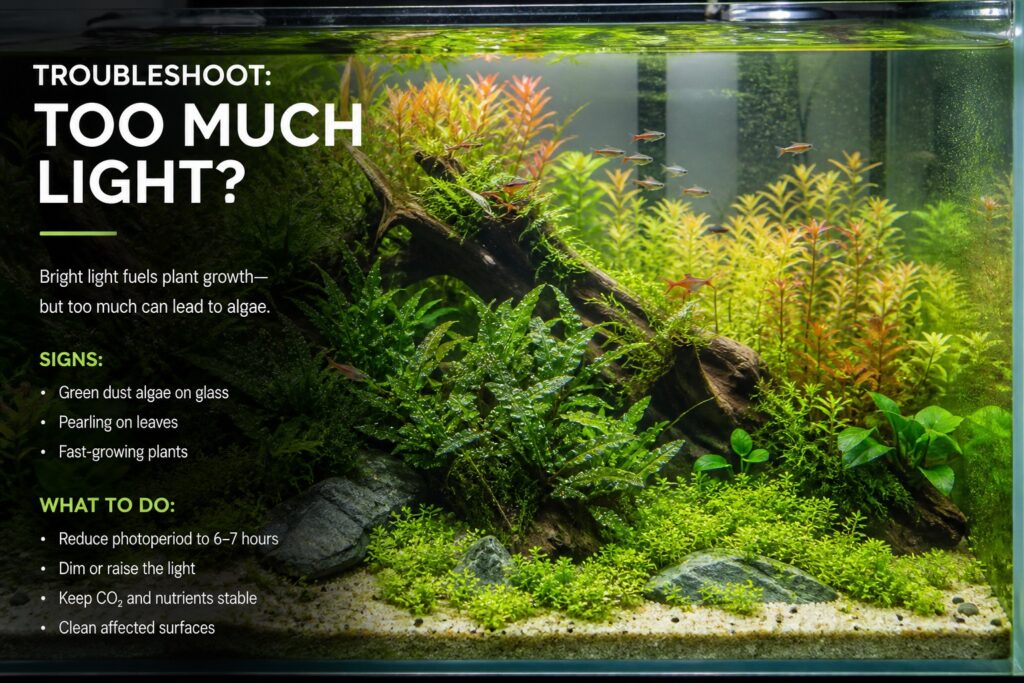
After you have identified the types of plants to grow in the tank, the next thing you should explore is their colors and growth characteristics. Each type of aquatic plant has different colors, but you only need to pay attention to whether its color is light or dark. Choosing the placement and color of the plants will help your tank appear deeper. For example, plants like pearl grass and hornwort usually have light colors, so we will place them in the foreground; the further back into the midground and background, we should choose plants with darker green colors, such as needle leaf or snail grass…. Additionally, for mosses: As you know, riccia has a very bright green color, so we will choose to place it in the foreground, followed by darker green mosses in the midground like Java, weeping, xmas… In the background, we place darker green mosses to create depth, such as Flame, usfiss….
Besides choosing the planting position based on color, the growth characteristics of the plant species are also important to consider when placing them in the tank. For example: ferns, aroids, and bucephalandra are naturally epiphytic plants that grow slowly and require low light, so when you place them in the tank, you should put them in tree roots or rock crevices for a more natural look. Additionally, fast-growing plants that need sufficient light and substrate should be considered for their height; for example, tall plants like snail grass should be planted in the background, while creeping plants should be placed in the foreground.
Placing plants based on their colors and growth characteristics helps you balance the colors and layout after the plants grow and stabilize. Proper placement along with your care and pruning will help your tank achieve greater depth.
WISH YOU SUCCESS!
For any suggestions, please leave a comment on our YouTube page or Fanpage. Thank you for following us.
Tag: Aqua Plants Hub
Aqua Plants Hub Editorial