




Why this number
This calculator estimates a safe starting count from usable water volume and the average adult length of the fish you want. It is a capacity checkpoint — not permission to ignore filtration, aggression, or schooling needs.
The math follows a classic volume-to-length relationship (often summarized as an “inch per gallon” style rule). Planted tanks with strong filtration can sometimes hold a bit more; nano tanks and messy fish usually need less.
How to use it
- Enter tank length × width × height in cm (internal water dimensions if you can).
- Enter the adult size of the fish species — not the cute juvenile length at the store.
- Treat the result as a ceiling for similar-sized community fish, then subtract for territorial species.
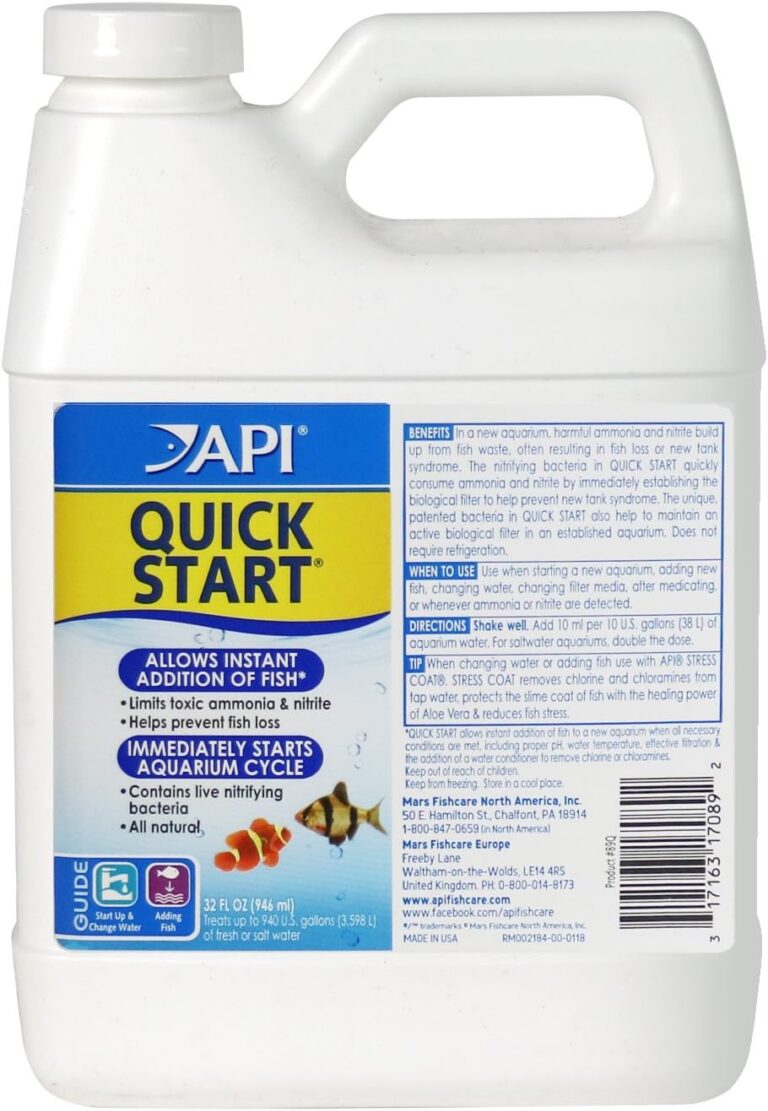
- Still cycle the tank: see new tank syndrome before stocking hard.
Limitations (read this)
- Schooling fish need groups even if the “count” is low — five tetras may beat two.
- Bioload differs: goldfish and large cichlids are heavier than neon tetras of the same length.
- Surface area and filtration matter as much as liters. Weak HOB + overfeed fails any chart.
- Shrimp / snails are not scored the same way — use shrimp-focused Budget Setup guides.
Next steps after the number
- Pick a BOM: Budget Setup guides.
- Size the filter: pump-flow calculator on this hub.
- If water clouds after stocking: cloudy water troubleshoot.
FAQ
Is inch-per-gallon still valid?
It is a rough ceiling, not a law. Use it to avoid obvious overcrowding, then adjust for species and filtration.
Should I stock the full number on day one?
No. Add livestock in stages after ammonia and nitrite stay at 0.
Does a planted tank allow more fish?
Plants help with stability, but they do not erase bioload. Keep a margin.
What about one betta?
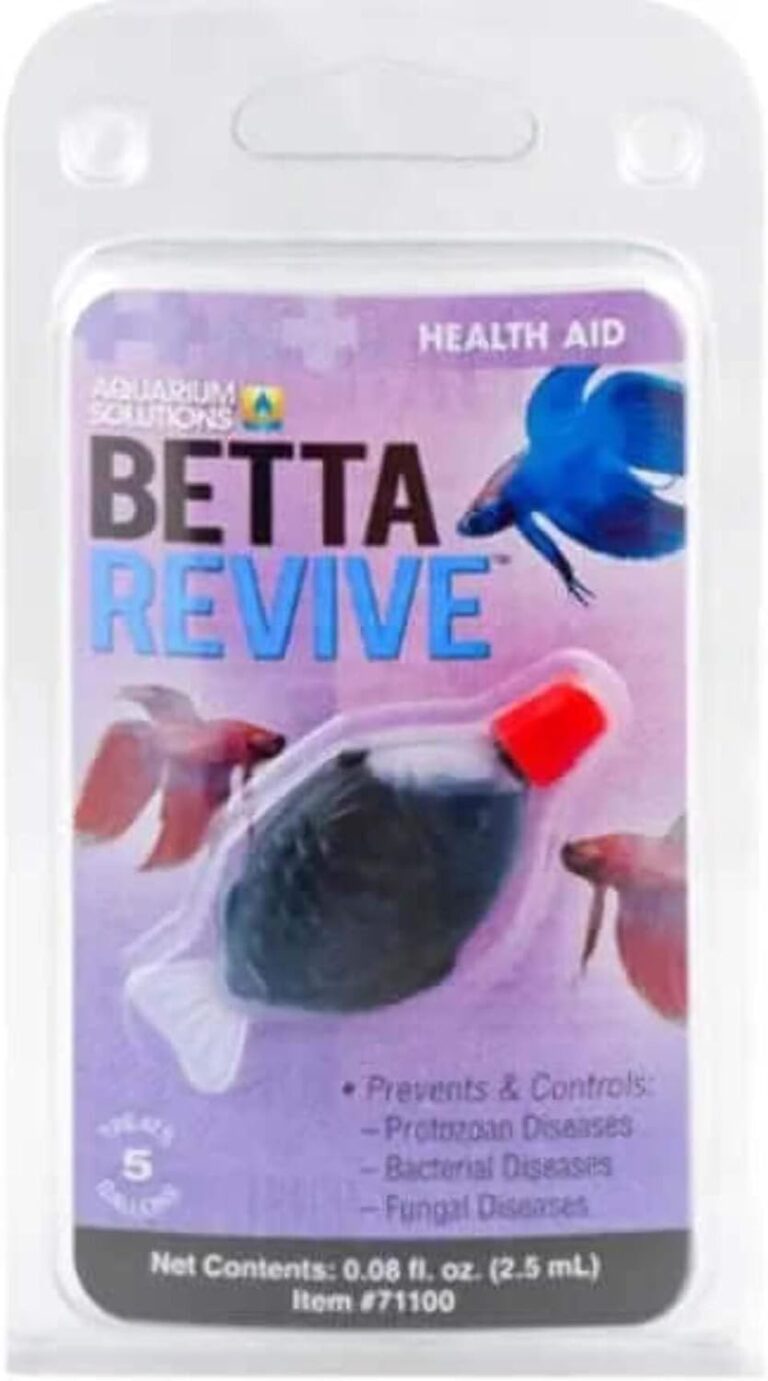
Bettas need footprint and gentle flow more than a high “fish count.” See the betta Budget Setup guide.
Can I mix sizes in one calculation?
Run the tool for the largest planned adults, or calculate groups separately and take the stricter total.
Field notes from our tanks
We treat calculator output as a starting hypothesis. After you change light, CO₂, or stocking, give the tank several days and retest before stacking another change. Most algae and melt episodes come from two changes at once, not from a single “wrong” number on day one.
Keep a small notebook (or phone note) with tank dimensions, KH, photoperiod, and the date you changed livestock. That record makes the next calculator run faster and keeps Budget Setup / Troubleshoot links honest for your exact system.