Troubleshoot
New Tank Syndrome: Symptoms, Timeline & Survival Fix
New tank syndrome is ammonia and/or nitrite toxicity while the biofilter is still establishing. Survival is water changes + patience—not more fish.
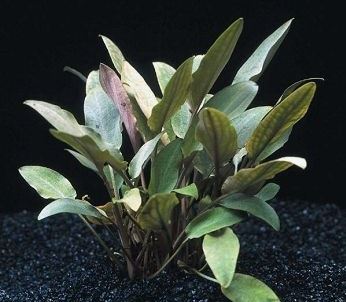
- New tank
- Cycle
- Ammonia/Nitrite
- Fish-in care
What you’re seeing
NTS is defined by test kit numbers, not by cloudy water (though clouds can appear).
| Stage (typical) | What you see |
|---|---|
| Days–weeks after setup | Ammonia rises first as waste starts |
| Next phase | Nitrite rises as ammonia converters establish |
| Cycle completing | Ammonia & nitrite fall to 0; nitrate rises |
| Fish-in stress signs | Gasping, clamped fins, lethargy — act on tests |
Fishless cycles still need monitoring. Fish-in cycles need aggressive dilution whenever toxins climb.
Likely causes (ranked)
Unfinished nitrogen cycle
Nitrifying bacteria colonies are not established yet.
Quick test: Ammonia→nitrite→nitrate sequence on tests.
Fish added too early / too many
Bioload ahead of bacteria growth.
Quick test: Heavy stocking on day 1.
Filter too small / turned off
Not enough colonization surface or bacteria killed by downtime.
Quick test: Tiny HOB off at night; media dried.
Medication / chlorine kill
Resets bacteria mid-cycle. New tank syndrome is chemistry risk to livestock—not “ugly glass.” Ammonia and nitrite spikes kill faster than algae ever will.
Quick test: After untreated tap fill or harsh meds.
Fix order
-
Step 1
Test daily
Track ammonia, nitrite, nitrate. A simple log beats guessing from fish behavior alone.
-
Step 2
Water-change to keep toxins low
Change enough to keep ammonia/nitrite as close to 0 as practical for the livestock you already have.
-
Step 3
Feed sparingly
Skip days; tiny portions only. Food becomes ammonia.
-
Step 4
No new fish until 0/0
Wait until ammonia and nitrite stay 0 for a week with rising nitrate and normal light feeding.
Fish-in vs fishless: Fish-in cycles need frequent testing and partial water changes to keep toxins down. Fishless cycles dose ammonia deliberately without animals present—safer when you can wait.
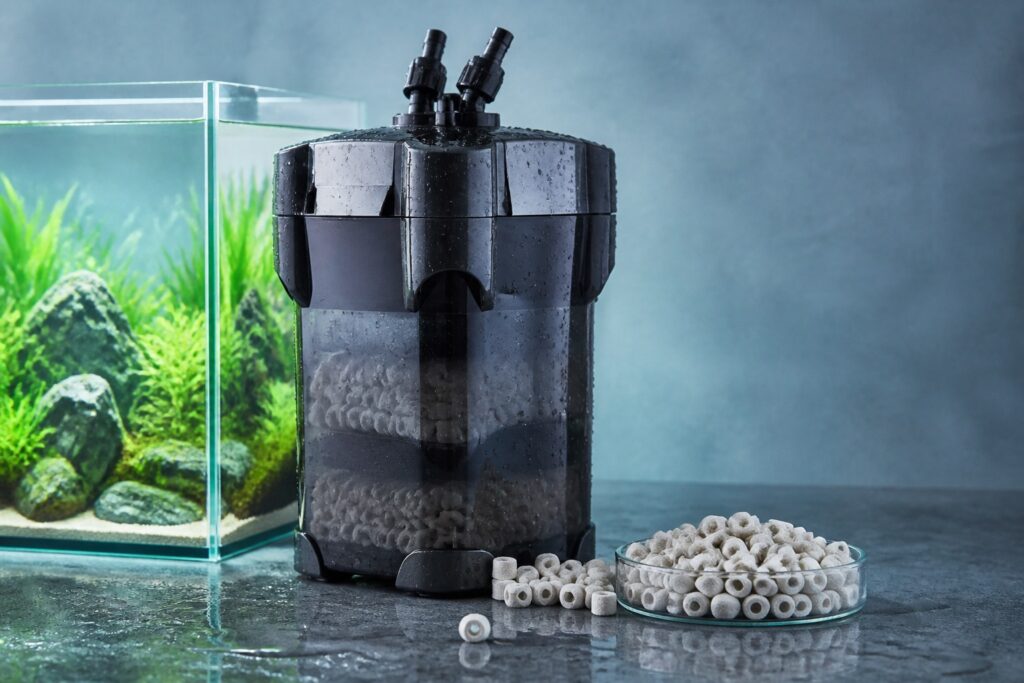
Seed media carefully: Established filter media from a healthy tank speeds cycling. Never rinse bio media under tap chlorine.
Stocking pace: Add livestock slowly after 0/0. A sudden full community load can recreate mini-spikes even in an “aged” tank if the biofilter was barely sized for the bioload.
Documentation habit: Write down ammonia, nitrite, and nitrate each test day. Patterns beat memory—especially when deciding whether a cloudy day is cosmetic or a chemistry emergency needing water changes.
When to pause stocking: If nitrite appears after you thought the cycle was done, stop adding animals immediately. Partial water changes bring toxins down while the biofilter catches up—rushing a full community load is how new tank syndrome returns.
When to escalate
- Acute ammonia crisis steps → Ammonia spike treatment.
- Rotten smell + gasping → Smell checklist.
- Bacterial cloudy water → Cloudy water.
- Brown diatoms in new tanks → Brown diatoms.
Calculators → All calculators.
Helpful products
Related guides
- Ammonia spike — Related
- Smelly tank — Related
- Cloudy water — Related
- All calculators — Tools
FAQ
How long does new tank syndrome last?
Often 2–6+ weeks fish-in; fishless varies. End when ammonia & nitrite stay 0.
Can I add more plants to fix it faster?
Plants help modestly; water changes remain primary with livestock.
Is cloudy water required for NTS?
No—chemistry defines it, not cloudiness.
Should I restart the tank?
Almost never. Dilute, aerate, and keep the filter running.
When is it safe to stock more?
After 0 ammonia and 0 nitrite for ~7 days on a normal feeding schedule.
How often should I test during a cycle?
Daily at first when livestock are present. Log ammonia, nitrite, and nitrate until you see the classic 0/0 with rising nitrate.
Can plants finish the cycle alone?
Plants help, especially with light, but do not assume zero risk—test until the numbers prove the cycle.
Aqua Plants Hub Editorial