Troubleshoot
Aquarium Ammonia Spike: Test & Crash-Course Fix
Any measurable ammonia with fish is an emergency priority. Confirm the kit reading, then dilute and cut bioload—don’t wait for “the cycle to catch up” alone.
- Ammonia
- Emergency WC
- Bioload
- Test kit
What you’re seeing
Treat the number, then the cause. Plants do not clear a spike fast enough when livestock are present.
| Reading / context | Action priority |
|---|---|
| Ammonia > 0 with fish (even 0.25 ppm on API) | Water change + stop feeding now |
| Spike after new fish or heavy feeding | Reduce bioload; don’t add more stock |
| Spike after rinsing media in tap water / medications | Filter crash — preserve remaining bacteria |
| Spike + missing fish / smell | Remove decay; see smell guide if H₂S |
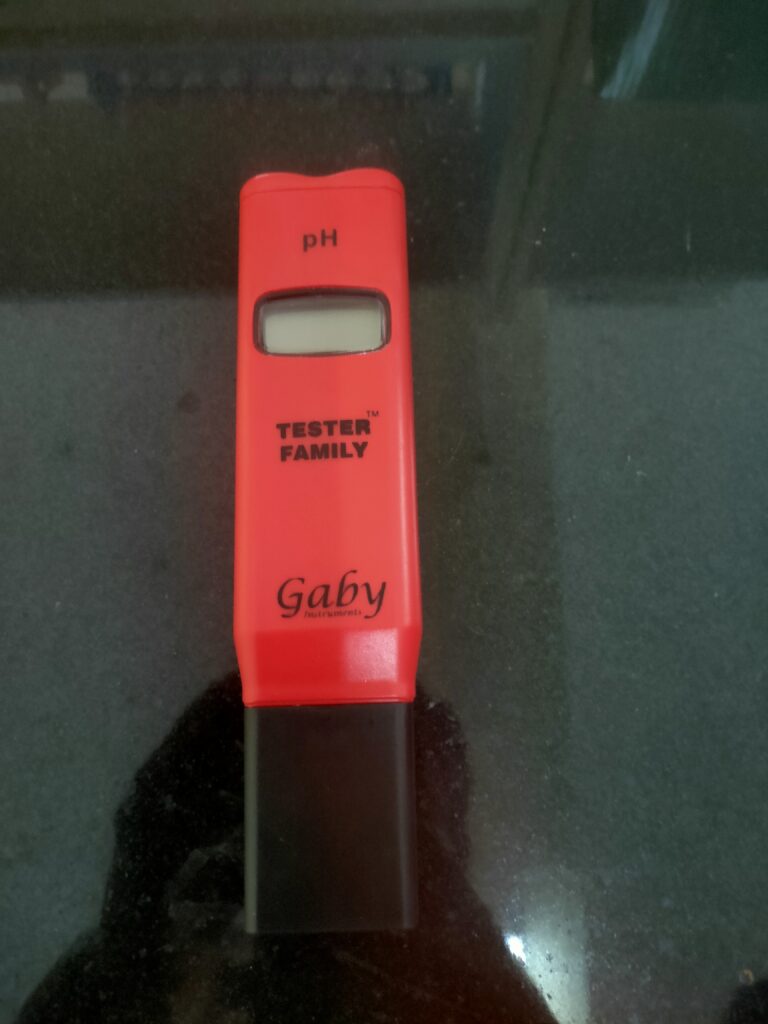
Retest with a non-expired liquid kit. Strip tests are easier to misread under yellow lighting.
Likely causes (ranked)
Incomplete cycle / filter crash
Biofilter bacteria are not matching the load—or were damaged by chlorine, meds, or drying out.
Quick test: Ammonia up; nitrite may follow; recent setup or media abuse.
Overstock / overfeed
Waste exceeds what nitrifiers can process today.
Quick test: New fish recently; leftover food; crowded tank.
Dead animal / buried organics
A carcass dumps ammonia quickly.
Quick test: Smell; missing livestock; mulm pockets.
Medication / rinsed bio media
Kills or washes away nitrifiers mid-cycle. Ammonia burns gills and stresses fish within hours at elevated levels—treat as livestock emergency first, cosmetics second. Liquid tests beat strip kits when stakes are high.
Quick test: After meds or tap-water rinse of sponges/ceramic.
Fix order
-
Step 1
Retest + large water change
Confirm the kit isn’t expired. Do 40–50% with dechlorinated water matched for temperature. Repeat if readings stay high.
-
Step 2
Stop feeding 24–48h
Cut ammonia input immediately. Livestock survive skipped meals better than ammonia burns.
-
Step 3
Aerate + keep filter running
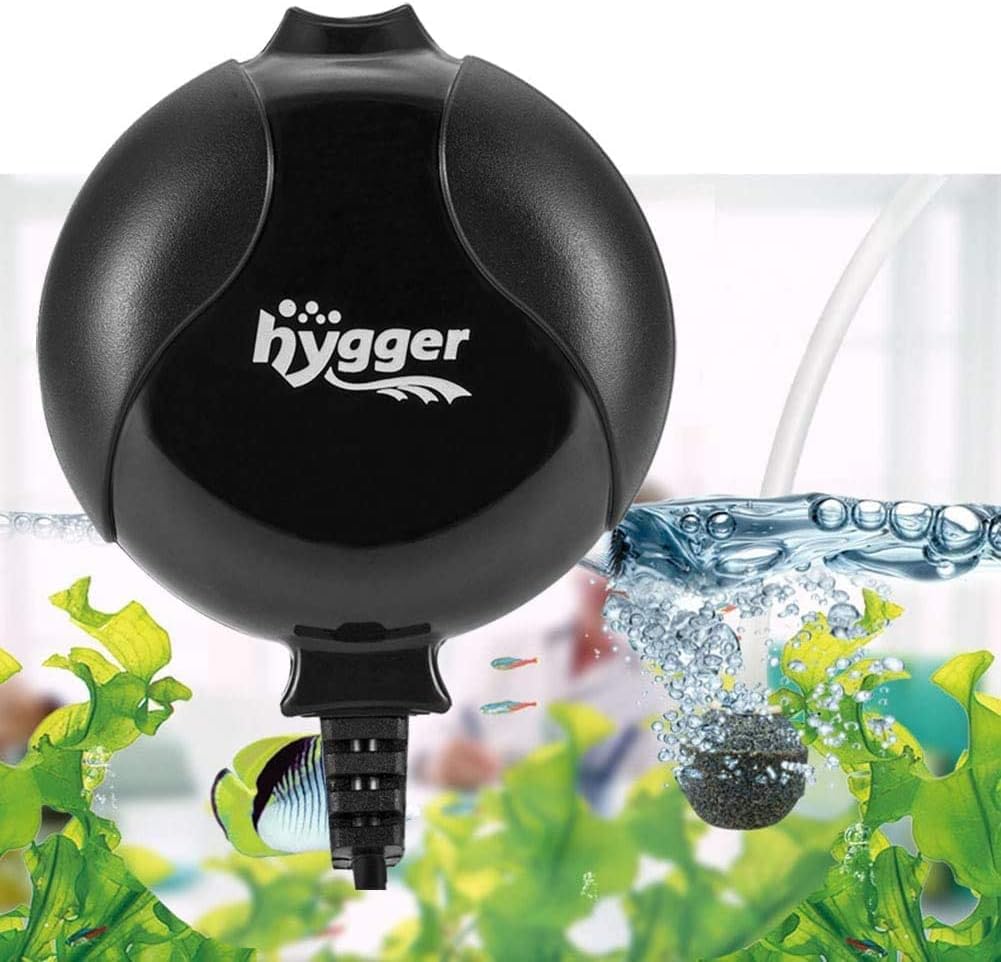
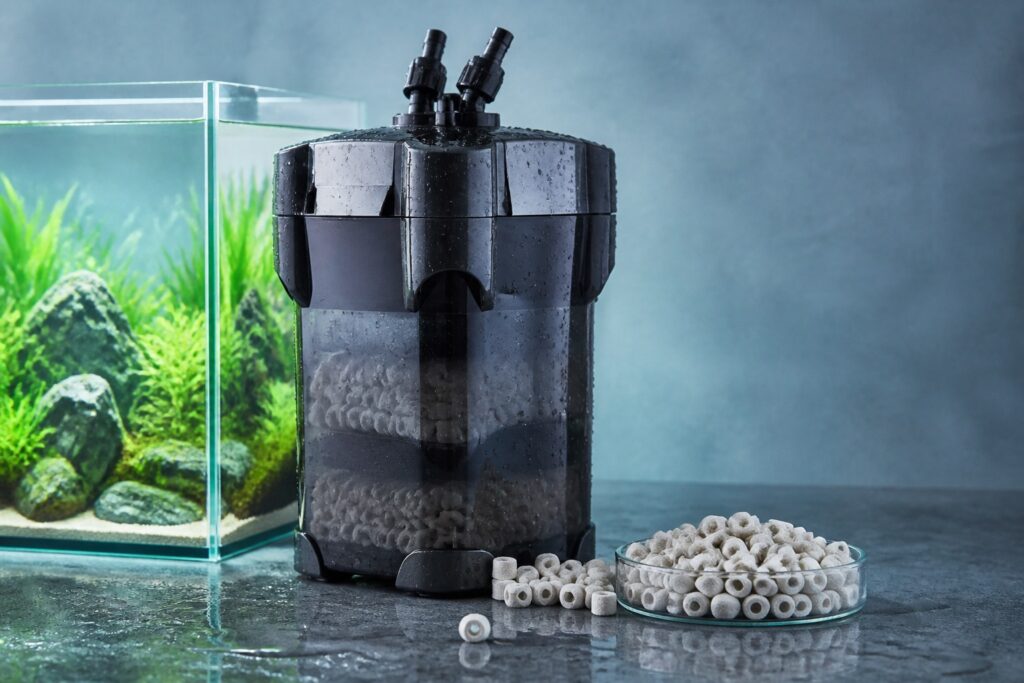
Never turn the filter off “to rest.” Add an air stone. Rinse only clogged mechanical media in tank water.
-
Step 4
Optional detox + retest
Ammonia binders can buy time while bacteria catch up—follow label. Retest in 6–12 hours and keep changing water until 0.
Dose discipline: After any conditioner or water change, re-test in 30–60 minutes. If ammonia rebounds the same day, look for dead livestock, uneaten food, or a crashed filter—not just “add more dechlorinator.”
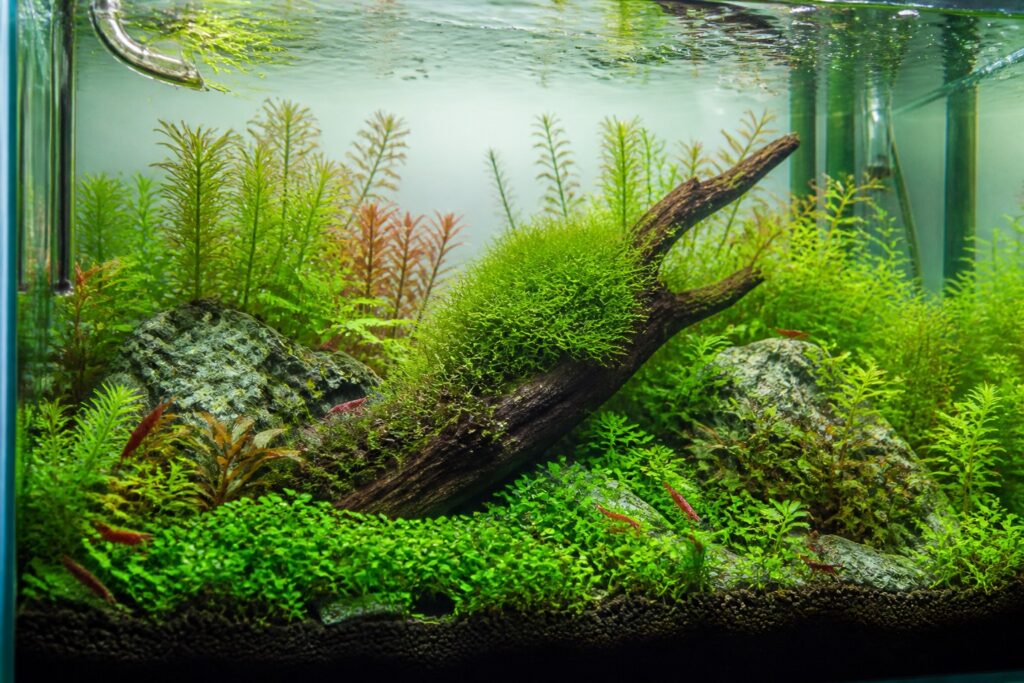
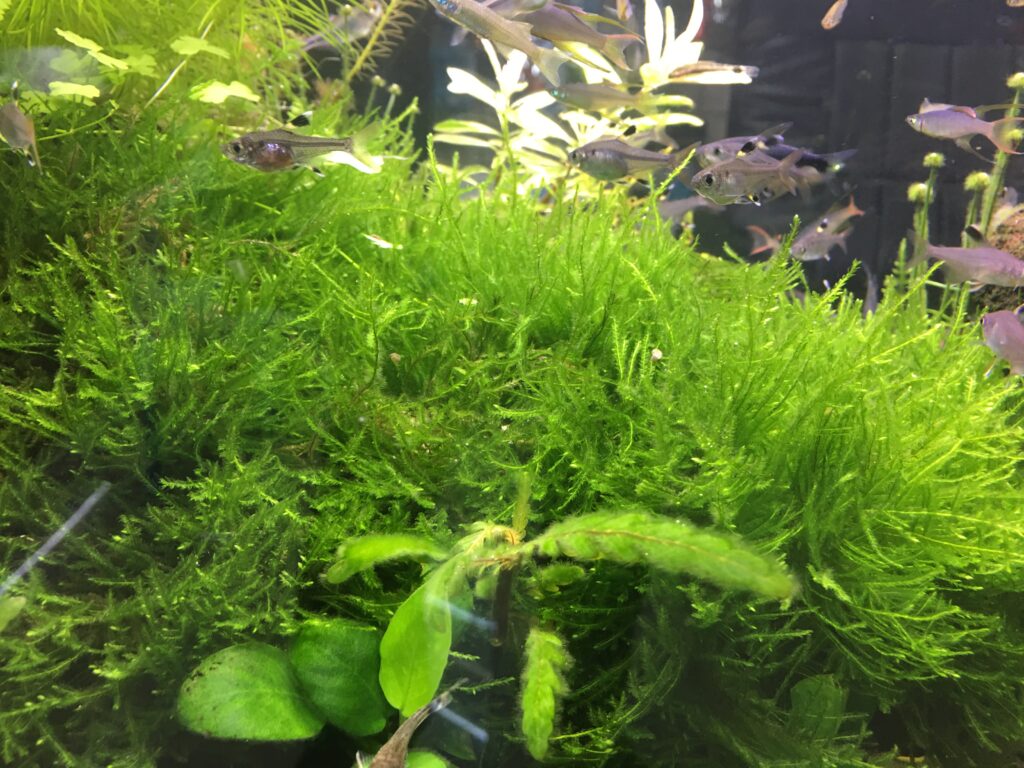
Planted tanks: Fast plants help consume ammonia once light/CO₂ are on, but they do not replace water changes during a spike with fish in the tank.
After the crash: Keep testing for several days even when the first reading hits zero. Hidden organics can rebound ammonia overnight. Hold off on new livestock until readings stay clean through a normal feeding day.
When to escalate
- Ongoing cycle with livestock → New tank syndrome survival.
- Smell after vacuum → Smelly tank checklist.
- Cloudy bloom during cycle → Cloudy water.
- Calculators → All calculators.
Helpful products
Related guides
- New tank syndrome — Related
- Smelly tank — Related
- Cloudy water — Related
- All calculators — Tools
FAQ
Is 0.25 ppm ammonia safe?
For sensitive fish, treat any reading above 0 as action needed.
Can plants alone clear ammonia fast enough?
Helpful, not enough during a spike with livestock.
Should I replace filter media now?
No—preserve bacteria; rinse mechanical media only if clogged.
Do water conditioners remove ammonia permanently?
Detox products usually bind/convert temporarily—you still need bacteria and dilution.
When can I add more fish?
Only after ammonia and nitrite stay 0 for about a week with normal feeding.
Can I add fish while ammonia is still detectable?
No. Wait for reliable 0 ppm ammonia (and nitrite) on a liquid kit before stocking more.
Does cloudy water always mean ammonia?
No. Test. Bacterial blooms can look milky with ammonia still at 0—or hide a spike. Numbers decide.
Aqua Plants Hub Editorial