Troubleshoot
Smelly Aquarium Water Checklist (Rotten Eggs & More)
A rotten-egg smell usually means hydrogen sulfide (H₂S) from anaerobic pockets—or decaying organics. Fix oxygen and waste before adding livestock.
- Rotten eggs
- H₂S
- Anaerobic
- Filter sludge
What you’re seeing
Smell location and timing tell you more than a single water change.
| Pattern | Likely cause |
|---|---|
| Rotten eggs worse after stirring deep sand/soil | Anaerobic pockets releasing H₂S |
| Sudden smell + missing fish/shrimp | Decaying carcass or plant mass |
| Smell strongest when opening canister/sponge | Septic filter sludge |
| Surface film + gasping fish + swamp smell | Low oxygen / overfeeding |
Safety. Disturbing a deep anaerobic bed can dump toxins into the water. Spot-vacuum and aerate—don’t nuke the entire substrate in one session if fish are present.
Likely causes (ranked)
Anaerobic substrate pockets
Deep sand or compacted aquasoil without flow can go anoxic. Bacteria produce H₂S that smells like rotten eggs when disturbed.
Quick test: Smell spikes when gravel is stirred; black pockets in sand.
Dead fish / shrimp / plant mass
Decay dumps organics and odor fast—often after a heat spike or unnoticed death behind hardscape.
Quick test: Find carcass or rotting stems; smell sudden.
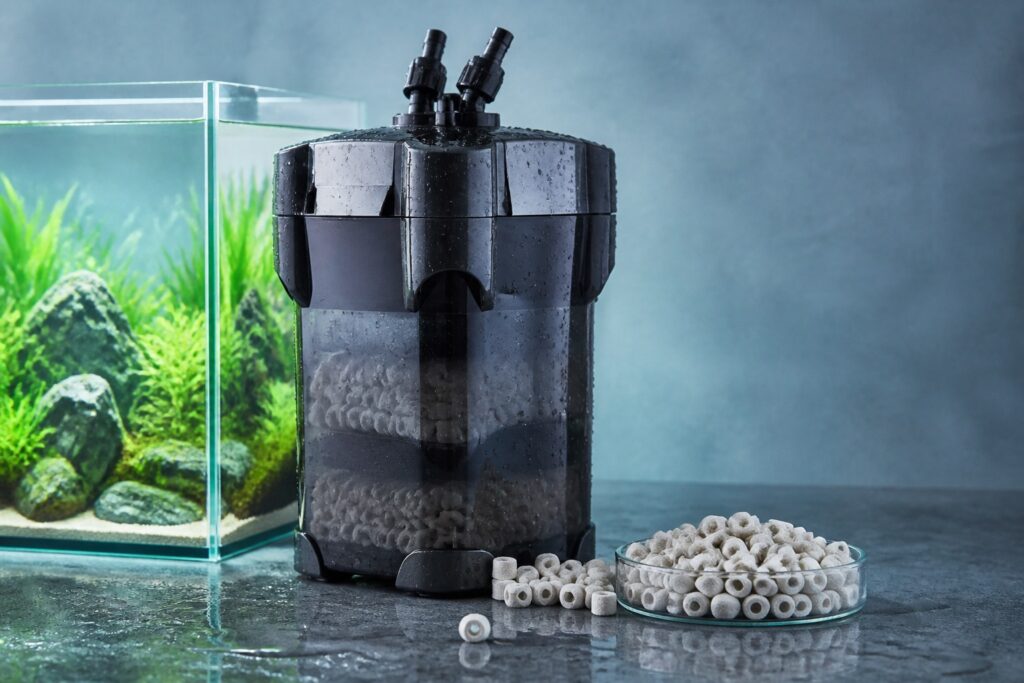
Neglected canister / sponge
Mechanical sludge turns septic when rarely rinsed. Odor is strongest at the filter.
Quick test: Open filter = wall of smell; media caked.
Overfeeding / low oxygen
Waste plus poor surface agitation creates swampy conditions and stressed fish. Rotten-egg smells often mean anaerobic pockets or decaying organics—not “mystery perfume.” Treat as a water-quality and substrate hygiene problem.
Quick test: Film on surface; gasping; leftover food.
Fix order
-
Step 1
Remove decay sources
Net dead animals/plants. Spot-vacuum obvious mulm—don’t deep-stir the entire bed at once with livestock present.
-
Step 2
Increase aeration immediately
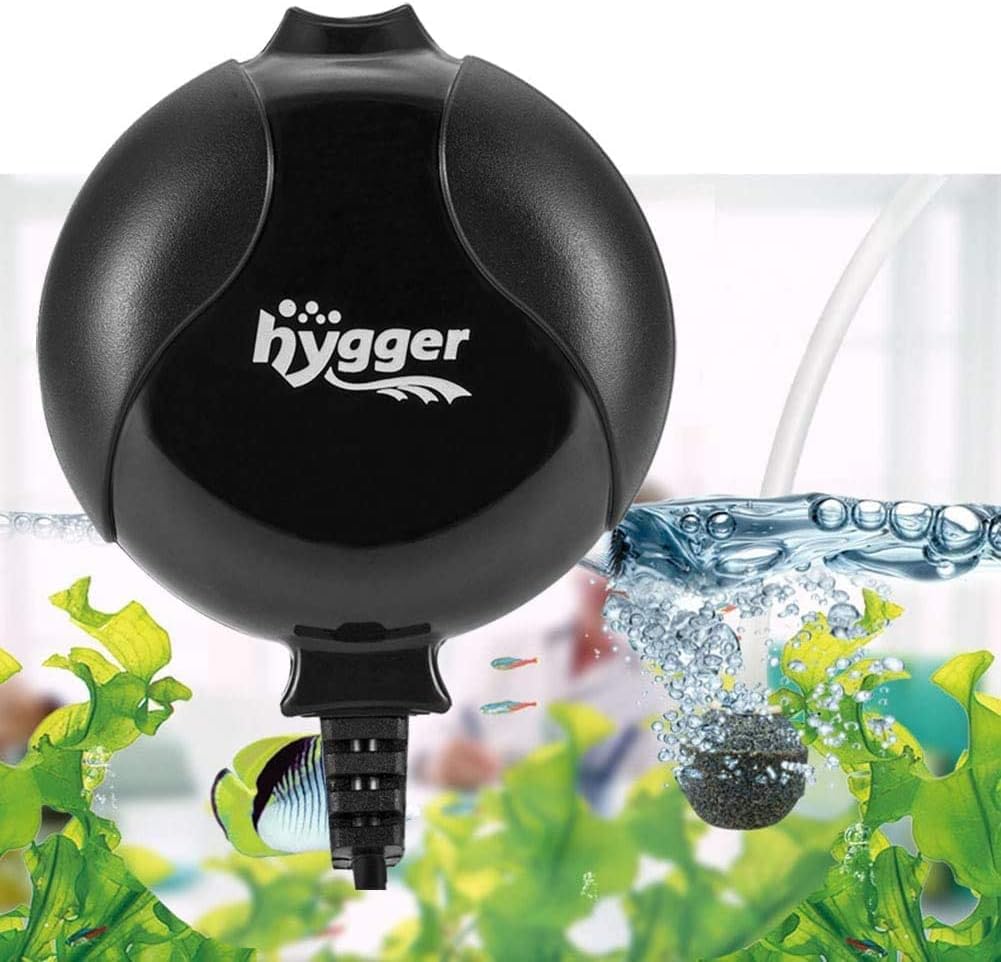
Lower the water line slightly or add an air stone; raise surface agitation so oxygen returns and H₂S risk drops.
-
Step 3
Service filter gently
Rinse mechanical media in tank water only. Never bleach bio media or rinse it in hot chlorinated tap water.
-
Step 4
Water change + retest
30–50% if smell persists. Retest ammonia after disturbing substrate—releases can spike toxins.
Immediate safety: Large water change, remove obvious dead matter, and increase surface agitation. If livestock gasp, prioritize oxygen and ammonia tests.
Substrate: Vacuum detritus; avoid deep stagnant pockets under décor. In dirted tanks, do not stab anaerobic layers into the water column carelessly.
When to escalate
- Ammonia rises after vacuum → Ammonia spike treatment.
- Fish gasping in a new setup → New tank syndrome.
- Cloudy water after disturbance → Cloudy water guide.
- Tools → Calculators.
Helpful products
Related guides
- Ammonia spike — Related
- New tank syndrome — Related
- Cloudy water — Related
- All calculators — Tools
FAQ
Is H₂S smell dangerous to fish?
Disturbing deep anaerobic pockets can release toxins—aerate and change water; don’t stir the whole bed at once.
Should I replace all substrate?
Rarely. Spot-vacuum and improve flow first.
Does carbon remove the smell?
It can polish odor briefly; it doesn’t fix anaerobic pockets or a dead fish.
Can I use hydrogen peroxide?
Not a first-line fix for H₂S pockets—focus on oxygen, waste removal, and careful vacuuming.
Why does smell return after every gravel vac?
Deep anaerobic zones remain—thin the bed, add flow, or vacuum more often in smaller passes.
Is the smell always hydrogen sulfide?
Often that is the association, but decaying protein can smell foul too. Either way: remove organics and retest chemistry.
Will more carbon fix the smell?
Carbon may reduce odor briefly; it does not replace removing the rotting source.
Aqua Plants Hub Editorial