



Why this number
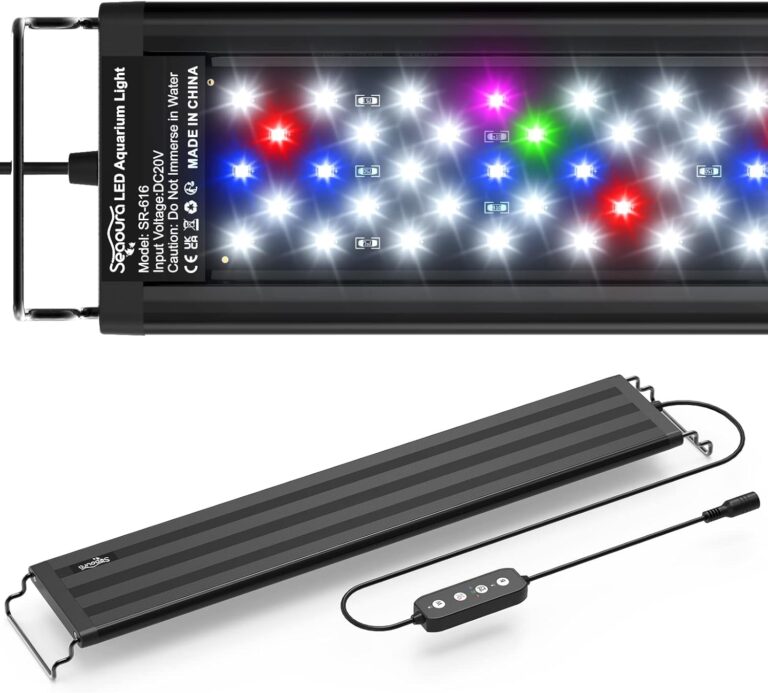
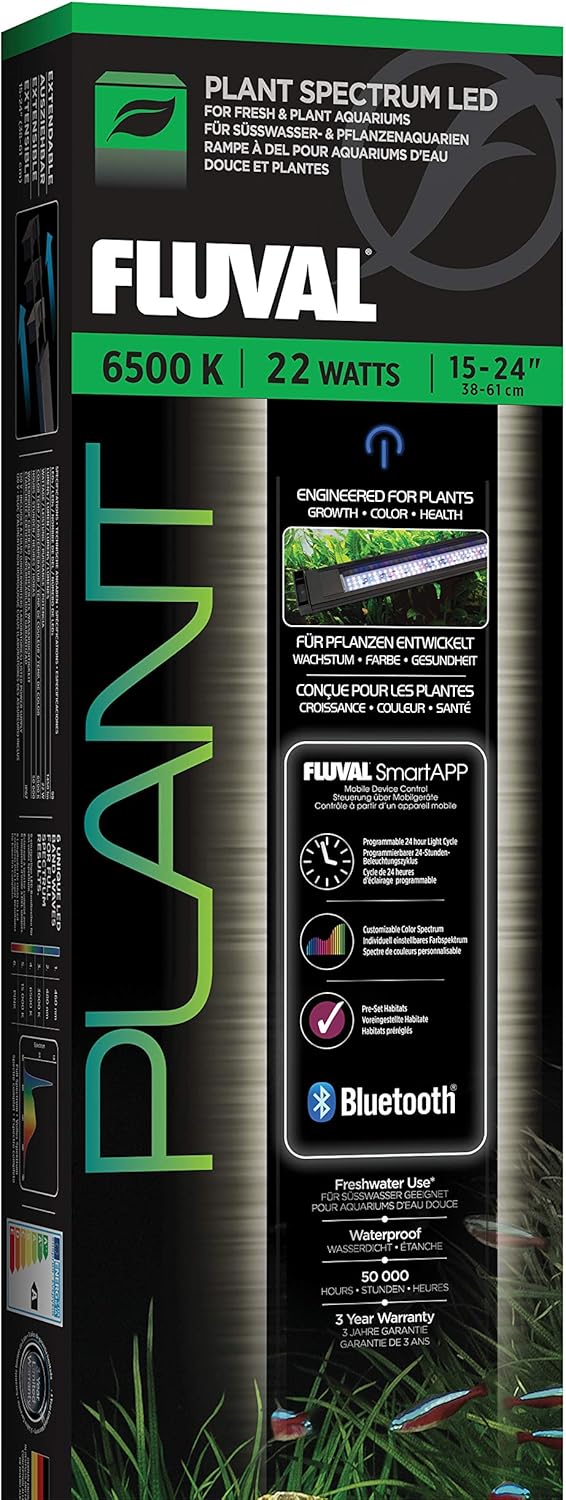
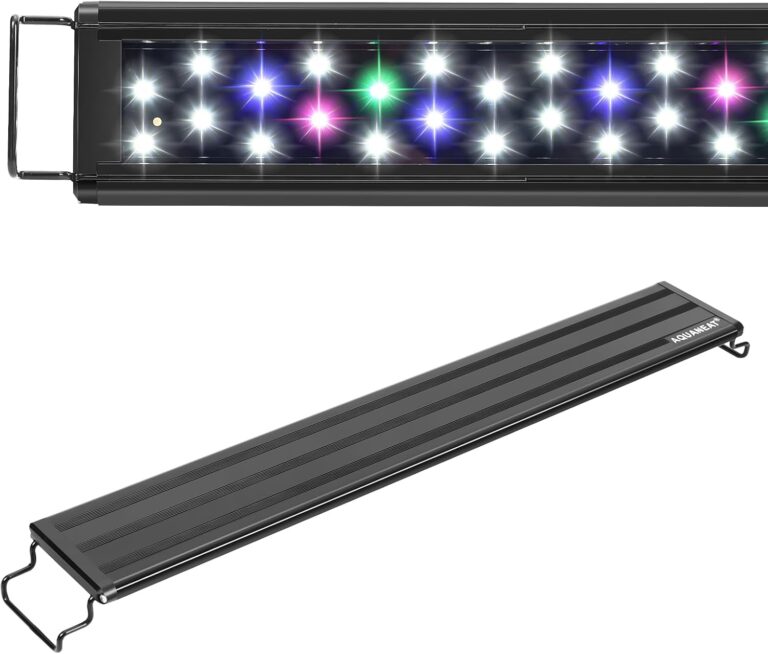
This tool estimates a LED wattage band from tank volume for low-tech, mid-tech, and high-tech plant goals. It is a shopping and setup starting point — not a lab PAR map of your exact fixture.
Watts ≠ PAR. Spectrum, height above water, diffuser, and LED efficiency change the light plants actually receive. Use the result to avoid absurd under/over-lighting, then tune with plant response and algae.
How to use it
- Enter internal tank dimensions (cm) to get volume.
- Compare the three tech bands — pick the band that matches your plant list (Anubias/Java fern ≠ HC carpet).
- Start toward the low end of a band for new tanks; raise intensity or hours only after plants grow.
- Pair with CO₂ plans if you aim mid/high-tech: CO₂ hub.
Limitations
- No substitute for a PAR meter on demanding scapes.
- Long photoperiod at “low watts” still grows algae — hours matter.
- If leaves melt or yellow after a light upgrade, see plant troubleshoot guides before buying more LED.
Next steps
- Budget lighting inside BOM pages: Budget Setup.
- Green spot after too much light: GSA guide.
FAQ
Why keyword “PAR” if the tool shows watts?
Searchers say PAR; most shoppers still buy by watts and brand. We estimate watt bands and explain the PAR gap so you do not over-buy blindly.
Can I run high-tech watts without CO₂?
Usually a bad idea — high light without carbon/nutrients feeds algae. Match light to your injection plan.
How many hours should lights run?
Many planted tanks do well around 6–8 hours once stable. Longer is not automatically better.
Do rimless tanks need more light?
Not automatically — depth and fixture height matter more than rim style.
My carpet is melting under “correct” watts
Check planting density, CO₂ stability, and nutrient delivery — light is only one leg of the stool.
Field notes from our tanks
We treat calculator output as a starting hypothesis. After you change light, CO₂, or stocking, give the tank several days and retest before stacking another change. Most algae and melt episodes come from two changes at once, not from a single “wrong” number on day one.
Keep a small notebook (or phone note) with tank dimensions, KH, photoperiod, and the date you changed livestock. That record makes the next calculator run faster and keeps Budget Setup / Troubleshoot links honest for your exact system.