Ornamental fish species are often suitable for a specific aquatic environment. The impacts of the aquatic environment often include water source and parameters. These changes will vary in degree. This, in turn, affects the growth, reproduction, nutrition, and survival rate… of the fish. In the article below, let’s join aquaplantshub.com to learn about the important characteristics of the aquatic environment for ornamental fish!
The aquatic environment affects ornamental fish
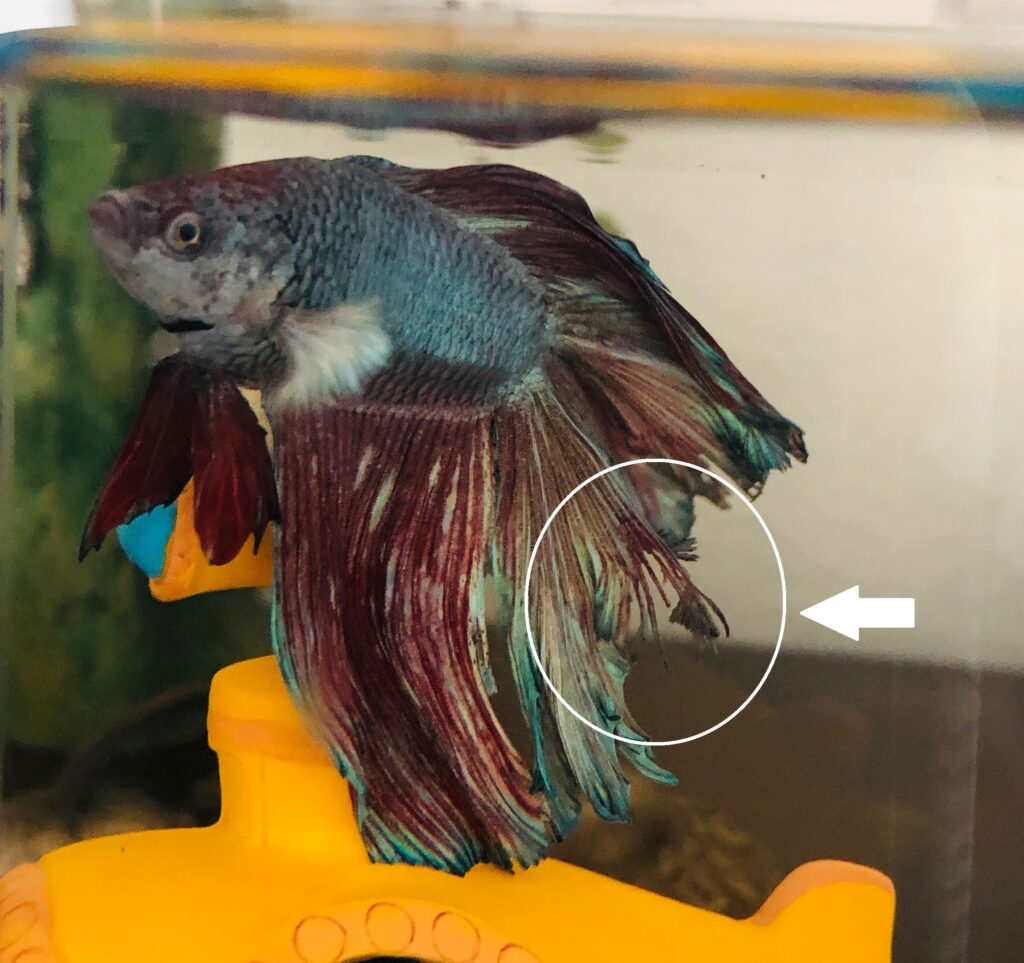
For fish species, color is a very distinctive characteristic. Color enhances their value and appeal to hobbyists. In a suitable aquatic environment, the colors of the fish will be maximally highlighted. Fish tend to swim actively and energetically in an environment that suits them. Therefore, they will also frequently eat, digest, and absorb nutrients to grow quickly and be less prone to disease. Fish species usually develop uniformly in size when raised in clean water.

When the aquatic environment deteriorates, it will affect the growth, nutrition, and reproduction of the fish to some extent. If fish are kept in an unsuitable aquatic environment, it can easily lead to disease outbreaks. Diseases threaten the life and uniform development of the fish, causing their colors to fade. Over time, this will alter the characteristics of the water source, affecting other fish species in the tank.
Causes of changes in the aquatic environment for fish
- First, the reason comes from the initial water treatment. Hobbyists often do not pay attention to proper water treatment, only doing it superficially. Many do not clearly identify the components and concentrations in the water. They may not consider whether the biological characteristics of the fish are compatible with that water environment. This leads to water parameters not meeting standards.
- Second is the food. Substandard or unsuitable food leads to less consumption by the fish. Excess food can pollute the rearing water.
- Third is the stocking density. The denser the fish are stocked, the more urine, feces, and fish waste are released into the environment, which increasingly harms the fish.
- Fourth is the weather. When the weather changes, it affects the parameters of the aquatic environment. This can cause fish to go into shock due to their inability to adapt quickly.
- In addition to these common reasons, there are also some indirect and direct factors that can affect the rearing water environment.

Measures to treat water sources.
Based on the color and activity of the fish
Normally, when the rearing water is polluted, the color of the fish will gradually fade. When the environment changes, the parameters also become unstable. This instability can be surprising, exceeding the fish’s tolerance. If the fish do not adjust in time, they will grow slowly and become stunted. When polluted, the water often turns brown, black, or silvery white. The water usually has a fishy, rotten smell, and a lot of foam may rise… Aquatic plants like water hyacinth and duckweed also become wilted and rotten.

Change the rearing water when pollution is detected
You should change no more than 50% of the tank water, or ideally, ⅓ of the previous water volume. Additionally, you can use some chemicals like Calcium Carbonate (CaCO3) or Zeolite to improve the environment. The dosage of the above chemicals should be between 10-20g/m3. Biological products derived from microorganisms are considered effective.

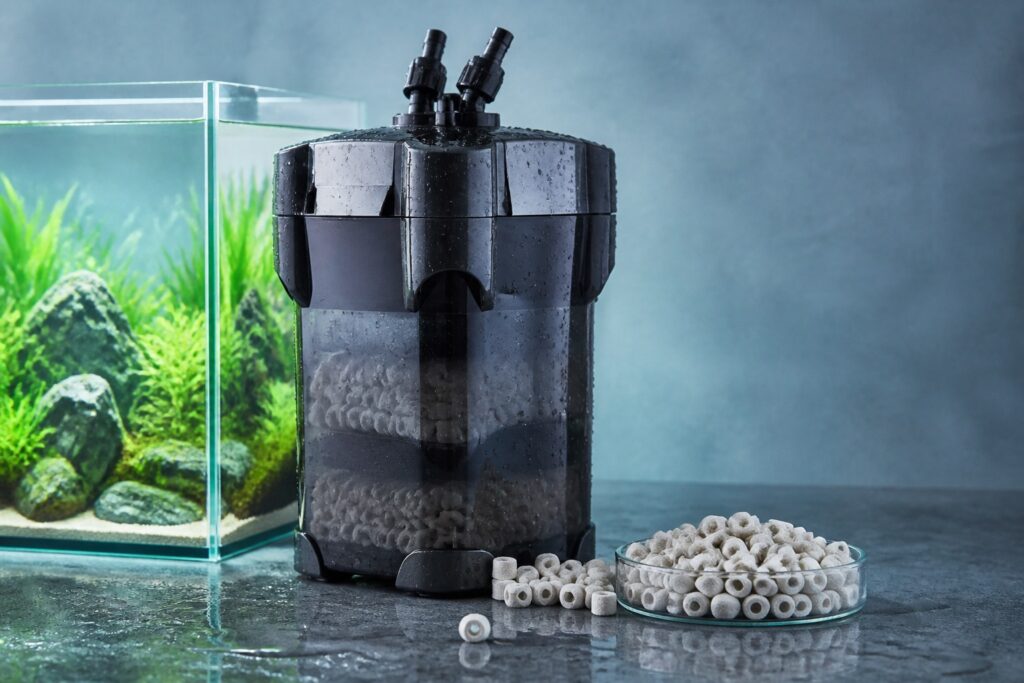
Use a filtration system to stabilize water parameters
The filtration system is considered the most effective in stabilizing water sources. There are several types of filters such as mechanical filters, coarse filters, biological filters, and recirculating filters. Depending on the conditions and scale of the aquascape, you can apply them accordingly.
The rearing water environment often fluctuates and needs intervention to reduce harm and stabilize the environment. To help your beloved fish always swim happily, stay healthy, and display vibrant colors, it is essential to pay attention to regular water treatment.
Above are some characteristics of the rearing water for ornamental fish that can affect their growth and development. Be sure to note the important considerations to take good care of your beloved fish and have a truly vibrant aquascape!
Trương Hoàng Mỹ Uyên