Houseplant species guide
Spider Plant Care & Propagation (Chlorophytum comosum)
Indoor plant
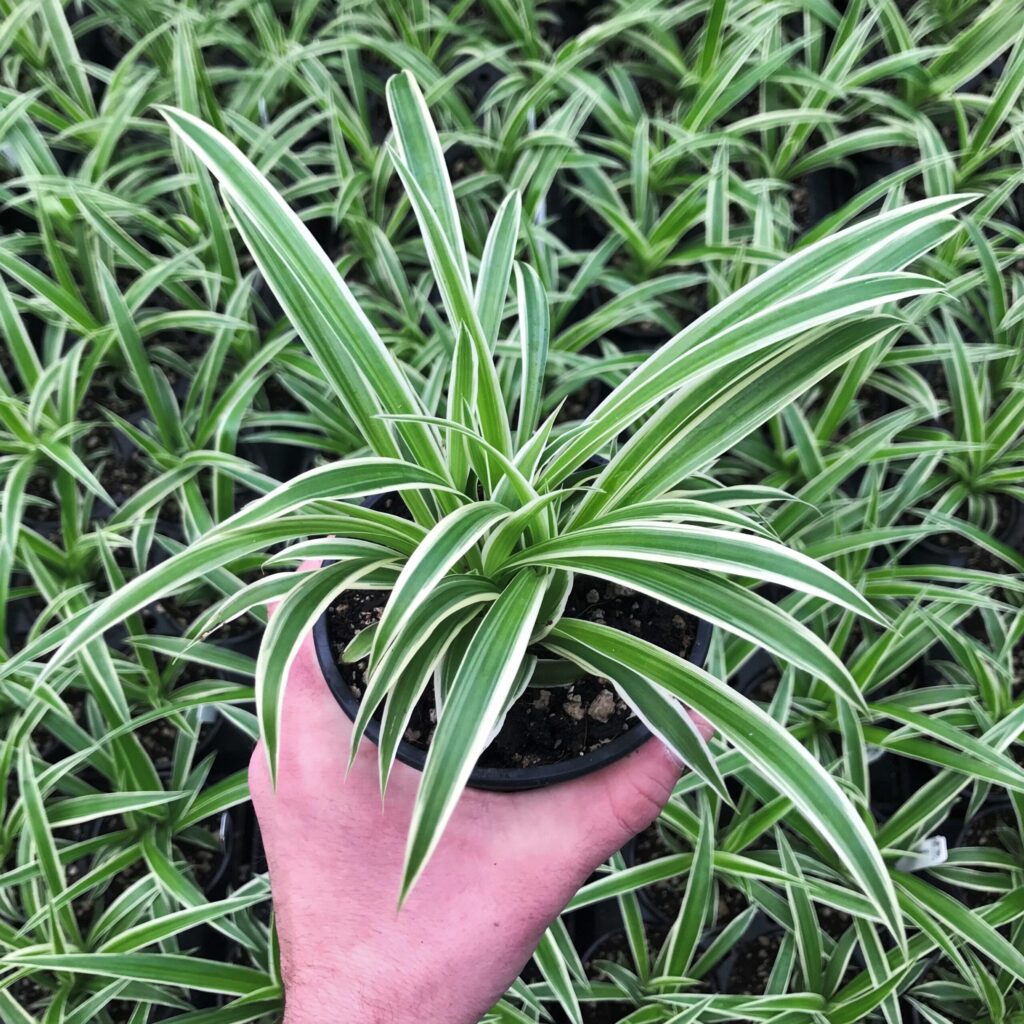
Chlorophytum comosum is the classic hanging-basket plant with arching leaves and baby plantlets — forgiving if you give it drainage and skip fluoride-heavy water when tips brown.
- Beginner
- Propagates pups
- Pet-safer
- Bright indirect
Quick facts
| Scientific name | Chlorophytum comosum (spider plant / hen-and-chicks) |
|---|---|
| Light | Bright indirect; soft morning sun OK |
| Water | When top ⅓ is dry; even moisture, not soggy |
| Soil | All-purpose + perlite; avoid waterlogged peat |
| Humidity | Average home; higher humidity reduces tip burn |
| Toxicity | Generally considered non-toxic to cats/dogs (ASPCA) |
| Growth | Clumping + hanging plantlets (pups) |
| Difficulty | Beginner |
Overview
Spider plants fail when they sit in a decorative pot with no drainage or get weekly fluoride-heavy tap water that scorches tips. They are not a dark-corner miracle — leaves pale and stretch without a bright window.
Still choosing a first plant? See what houseplant to get first and the under-$50 setup. Yellow or limp leaves: yellow leaves, overwatering signs, and drooping triage. Want a trailing aroid instead? Pothos and philodendron share hanging-basket habits with different toxicity.
Care steps
-
Step 1
Pot with a hole + airy mix
Lift the nursery pot to water, or use terracotta. Blend all-purpose soil with 30% perlite. Empty the saucer after 15 minutes.
-
Step 2
Water by feel, not by calendar
Finger or meter into the root ball. Water thoroughly when the top third is dry. Winter often means less often.
-
Step 3
Bright indirect light; rotate weekly
East window or a few feet from south/west. Pale, floppy leaves usually mean more light — not more water.
-
Step 4
Root the pups when they have nubs
Snip plantlets with tiny root nodes. Root in water or moist moss 1–3 weeks, then pot up. Leave some pups on the mother for the classic look.
-
Step 5
Flush monthly if tips brown
Run water through the pot to leach salts. Prefer filtered/rain water if your tap is hard or fluoridated.
Common problems
Brown crispy tips
Why: Fluoride/chlorine, dry air, or salt buildup.
Fix: Flush; filtered water; raise humidity slightly; don’t keep soil bone-dry.
Pale, stretched leaves
Why: Too little light.
Fix: Move closer to a window or add a grow light. Don’t compensate with daily water.
Mushy crown / yellow base
Why: Chronic wet peat.
Fix: Unpot; trim rot; fresh airy mix. See <a href="{EN['rootrot']}">root rot</a>.
No pups
Why: Young plant, low light, or too little maturity.
Fix: Bright light + time. Fertilise lightly in spring–summer only.
Companions & placement
- With pothos/philodendron: same hanging bright spot — compare pothos and philodendron.
- Pets: one of the safer floor plants vs oxalate aroids — still discourage chewing.
- Avoid: sealed cachepots, dark bathrooms as “humidity rooms” with no light, and ice-cube watering myths.
Gear for this species
Beginner indoor plants under $50 — Nursery spider + pot with hole + perlite mix + meter
FAQ
How often should I water a spider plant?
When the top third of the mix is dry — often every 7–14 days in bright rooms. Less in winter.
Are spider plants safe for cats?
Generally listed as non-toxic, but chewing any plant can upset a stomach. Hang if your cat is a grazer.
Why are spider plant tips brown?
Usually water quality (fluoride/salts) or uneven moisture. Flush the pot and try filtered water.
How do I propagate spider plant babies?
Cut pups with root nubs, root in water or moss, then pot into airy mix.
Do spider plants need fertilizer?
Light feed in spring–summer at half strength. Skip if tips are burning or roots are stressed.
Can spider plants live in low light?
They survive, but look sparse and stop making pups. Aim for bright indirect.
Aqua Plants Hub Editorial