For aquascaping enthusiasts, the bee shrimp is a type of shrimp that many people want to own for their aquarium. It is not like the common shrimp that people usually see. This type of shrimp is quite rare, and raising and caring for them can be challenging for many. Let’s learn more about this shrimp. Through this, you will understand how to care for bee shrimp and its food in the following article.
A few facts about bee shrimp
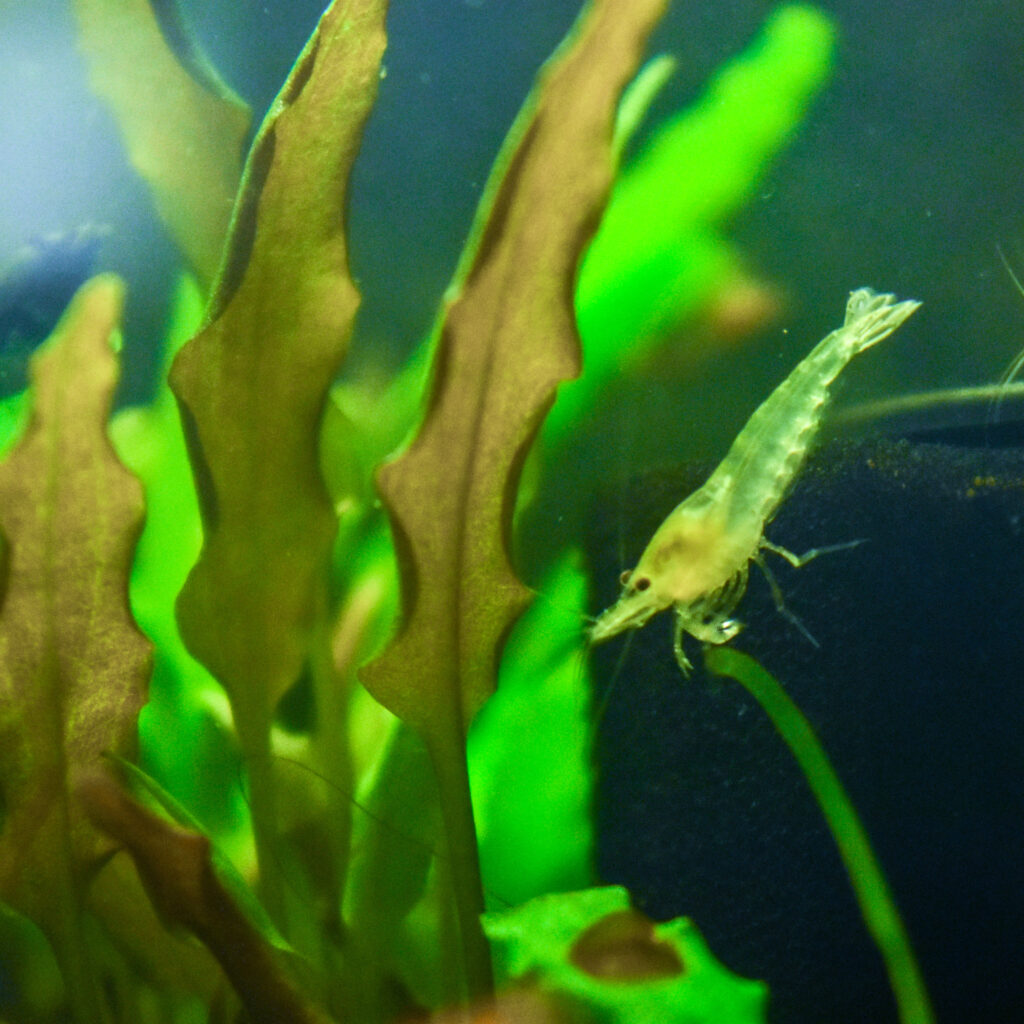
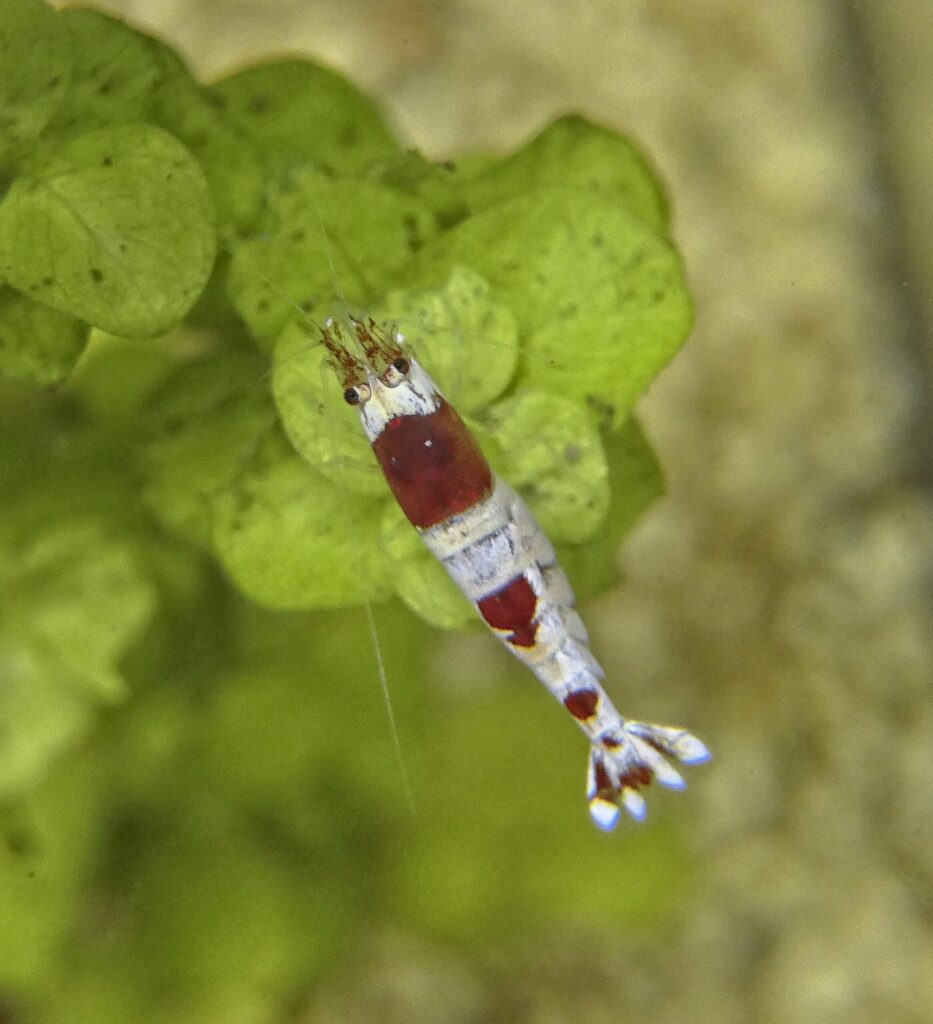
The scientific name of the bee shrimp is Caridina cantonensis, belonging to the family Atyidae in the genus Caridina. It is a small shrimp measuring from 2.5cm to 3cm. The bee shrimp first appeared in streams in southern China. Although this shrimp is small, its price is extremely high. The average temperature that shrimp can live in is around 21 – 23 degrees Celsius. Despite the high price, the average lifespan of bee shrimp is only about 1 – 2 years.
 Black bee shrimp
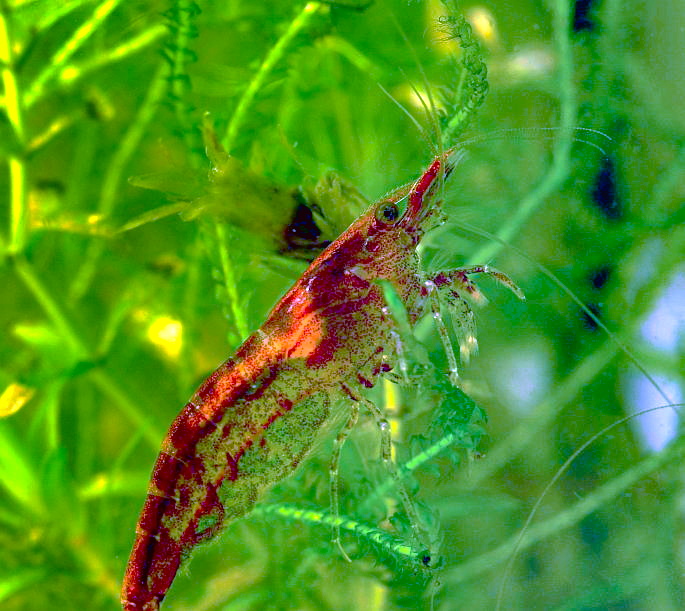
This shrimp species has a very eye-catching appearance with various colors. It is divided into several types such as: red bee shrimp, yellow bee shrimp, black bee shrimp, and Hue bee shrimp… Each type of shrimp has its own characteristics, so the price and care methods for bee shrimp will also differ.
How to care for bee shrimp
Aquarium size
Although it is a small shrimp and is often placed in tanks with a volume of about 20 liters, this is not recommended by experts if you do not have experience in shrimp care. Maintaining good water conditions is the most important step in the shrimp-raising process. Most bee shrimp are sensitive to changes in water quality. Therefore, a tank with a volume of about 40 liters is a suitable choice for raising this shrimp.
Water parameters
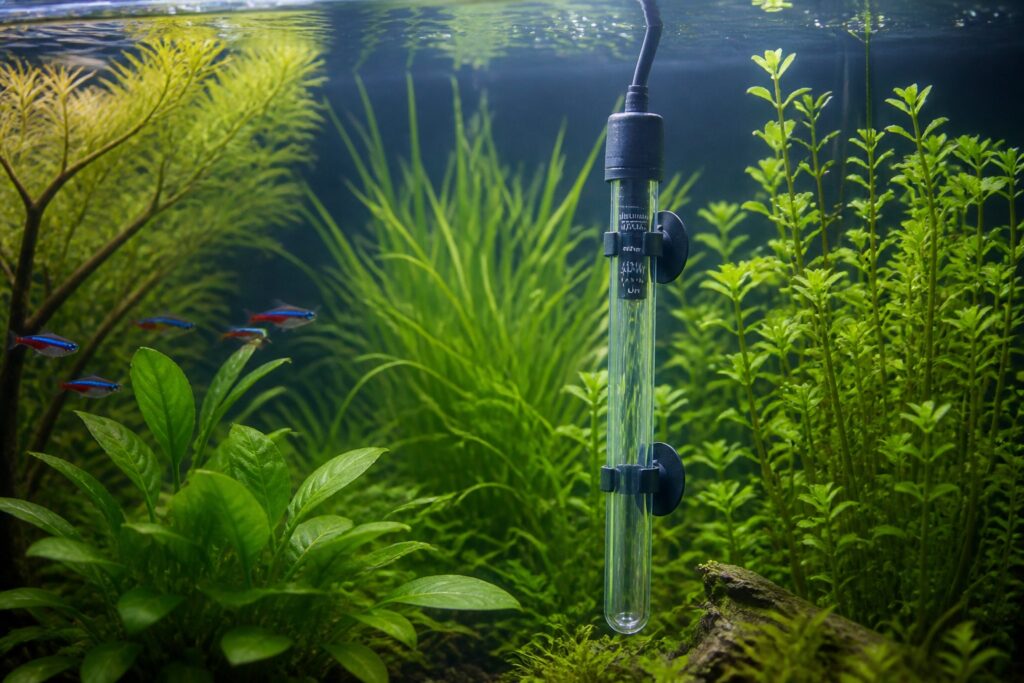
Bee shrimp thrive in environments with temperatures ranging from 23 – 25 degrees Celsius. Such temperatures positively impact the growth of the shrimp. Additionally, it helps maintain survival and reproduction rates. Regular water changes are also an important step in raising bee shrimp. Changing the water will help reduce the amount of Nitrate in the tank, allowing the shrimp to live well. If the Nitrate level is too high, it will lead to the death of your shrimp.
Bee shrimp prefer to live in slightly acidic water, with an optimal pH of around 6.0 – 6.8.
Water type and minerals
This shrimp species will thrive in pure, clean water. You should not use tap water for bee shrimp; instead, use RO/DI water. Use reverse osmosis technology to create pure, clean water. However, this type of water will not contain any nutrients for the shrimp. Therefore, you should manually adjust the water parameters. This will help you supplement the appropriate minerals for shrimp care.
Food for bee shrimp
Depending on the type of bee shrimp, the care methods will vary. However, bee shrimp are known to be omnivorous and have a relatively simple diet. In addition to providing minerals for the water, you should supplement essential nutrients with powder and special food for shrimp… This not only keeps the bee shrimp healthy but also enhances the shrimp’s shell appearance.
 Red bee shrimp
In caring for bee shrimp, you should choose or chop the food into smaller pieces for the shrimp. Additionally, pay attention to the amount of food; do not overfeed the shrimp. This can lead to excess food decomposing in the water, causing pollution. You can use types of food that are digested within an hour.
Bee shrimp are not recommended for beginners in aquascaping. However, if you are willing to invest time and effort to thoroughly understand the characteristics and how to care for bee shrimp, with the above article, aquaplantshub.com believes that your aquarium will become more vibrant. We hope this article helps you make the right choice for your aquarium.
Nguyễn Thị Thu Thảo