Nowadays, Japanese grass is beautifully and popularly grown in glass aquariums. Many people choose to plant Japanese grass for its attractive beauty. The plant not only creates a unique landscape for the aquarium but also helps increase oxygen for the fish. However, how to make the plant grow lush is also a challenging issue for many. Therefore, today, aquaplantshub.com will answer your questions right in this article.
Characteristics of aquatic Japanese grass
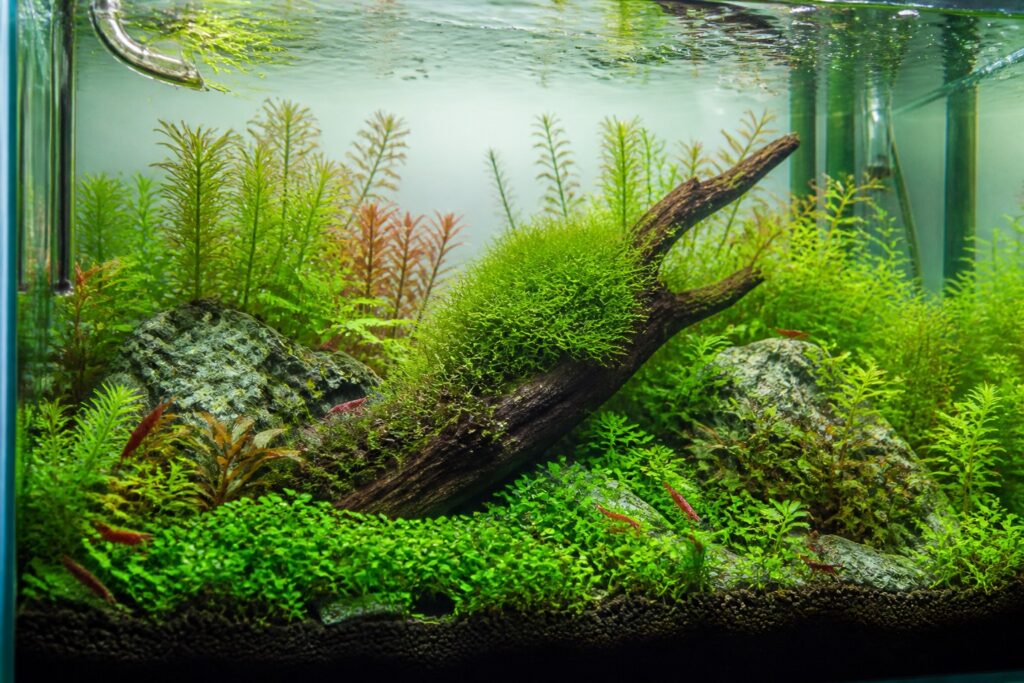
Japanese grass is a type of aquatic plant commonly found in aquascaping layouts. With a natural style, the plant mainly occupies the midground or foreground position.
Unlike other types of foreground aquatic grasses, Japanese grass will not spread out; it mainly grows side branches. Therefore, you can separate these side branches and plant them to continue propagating.

The main characteristics of the plant include:
- It is a tall-stemmed plant with dense leaves and a short stem length
- When you replant the side branches, there may be some issues. The reason is that the plant is lightweight, thus tends to float on the water surface. However, the plant roots very quickly.
- The plant provides a great contrast with small leaves in the foreground
Parameters for planting aquatic Japanese grass
Some aquarium parameters when you plant Japanese grass, you can note to take better care of the plant:
- Nutrients: Contro Soil, ADA, Gex. Additionally, you need to supplement iron and potassium during the planting process for the plant to flourish
- CO2: Very necessary
- Light intensity: High
- Aquarium pH: From 5.5 to 7.5
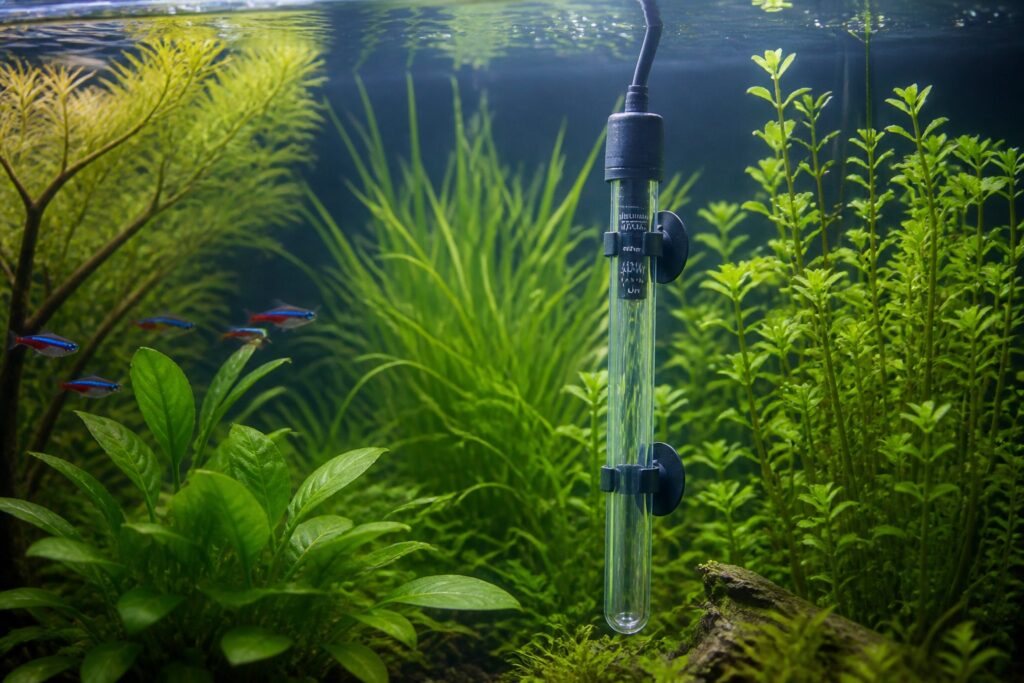
- Ideal temperature: 22-28 degrees Celsius
- Planting position: Midground area, arranging points in rocky areas
- Height: From 5-15cm
- Width: From 5-10cm
How to care for Japanese grass
Japanese grass is a small plant with a fairly fast growth rate. Therefore, it is very suitable for use in large aquariums. You just need to provide them with an ideal environment. From there, the plant will cover the empty spaces in your aquarium.

To create an ideal environment for Japanese grass to thrive, you will need to pay attention to the following factors:
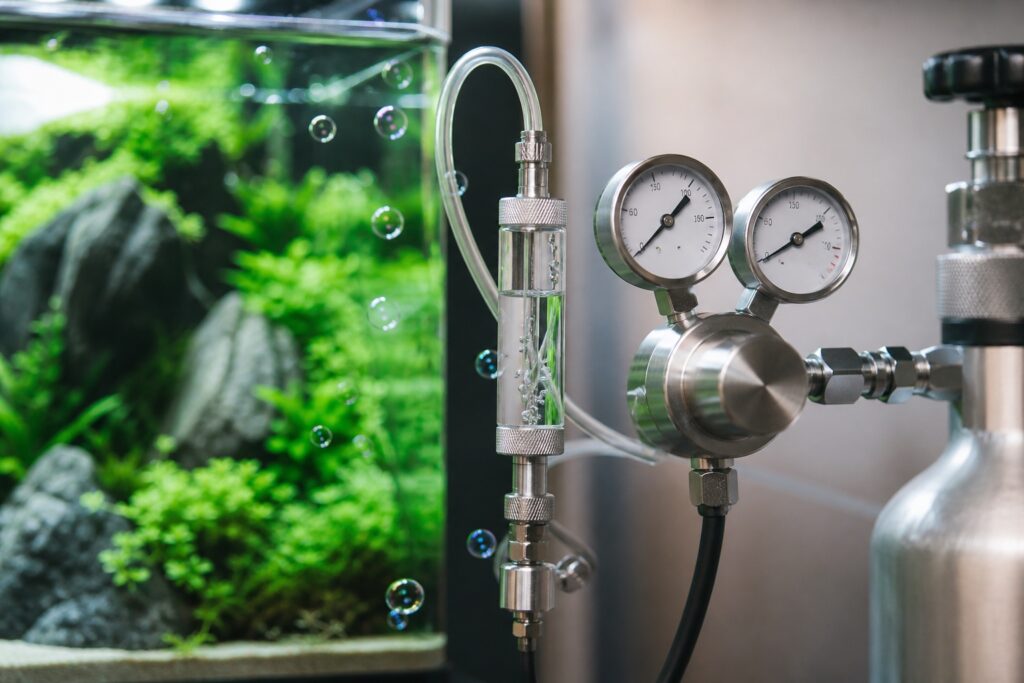
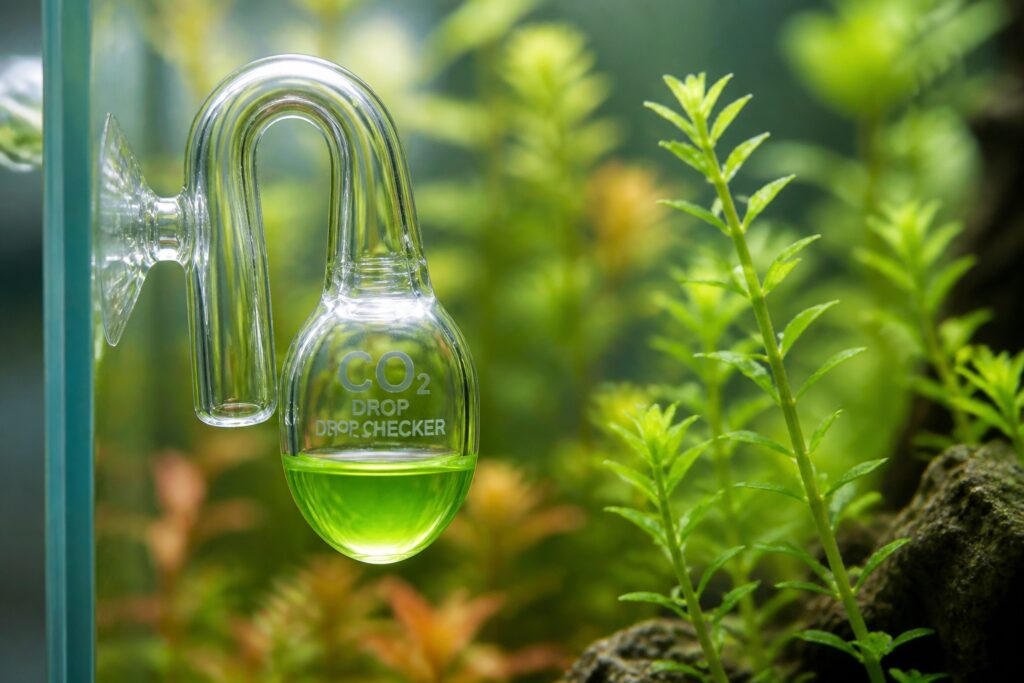
Provide enough CO2
Some aquatic plants require CO2 to grow well. Moreover, Japanese grass is no exception. To help the plant grow quickly, evenly, and beautifully, you should invest in a stable CO2 supply system for the aquarium.
Provide sufficient nutrients
Not only for Japanese grass but for all other types of aquatic plants, sufficient nutrients are a decisive factor for the plant’s growth.
Japanese grass mainly requires a fertilization regime rich in nitrate, potassium, phosphate, and other micronutrients.
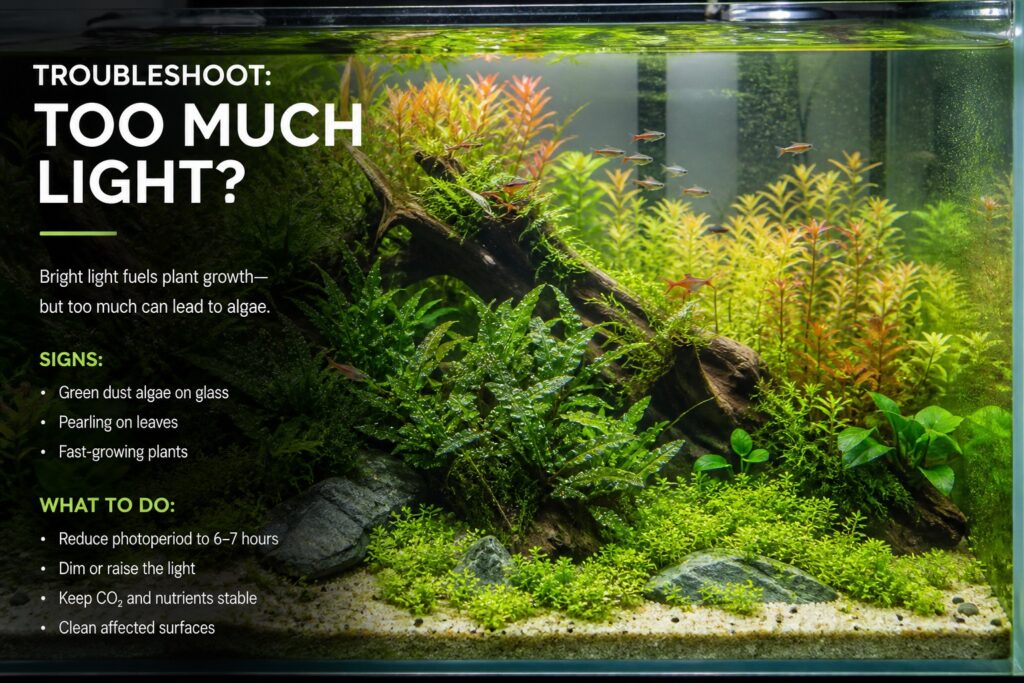
Light intensity should not be too high
Providing enough light for aquatic plants is extremely necessary. Depending on each type of plant, you will adjust the appropriate light intensity. For Japanese grass, you only need to provide from 2 to 4 watts per gallon is sufficient.
If you plant Japanese grass in areas with strong light or excessively high temperatures, this will lead to the grass quickly wilting, leaf burning, and leaf rot.
Some small notes when caring for Japanese grass
Leaves turning yellow
When aquatic Japanese grass has yellow leaves, it may be due to a lack of nutrients. The nutrients in the soil are too poor, leading to insufficient nourishment for the plant. To avoid this for all aquatic plants, not just Japanese grass, you will need to research carefully what type of aquatic plant you want to grow in the aquarium. Then, create a suitable substrate for the plant to thrive.

Japanese grass with rotting leaves
The main reason is often due to dirty water. There is also a part of the reason due to the impact of fish swimming. They hit the leaves hard, causing the leaves to become damaged and gradually decay.
If the plant only has a few leaves affected, you should cut them off. This ensures that the rotting leaves do not die and pollute the water source. If your plant is heavily affected, it is best to replace it with a new set of aquatic plants.
Some beautiful images of Japanese grass
Currently, the price of Japanese grass ranges from 20,000 to 30,000 VND. Therefore, you can find it anywhere at aquatic plant stores.
You can find it at addresses like:
Let’s admire some beautiful images of Japanese grass.


Above are some small notes when you care for aquatic Japanese grass. Therefore, aquaplantshub.com hopes to provide you with the most necessary knowledge. If you have any questions, don’t forget to leave a comment right below.
Phạm Hoàng Hương Ly