Bird troubleshoot
Bird Sneezing — Normal Dust vs Discharge & Tail Bob
Ornamental bird
An occasional dry sneeze after a bath or in a dusty room can be normal — especially in powder-down species like cockatiels. Discharge, tail bobbing, wheeze, or sneezing with fluffed feathers means an avian vet visit, not more misting spray.
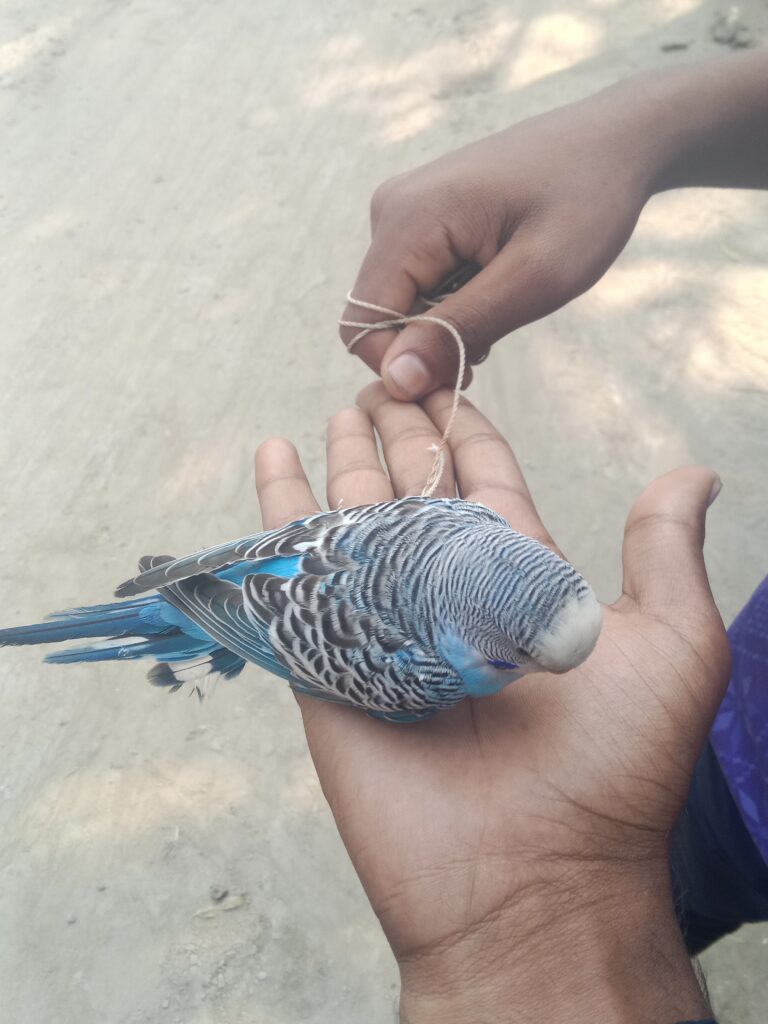
- Dry vs wet
- Air quality
- Powder-down
- Vet if tail bob
Quick facts
| Often OK | Dry sneeze after bath; clears in minutes |
|---|---|
| Vet now | Discharge, tail bob, open-mouth breathing, wheeze |
| Air quality | No Teflon, smoke, scented sprays, dusty litter |
| Powder-down | Cockatiels, greys — more dust, need filtration |
| Humidity | Very dry air irritates; shallow baths help |
| Aspergillosis risk | Moldy seed, poor ventilation, immune stress |
| Related | Fluffed bird · biting · diet |
| Disclaimer | Not veterinary advice |
Overview
Birds sneeze to clear dust and feather powder from the nares. A single dry sneeze after preening is different from wet sneezing with mucus on the cere or tail bobbing with each breath. Tail bob = air sac effort = vet same day.
Check environment first: PTFE/Teflon fumes from non-stick pans are lethal and can cause respiratory crash. Scented candles, cigarette smoke, and moldy seed are common triggers. Powder-down species like cockatiels need better air flow — not necessarily more medicine. Compare budgie care (less dust) vs conures.
Chronic sneeze with weight loss may indicate aspergillosis or bacterial sinus infection — both need avian vet diagnosis. Pair with biting troubleshoot (pain birds bite) and nutrition guide for immune support.
Triage order
-
Step 1
Classify dry vs wet sneeze
Dry, rare, active bird after bath = monitor. Wet sneeze, mucus on nostrils, or sneeze + fluffed = vet. Photograph nostrils for the clinic.
-
Step 2
Audit air quality immediately
Stop Teflon cooking near the bird. Remove scented sprays, incense, and smoke. Open ventilation. Replace moldy seed — see seed storage guide.
-
Step 3
Support powder-down species
Cockatiels and African greys produce fine dust. HEPA filtration helps; frequent baths reduce airborne powder. This is husbandry, not a cure for infection.
-
Step 4
Do not dose random antibiotics
Wrong drug delays correct treatment. Avian vet may culture or image air sacs. Bring a fecal sample if asked.
-
Step 5
Improve baseline diet and sleep
Pellet-based diet supports immunity — pellet guide. Ten to twelve hours sleep. Sick sneezing birds need warmth and vet transport, not essential oil diffusers.
Common problems
Sneezing after new non-stick pan
Why: PTFE fumes.
Fix: Move bird to fresh air immediately. Emergency vet even if bird looks 'OK' initially.
Constant sneeze + tail bob
Why: Lower respiratory effort.
Fix: Avian vet same day. Do not wait.
Moldy seed bowl in humid climate
Why: Aspergillus exposure.
Fix: Discard seed, deep-clean cage, vet if chronic.
Essential oil diffuser in bird room
Why: Volatile oils damage avian respiratory tract.
Fix: Remove diffuser permanently from bird spaces.
Species notes
- Cockatiels: powder-down — more dust sneezes; baths + filtration. Cockatiel care.
- Budgies / parrotlets: wet sneeze less common — investigate faster. Budgie · Parrotlet.
- Finches: small airways crash fast. Finch care · java sparrow.
- Setup: indoor aviary ventilation planning.
Gear for this species
Bird nutrition 101 — Respiratory birds need vet first — oils and internet meds second never
FAQ
Is it normal for birds to sneeze?
Occasional dry sneezes after bathing or dust can be normal. Frequent wet sneezes are not.
What is tail bobbing in birds?
The tail moves with each breath — a sign of respiratory effort. Vet emergency.
Can cockatiels sneeze from dust?
Yes. Powder-down produces fine dust. Baths and filtration help; discharge still needs a vet.
Does air freshener hurt birds?
Yes. Scented sprays, candles, and diffusers can damage avian lungs.
Can moldy seed cause sneezing?
Yes. Mold exposure including aspergillosis is a real risk. Discard moldy food.
Should I give my sneezing bird antibiotics?
Only what an avian vet prescribes after diagnosis.
Aqua Plants Hub Editorial