Bird product guide
Best Bird Toys (2026) — Foraging, Safety & Rotation
Ornamental bird
The best bird toys are foraging puzzles and shreddables that make the beak work — not a cage full of bells the bird ignores after day three. Rotate weekly, match size to species, and skip toys with zinc, lead, or loose fibers.
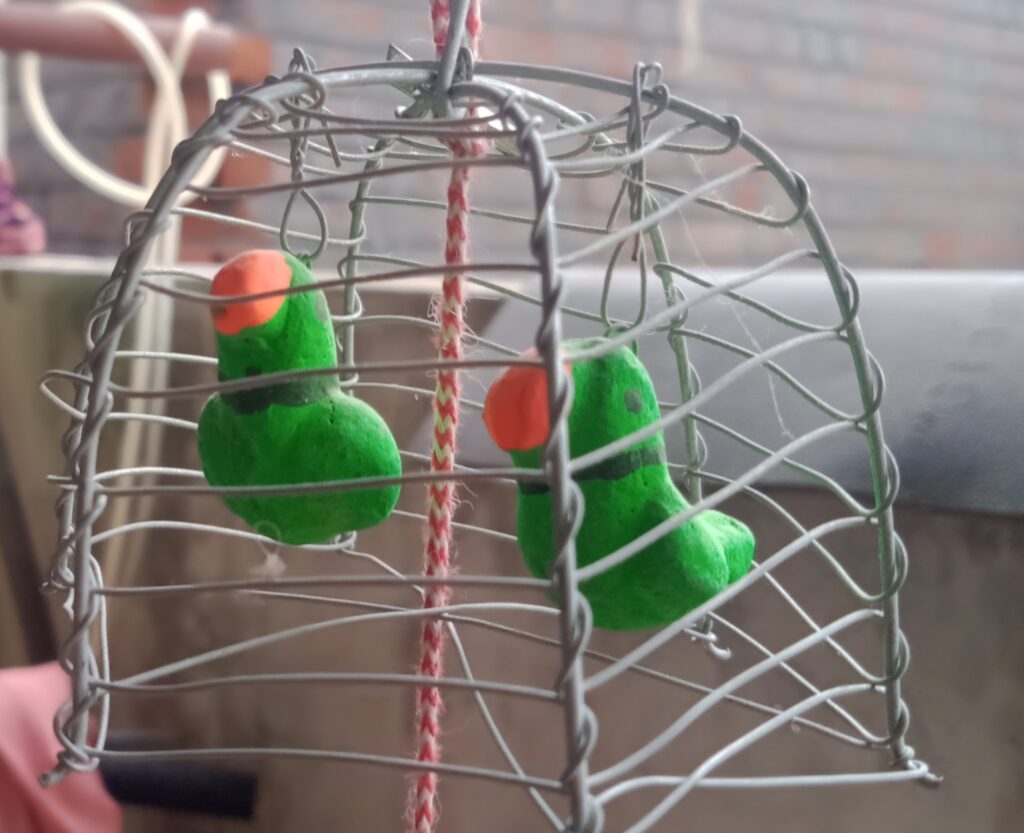
- Foraging first
- Rotate weekly
- Size-safe
- No toxic metal
Quick facts
| Priority types | Foraging, shreddable wood, paper, palm leaf |
|---|---|
| Lower priority | Single bells, mirrors, plastic trinkets |
| Rotation | 3–4 toys active; swap weekly |
| Size rule | Parts too small = swallow risk for budgies |
| Metal | Stainless hardware only; no zinc clips |
| Budget | Treat as consumables — parrots destroy wood |
| Pair with | Pellets hidden in toys during conversion |
| Species | Conures need tougher toys than finches |
Overview
Bored birds bite, scream, and pluck. Foraging toys beat bells because they replicate the work wild parrots do to eat. A budgie with one plastic bell and a full seed cup has nothing to do for 16 hours. Hide pellets in paper rolls, stuff millet in shreddable boxes, and rotate so novelty returns without buying endlessly.
Size safety matters: small clips and tiny plastic beads are swallow hazards for budgies and parrotlets. Larger sun conures need tougher wood and stainless chain. Pair toys with varied perches and pellet diet. Training tie-in: bird taming basics.
Avoid toxic metals — zinc and lead hardware from cheap imports cause poisoning. If a toy rusts or has flaking paint, throw it out. Related troubleshoot: biting · feather plucking.
Toy setup routine
-
Step 1
Stock foraging before bells
Paper rolls with pellet holes, palm shredders, cardboard boxes with hidden millet. Bells are optional background — not the main enrichment.
-
Step 2
Match toughness to species
Budgies: thin wood and paper. Cockatiels: medium shredders. Conures: hardwood blocks. Finches: millet holders and soft swings — see finch care.
-
Step 3
Rotate 3–4 toys weekly
Keep a toy box. Swap sets so the cage feels new. Destroyed toys mean success — budget replacements monthly.
-
Step 4
Inspect hardware before hanging
Stainless links only. Remove zinc key rings, rusty clips, and peeling paint. Cut frayed rope near toys.
-
Step 5
Load toys before you leave the house
A foraging toy stuffed with breakfast pellets reduces contact screaming. See biting guide for behavior tie-in.
Common problems
Bird ignores all toys
Why: Same toys 6 months + full food bowl.
Fix: Rotate. Hide food in toys. Reduce free seed.
Swallowed small plastic part
Why: Toy too small or cheap import.
Fix: Remove similar toys. Vet if lethargy or no droppings.
Zinc poisoning from clip
Why: Galvanized hardware on cheap toys.
Fix: Stainless only. Discard suspect toys.
Mirror causes aggression (lovebirds)
Why: Territorial reflection fights.
Fix: Remove mirror. Add second station toys instead.
Related guides
- Perches: best bird perches.
- Food: seed mix · pellet food · nutrition 101.
- Setup: budgie starter · indoor aviary.
- Species: green cheek · java sparrow · canary.
Gear for this species
Bird taming basics — Toys are paychecks for step-up training — not cage clutter
FAQ
What are the best toys for parrots?
Foraging puzzles, shreddable wood, and paper toys rotated weekly — not static bells.
How many toys should a budgie have?
3–4 active toys in the cage, rotated weekly. More is not better if none get destroyed.
Are mirrors safe for birds?
Controversial. Many parrots become territorial or regressive. Finches sometimes tolerate them; lovebirds often fight reflections.
How often should I replace bird toys?
When destroyed or monthly for heavy chewers. Budget wood toys as consumables.
Can toys help with screaming?
Foraging before you leave reduces boredom screaming. Toys alone do not fix sleep deficits.
What metals are toxic to birds?
Zinc and lead are common in cheap hardware. Use stainless steel connectors.
Aqua Plants Hub Editorial