Bird troubleshoot
Feather Plucking in Pet Birds — Causes & What To Do First
Ornamental bird
Feather plucking is a symptom, not a personality flaw. Rule out medical causes with an avian vet before you buy more toys. Molt looks even and the bird still eats, sings, and acts normal.
- Vet first
- Molt vs pluck
- Diet + sleep
- Foraging
Quick facts
| Normal molt | Even loss, pin feathers, bird active |
|---|---|
| Red flags | Bald patches, blood, skin sores, lethargy |
| Medical rule-outs | Mites, infection, liver, PBFD, pain, allergy |
| Common behavior drivers | Boredom, isolation, seed-only, short sleep, dry air |
| First call | Avian veterinarian — not a Facebook group |
| Then fix | Pellets, 10–12h dark, foraging, humidity/baths |
| Do not | Punish, shout, or rely on a collar alone |
| Species pages | Budgie · Cockatiel · Lovebird |
Overview
Google will tell you “he’s bored.” Sometimes yes. Sometimes it is mites, infection, organ disease, or pain. Birds hide illness until they crash. An exam and, when indicated, bloodwork/skin scrape is cheaper than guessing for months.
After medical clearance, husbandry still matters: pellet conversion (safe foods), sleep, and foraging toys. Species baselines: budgie, cockatiel, lovebird. Cockatiels and African-grey-type parrots are over-represented in behavioral pluck cases — lovebirds chew too.
This guide is a triage order, not a prescription.
Triage order
-
Step 1
Separate molt from plucking in 30 seconds
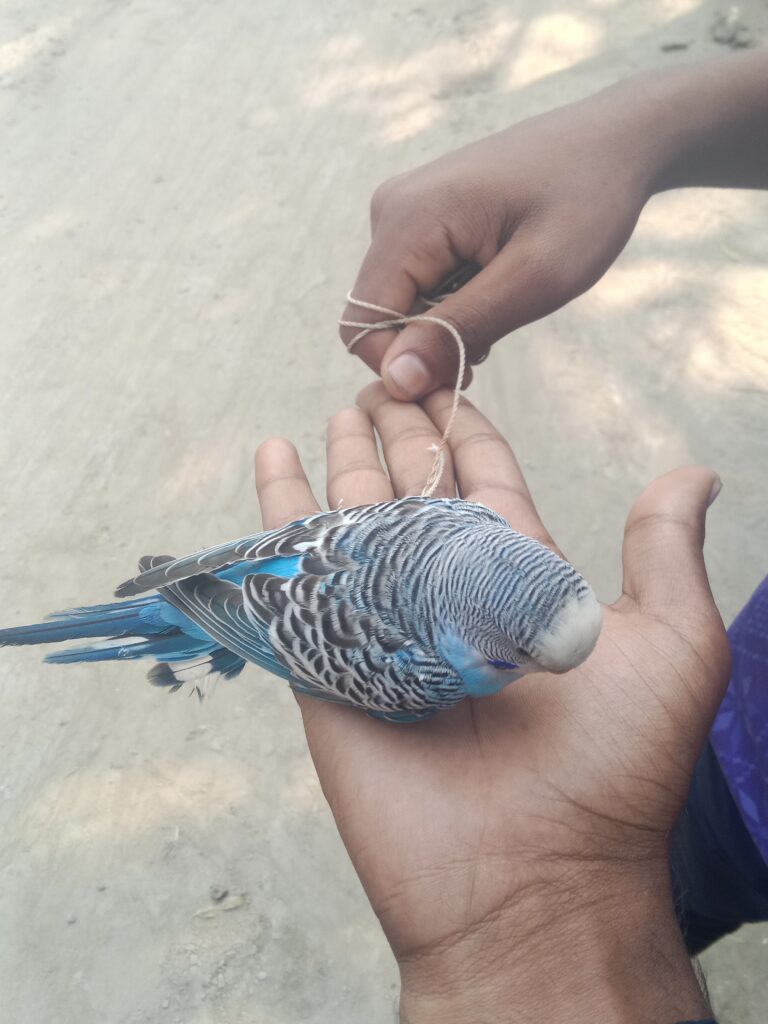
Molt: symmetrical, new pin feathers, bird eating and vocal. Plucking: ragged patches the bird can reach (chest, neck, wings), damaged shafts, possible blood. If the bird is fluffed, bottom-sitting, or not eating — skip the internet and go to a vet today.
-
Step 2
Book an avian vet before new toys
Ask for a bird-experienced clinic. Describe onset, diet, sleep hours, other pets, and any new cleaners. Follow their diagnostics. Do not start random mite sprays “just in case.”
-
Step 3
Fix the easy husbandry while you wait for the appointment
10–12 hours dark, cover, no overnight TV. Offer baths or misting. Remove scented aerosols. Start (or continue) a slow pellet conversion. Add one foraging toy, not twelve overnight.
-
Step 4
Increase flock-like work, not punishment
Foraging, shreddable wood/paper, predictable out-of-cage time. A second same-species companion can help some birds and stress others — do not add a second bird into a medical unknown. Never hit a plucking bird.
-
Step 5
Use collars only under vet guidance
A collar can stop tissue damage while skin heals. It does not treat boredom or liver disease. Plan to wean it with enrichment, not leave it forever.
Common problems
Chest bald but head perfect
Why: The bird can reach the chest; head feathers often remain. Can still be medical or behavioral.
Fix: Vet first. Then diet, sleep, foraging. Document with weekly photos.
Both birds in a pair look moth-eaten
Why: Possible over-preening, mites, or shared diet/air problem.
Fix: Vet both. Quarantine if parasites suspected. Check bar spacing and protein/calcium.
Plucking started after a move or new work schedule
Why: Stress + lost routine.
Fix: Restore sleep and foraging first. Vet if skin is open. Slow, boring consistency beats constant new cages.
Blood feathers broken during a night fright
Why: Not the same as chronic plucking, but looks scary.
Fix: Styptic if trained; vet if bleeding persists. Fix night-fright setup (dim light, three-side cover).
When a second bird helps — and when it does not
- A companion can reduce isolation plucking in a healthy bird with a large cage.
- Never add a second bird to “distract” an undiagnosed sick bird — you may spread disease.
- Match species: see first-bird matrix. Lovebirds can injure smaller cage-mates.
Gear for this species
What bird should I get first? — Prevent plucking by choosing a species whose social needs you can actually meet
FAQ
Is feather plucking always behavioral?
No. Treat it as medical until a vet says otherwise.
How can I tell molt from plucking?
Molt is even with pin feathers and a normal bird. Plucking is patchy, often on reachable areas, sometimes with skin damage.
Can a bad diet cause plucking?
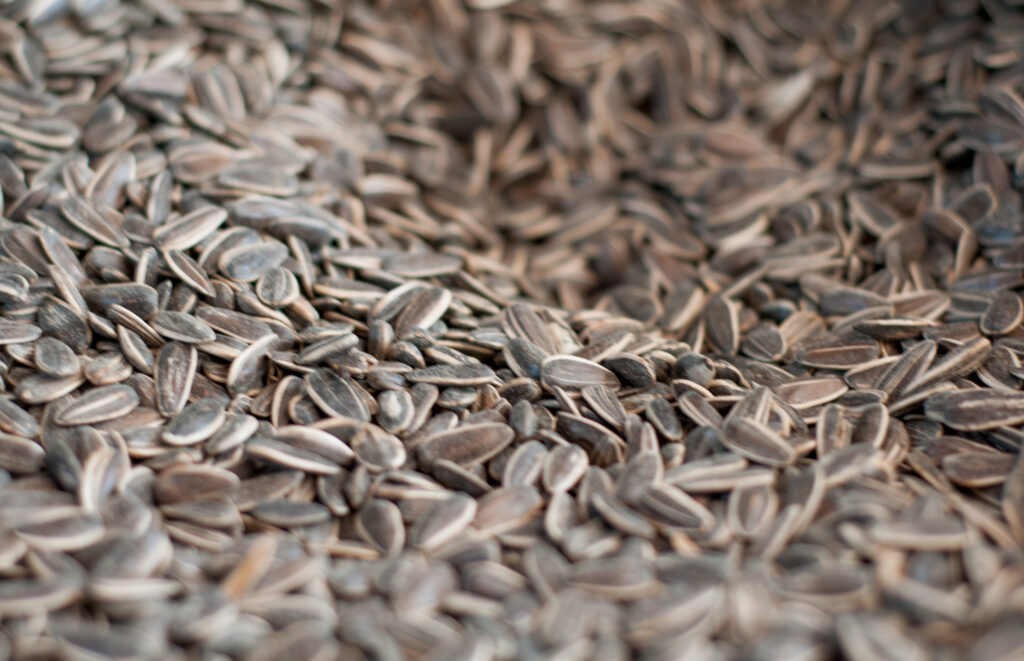
Seed-only diets contribute to poor skin/feather quality and sometimes secondary issues. Fix diet after or with the vet workup.
Should I buy a cone/collar online?
Only if your vet recommends it as part of a plan. A collar alone is not treatment.
Will a second bird stop plucking?
Sometimes, if isolation was the driver and both birds are healthy. It can also add stress or spread disease. Vet first.
Do cockatiels pluck more than budgies?
Cockatiels (and many larger parrots) show up often in behavioral pluck cases. Any species can pluck. Lovebirds often chew feathers too.
Aqua Plants Hub Editorial