Bird species guide
Budgerigar (Budgie) Care Guide — Cage, Diet & Taming
Ornamental bird
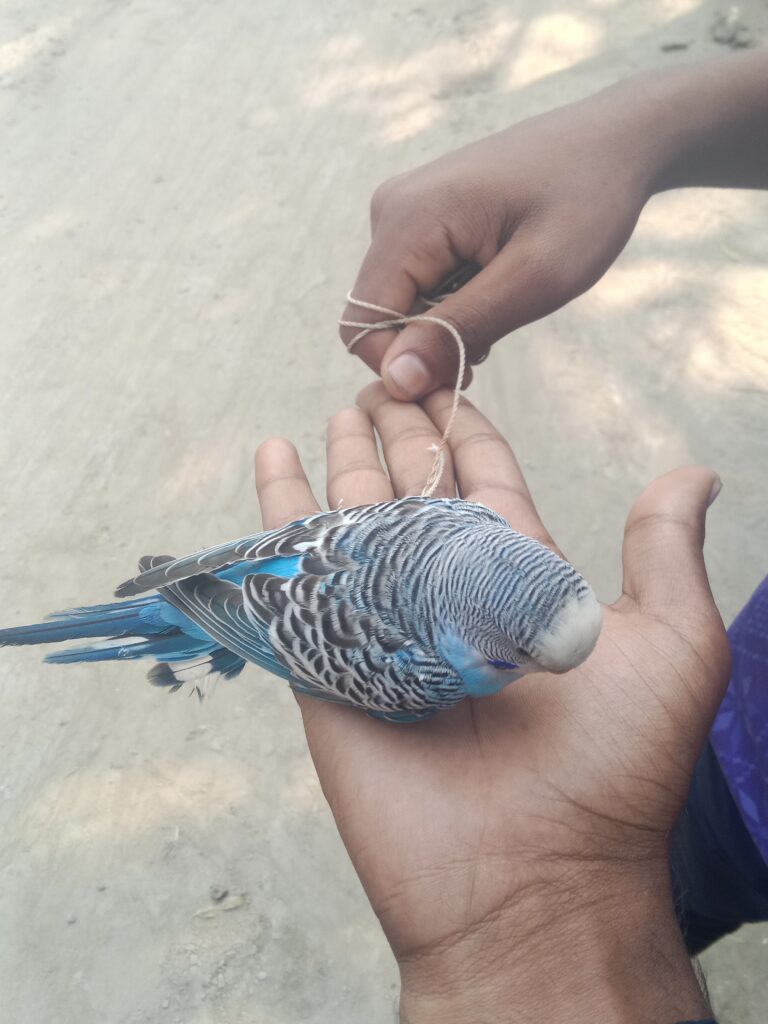
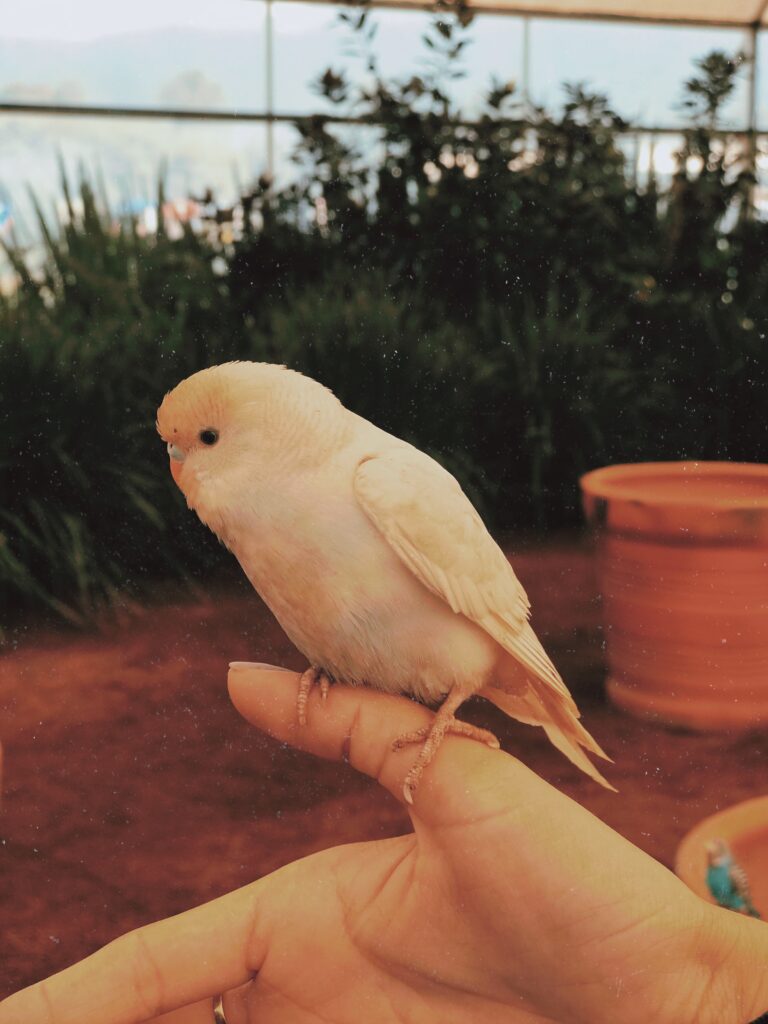
Budgerigars (Melopsittacus undulatus) are the most common first pet bird. They thrive with a wide cage, a pellet-based diet, daily out-of-cage time, and a consistent sleep schedule — not a seed-only cup in a tiny round cage.
- Beginner bird
- Vocal
- 10–15 year lifespan
- 1/2" bar spacing
Quick facts
| Scientific name | Melopsittacus undulatus |
|---|---|
| Adult size | ~18 cm (7 in); 30–40 g |
| Lifespan | 10–15 years with good care |
| Cage minimum | Wide flight cage; ≥18 in / 45 cm width; 1/2" bar spacing |
| Diet | Pellets staple + veg; seed as treat |
| Sleep | 10–12 hours dark, quiet night |
| Noise | Chirps / chatter — apartment-possible, not silent |
| Difficulty | Beginner — if diet and cage are right |
Overview
Budgies are small Australian parakeets. They are social, curious, and relatively affordable — which is why so many first-time keepers start here. The failure pattern is also predictable: a too-small cage, an all-seed diet, no sleep cover, and no foraging toys.
If you are still choosing a species, read What bird should I get first. For a shopping list under $100, use the budgie starter setup. Never feed avocado, chocolate, or onion — see the bird-safe foods list.
English budgies (show type) are larger and calmer; American/pet-type budgies are lighter and more flighty. Care is the same: width over height, pellets over millet-only, and a real night.
Care steps
-
Step 1
Buy a wide cage, not a tall tower
Budgies fly horizontally. Look for at least 18 inches (45 cm) of width and 1/2 inch bar spacing so heads cannot slip through. Place the cage away from kitchens (Teflon/PTFE fumes) and drafts. A cover or dark room for 10–12 hours prevents night frights.
-
Step 2
Convert to pellets without starving
Offer a quality small-parrot pellet as the staple. Mix pellets with the old seed mix and slowly increase the pellet ratio over 2–4 weeks. Always leave some familiar food visible. Weigh weekly if you can — sudden weight loss needs a vet, not a harder conversion.
-
Step 3
Add fresh veg and a cuttlebone
Offer dark leafy greens, carrot, broccoli, and apple (no seeds) most days. Clip a cuttlebone or mineral block for calcium. Avoid salty snacks, avocado, chocolate, caffeine, and alcohol.
-
Step 4
Out-of-cage time + foraging toys
Aim for 1–2 hours of supervised free flight in a bird-safe room (windows closed, ceiling fans off, other pets out). Rotate shreddable and foraging toys weekly so the bird works for food instead of screaming for attention.
-
Step 5
Tame slowly; watch droppings and feathers
Hand-taming starts with sitting near the cage, then millet from an open palm, then a finger perch. Watery droppings for more than a day, fluffed posture, or sudden feather loss are vet signs — not a training problem. See our feather plucking guide if over-preening starts.
Common problems
Night frights / thrashing in the cage
Why: Sudden noise or light in a dark room; cage too small; no night light option.
Fix: Cover three sides; keep a dim night light if the bird startles; move the cage away from TVs and slamming doors.
Scaly face / crusty cere (possible scaly mite)
Why: Knemidokoptes mites are common in budgies; highly contagious to other birds.
Fix: Avian vet diagnosis and treatment. Quarantine new birds. Do not use over-the-counter mite sprays as a substitute for a real exam.
Obesity and fatty liver on seed-only diets
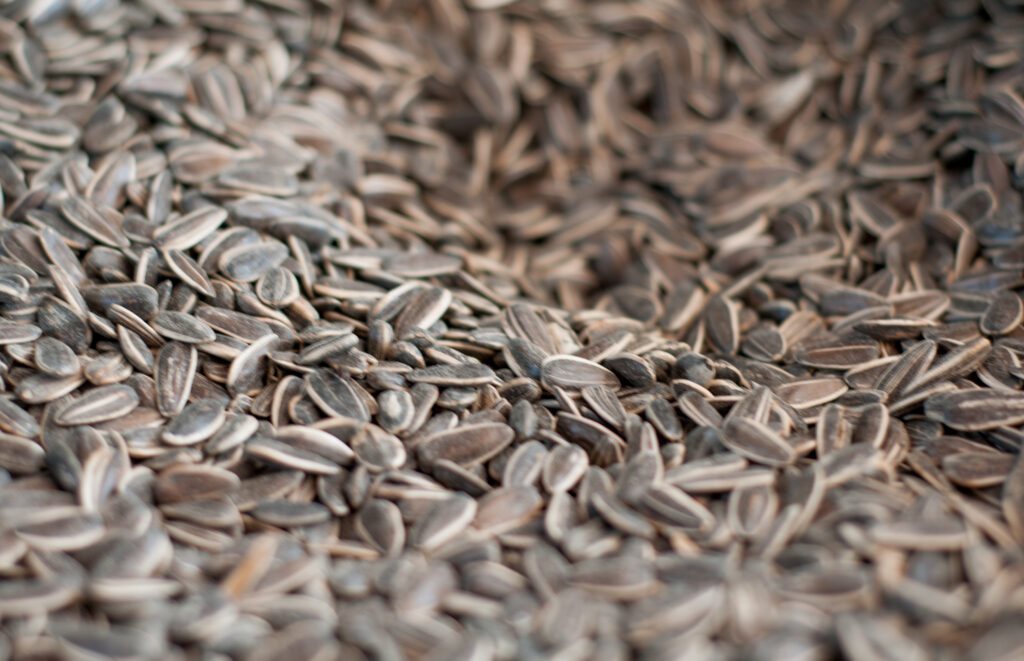
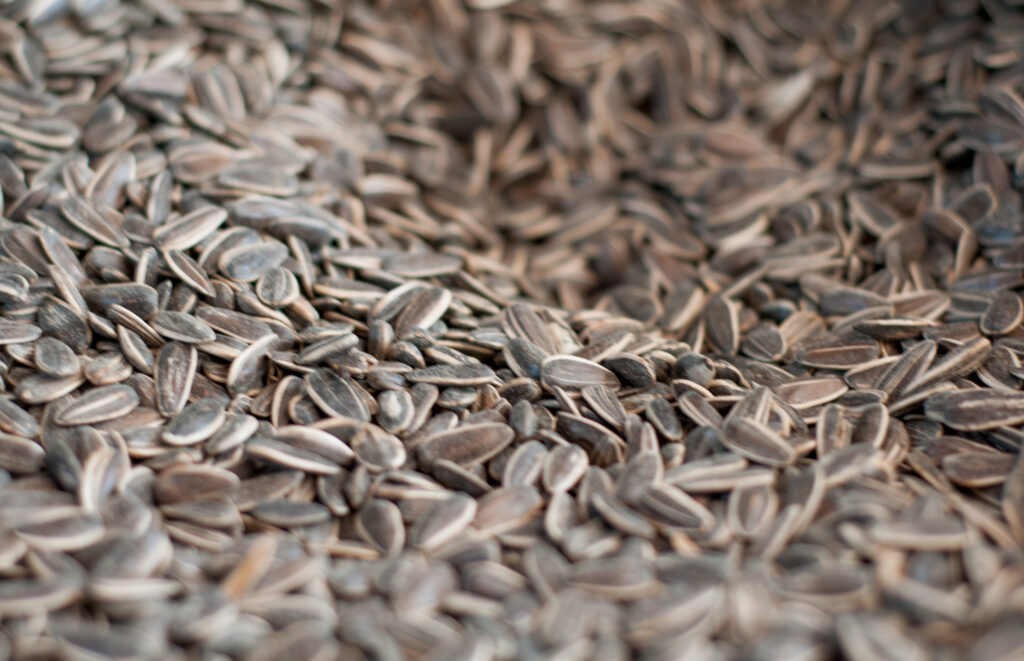
Why: Sunflower/millet mixes are calorie dense and nutrient poor as a sole diet.
Fix: Shift to pellets + veg; limit millet sprays to training rewards; encourage flight time.
Screaming when you leave the room
Why: Flock animal left alone all day with no foraging work.
Fix: Foraging toys, a second budgie if you can commit to two, predictable out-of-cage routine. Do not reward screaming with immediate return + millet.
Companions & housing
- Second budgie: often happier in a pair if you work long hours. Introduce in a large cage or adjacent cages first.
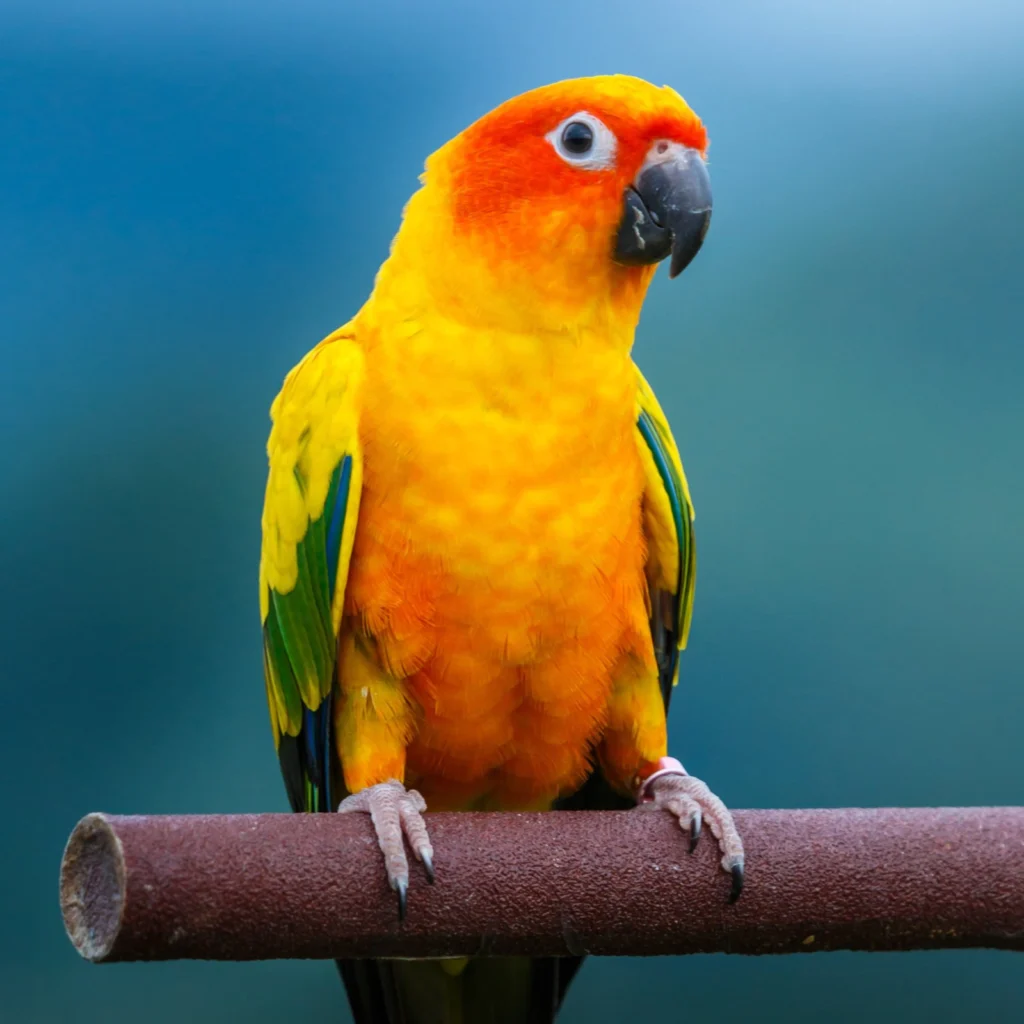
- Not with cockatiels/lovebirds in one small cage: size and beak differences cause injury. See cockatiel care and lovebird care separately.
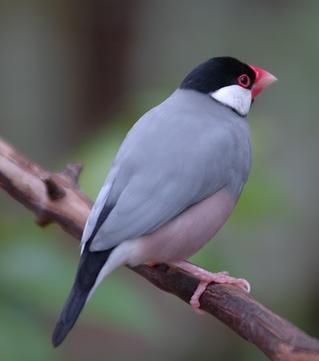
- Finches: different social style — finches are not handle-tame pets. Compare in zebra finch care.
- Avoid: cats/dogs unsupervised, ceiling fans, open windows, Teflon cookware in the same airspace.
Gear for this species
Budgie starter setup under $100 — Cage + pellets + cuttlebone + two toys — honest BOM for a first budgie
FAQ
How big should a budgie cage be?
Wider is better than taller. Aim for at least 18 inches (45 cm) wide with 1/2 inch bar spacing. Flight cages are ideal.
Can budgies eat only seed?
No. Seed-only diets cause vitamin A deficiency and fatty liver. Use pellets as the staple and seed as a treat.
Do budgies need a friend?
They are flock birds. A single budgie can thrive with daily human time; a same-species pair is better if you are away most of the day.
How long do budgies live?
Often 10–15 years with good diet and vet care. Many seed-only birds die much younger.
Why is my budgie losing feathers?
Normal molt is even and the bird is active. Patchy plucking, blood, or lethargy needs a vet. Read the feather-plucking guide.
Are budgies good apartment birds?
Yes if neighbors tolerate cheerful chatter. They are not silent. Cover the cage at night and avoid early-morning screaming by keeping a consistent sleep schedule.
Aqua Plants Hub Editorial