Bird species guide
Zebra Finch Care Guide — Colony, Diet & Housing
Ornamental bird
Zebra finches (Taeniopygia guttata) are small, social, relatively quiet songbirds. They are best as a pair or small colony in a wide cage — not as a single hand-tame parrot substitute.
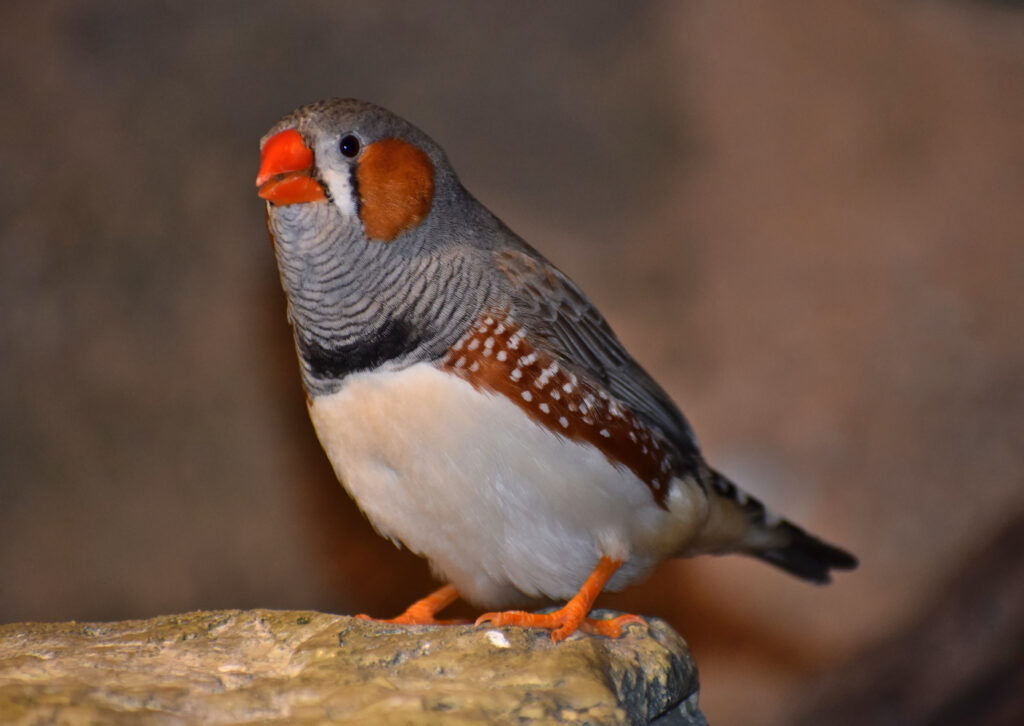
- Watch pet
- Pair or colony
- Quieter than parrots
- Beginner
Quick facts
| Scientific name | Taeniopygia guttata |
|---|---|
| Adult size | ~10 cm (4 in); 12–15 g |
| Lifespan | 5–9 years typical |
| Cage minimum | Wide flight cage; length > height; 1/4–3/8" bars |
| Social | Keep at least two; never a lone finch long-term |
| Diet | Finch seed mix + greens + grit/cuttlebone as appropriate |
| Noise | Soft beeps/songs — apartment friendly |
| Handling | Not a step-up bird |
Overview
If you want a bird that sits on your shoulder, skip finches. If you want motion, song, and lower noise than a lovebird, zebra finches are an excellent watch-pet. They must live with at least one other finch.
Compare with handle-tame options in what bird to get first. Bar spacing is tighter than budgies (1/4–3/8 inch) so heads cannot slip. Toxic human foods still apply: bird-safe foods.
Do not give a nest box unless you intend to breed. Uncontrolled breeding stresses hens (egg-binding risk) and overfills the cage.
Care steps
-
Step 1
Buy a long cage, not a tall one
Finches fly in straight lines. A 30+ inch long flight cage with 1/4–3/8 inch bar spacing beats a tall parrot cage. Horizontal space is the welfare metric.
-
Step 2
Keep a pair or small same-species group
Two is the minimum. Same-species only in small cages. Mixed finch aviaries need more length and visual barriers. Never house a single zebra finch “until I get a friend next month.”
-
Step 3
Seed mix plus greens and calcium
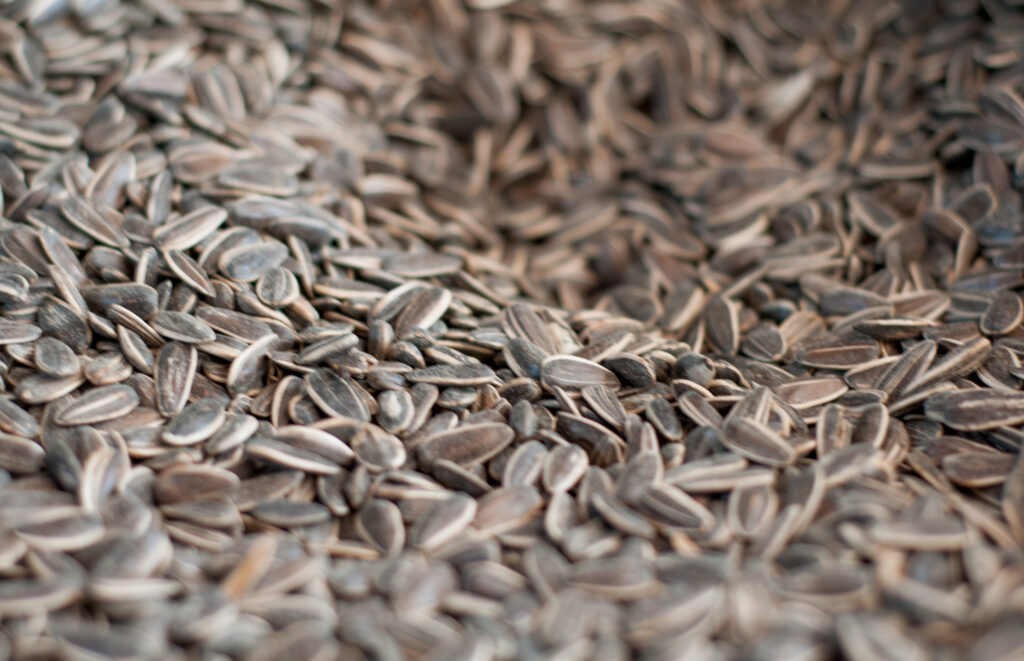
A quality finch seed mix is traditional; some keepers add finch pellets. Offer greens (chickweed, lettuce, broccoli florets) several times a week. Cuttlebone for calcium. Fresh water daily — finches dunk seed and foul cups fast.
-
Step 4
Skip the nest unless breeding on purpose
Remove huts and coconut nests if you do not breed. Extra daylight + nest + rich diet = eggs. Egg-bound hens are an emergency.
-
Step 5
Quiet routine; minimal handling
Let them settle. Catching finches for “taming” causes panic. Enjoy them as a colony. Watch for fluffed isolation — a bird sitting puffed and still at the bottom needs a vet the same day.
Common problems
Air sac mites / clicky breathing
Why: Common in some finch collections; highly contagious.
Fix: Avian vet. Quarantine new birds 30 days. Do not wait on home mite remedies.
Egg binding
Why: Nest available, young hen, low calcium, obesity.
Fix: Emergency vet. Remove nests, ensure cuttlebone, avoid overbreeding.
Balding around the head (not always plucking)
Why: Can be molt, mite, or pair over-preening.
Fix: Vet to rule out parasites. If behavioral, more space and a second feeder/perch tree.
Wet, filthy cage bottom
Why: Finches scatter seed hulls constantly.
Fix: Grate + paper changes daily; seed catchers; do not let hulls mold.
Companions & housing
- Other zebra finches: best companions. Even numbers can reduce pairing fights.
- Not with budgies/cockatiels/lovebirds in a small cage — parrots can injure or stress finches. See budgie / lovebird separately.
- Society finches: sometimes used as foster parents in breeding setups; not required for a pet pair.
Gear for this species
What bird should I get first? — Finches are the quiet watch-pet option in the first-bird comparison
FAQ
Can I keep one zebra finch?
No — they are colony birds. Keep at least two.
Do zebra finches talk or step up?
No. They are watch-and-listen pets, not hand-tame parrots.
What cage size do zebra finches need?
A long flight cage (often 30 inches / 75 cm or more in length) with 1/4–3/8 inch bar spacing.
Are zebra finches quiet?
Relative to parrots, yes. You will still hear beeps and songs during the day.
Should I give zebra finches a nest?
Only if you intend to breed and can handle chicks and hen health. Otherwise omit nests.
How long do zebra finches live?
Often 5–9 years. Good diet and no overbreeding help.
Aqua Plants Hub Editorial