Bird species guide
Java Sparrow Care Guide — Flock Birds, Flight Cage & Seed Diet
Ornamental bird
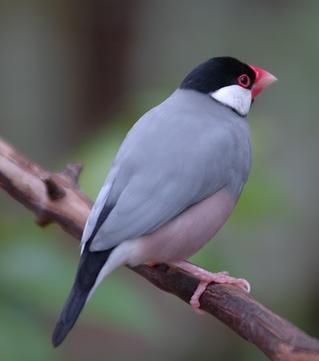
Java sparrows (Lonchura oryzivora) are finch/munia birds from Asia — social, seed-eating, and visually striking. They need a wide flight cage, quality seed mix, and flock or pair housing — not daily hand-taming like a parrot.
- Flock finch
- Watch bird
- 5–10 year lifespan
- Quiet soft calls
Quick facts
| Scientific name | Lonchura oryzivora |
|---|---|
| Adult size | ~14 cm (5.5 in); 20–25 g |
| Lifespan | 5–10 years with good care |
| Cage minimum | Wide flight cage; ≥24 in / 60 cm width; ~3/8" bars |
| Diet | Quality finch seed + greens; cuttlebone |
| Sleep | 10–12 hours dark, quiet night |
| Noise | Quiet soft calls and chirps |
| Difficulty | Beginner flock bird — not a hand pet |
Overview
Java sparrows (also called java finches) are popular aviary birds with pink bills and sleek bodies. They thrive in small flocks or pairs in a wide flight cage. They are not parrots — do not expect shoulder time.
Compare with zebra finch care or quieter diamond dove care. First bird? Read what bird to get first. Safe foods: bird-safe list.
White and pied mutations are common. Care is identical: horizontal flight space, fresh seed, and social companions.
Care steps
-
Step 1
Wide flight cage — width over height
Minimum ~24 inches (60 cm) width for a pair; larger for a small flock. ~3/8 inch bar spacing. Horizontal flight bars help. Paper liner — avoid deep gravel hiding droppings.
-
Step 2
Quality finch seed + fresh greens
Finch seed blend as staple — not loose parrot sunflower. Offer chopped greens (kale, chickweed) and sprouted seed occasionally. Clip cuttlebone for calcium.
-
Step 3
Social housing — flock or pair
Java sparrows are flock birds. A single bird may stress. Pairs or small groups in adequate space are ideal. Introduce newcomers in adjacent cages first.
-
Step 4
Bathing and foraging enrichment
Shallow bath 2–3 times weekly. Foraging toys with millet or seed hidden in paper encourage natural behavior. Rotate toys weekly.
-
Step 5
Watch from outside — minimal grabbing
Enjoy flock movement and soft calls. Forced handling causes injury and lost condition. 10–12 hours sleep; vet if fluffed or not eating.
Common problems
Single java sparrow stressed and calling
Why: Flock bird housed alone.
Fix: Add compatible companion after quarantine, or house at least a pair. Do not use a mirror as permanent flock substitute.
Obesity on millet-heavy diet
Why: Too many millet sprays as main food.
Fix: Finch blend staple; millet as occasional treat. Wide cage encourages flight.
Egg laying issues (females)
Why: Nest stimulation, calcium lack.
Fix: Cuttlebone always; limit nest boxes unless breeding intentionally. Tail pumping = emergency vet.
Feather loss or lethargy
Why: Mites, infection, or poor diet.
Fix: Avian vet exam. Clean cage; quarantine new birds. Upgrade seed and greens.
Companions & housing
- Pair or small flock: natural java sparrow setup in a flight cage.
- Other finches: zebra finches sometimes housed together in aviaries — see zebra finch care.
- Not with parrots: budgies and lovebirds can injure small finches. Budgie · Lovebird.
- Canaries/doves: possible in large aviaries — canary · diamond dove.
Gear for this species
What bird should I get first? — Java sparrows are affordable flock birds — compare species in the first-bird guide
FAQ
Are java sparrows hand tame?
No. They are watch birds. Some may take seed from a hand with patience, but they are not parrot-style pets.
How many java sparrows should I keep?
At least a pair. Small flocks (3–5) in a large flight cage are natural and beautiful.
What cage size for java sparrows?
Minimum 24 inches (60 cm) wide for a pair — wider for a flock. Flight width matters.
How noisy are java sparrows?
Quiet — soft chirps and calls. Good apartment watch birds.
What do java sparrows eat?
Quality finch seed blend plus fresh greens. Cuttlebone for calcium. Limit millet treats.
How long do java sparrows live?
5–10 years is typical with good housing and diet.
Aqua Plants Hub Editorial