Bird species guide
Diamond Dove Care Guide — Quiet Pairs, Cage & Seed Diet
Ornamental bird
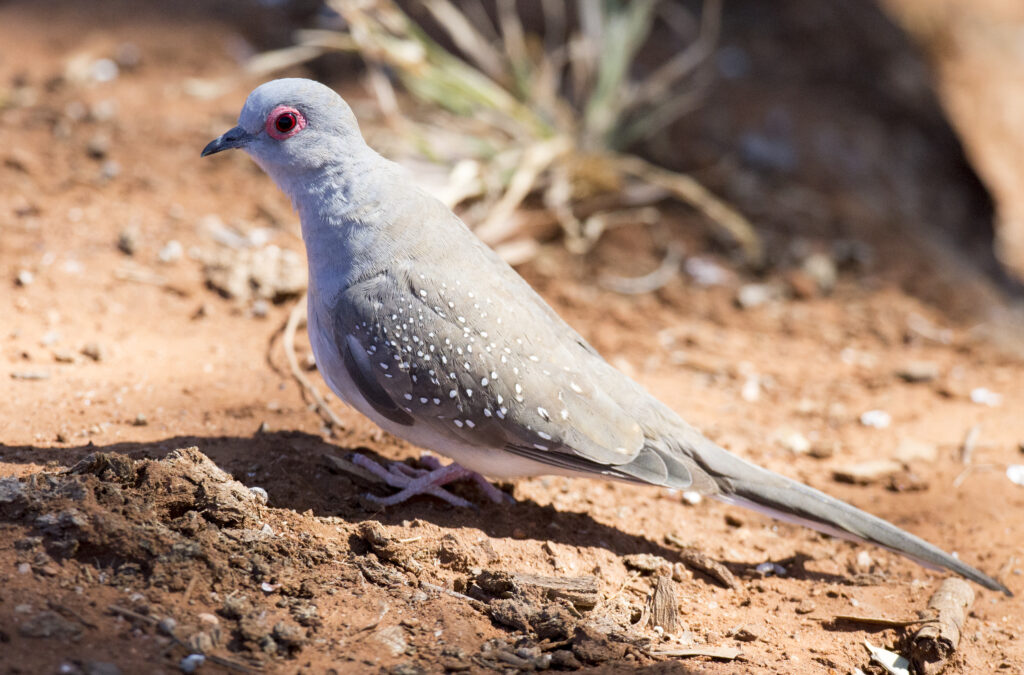
Diamond doves (Geopelia cuneata) are small Australian doves known for quiet cooing and pair bonds. They forage on the ground, need seed plus grit, wide floor space — and observation, not cuddling like a parrot.
- Quiet dove
- Pair bond
- 7–15 year lifespan
- Ground forager
Quick facts
| Scientific name | Geopelia cuneata |
|---|---|
| Adult size | ~19–21 cm (7–8 in); 30–40 g |
| Lifespan | 7–15 years with good care |
| Cage minimum | Wide floor space; ≥24 in / 60 cm width; low perches + platform |
| Diet | Quality finch/dove seed + grit; fresh greens |
| Sleep | 10–12 hours dark, quiet night |
| Noise | Soft cooing — very apartment-friendly |
| Difficulty | Beginner watch bird — pair setup |
Overview
Diamond doves are gentle, ground-oriented birds. A bonded pair will perch together, coo softly, and explore the cage floor. They are not hand pets — grabbing causes stress and broken feathers.
For louder parrot energy, see budgie care. For flock finches, compare java sparrow care. First-bird matrix: what bird to get first. Safe foods: bird-safe list.
Red-eyed and white varieties are common in pet trade. Care is the same: floor space, grit always available, and calm routine.
Care steps
-
Step 1
Prioritize floor space over height
Wide rectangular cage with a flat platform or low perches. Minimum ~24 inches (60 cm) width. Doves walk and forage — a tall budgie tower wastes space. Paper liner on the grate.
-
Step 2
Seed mix + grit always available
Finch or dove seed blend as staple. Grit in a separate dish aids digestion — do not rely on gravel liner. Small chopped greens (kale, chickweed) a few times weekly.
-
Step 3
Cuttlebone and clean water
Clip cuttlebone for calcium. Change water daily — doves dunk food and soil bowls fast. Shallow bath dish optional 1–2 times weekly.
-
Step 4
Pair bonding and introduction
Many keepers house a male-female pair. Introduce in adjacent cages first. Single doves can live alone but may call more. Do not mix with aggressive parrots in one cage.
-
Step 5
Quiet routine — minimal handling
Enjoy cooing and pair behavior from outside the cage. 10–12 hours sleep with cover if needed. Vet if fluffed, not eating, or limping.
Common problems
Dove limping or holding one foot up
Why: Injury, bumblefoot, or perch diameter issue.
Fix: Vet exam. Use varied low perches and soft platforms. Check cage floor for sharp edges.
Constant loud cooing (single male)
Why: Lonely male seeking mate or long daylight.
Fix: Consider a compatible mate after quarantine, or accept contact calls. Do not add a mirror as a fake mate long-term.
Egg laying without intent to breed
Why: Nest stimulation, long photoperiod, soft fatty diet.
Fix: Remove nest materials, shorten daylight slightly, ensure calcium via cuttlebone. Chronic laying needs vet care.
Seed-only cheap mix — poor condition
Why: Low-quality mix lacking variety.
Fix: Upgrade to finch/dove blend; add greens. Cuttlebone prevents calcium crash in laying females.
Companions & housing
- Bonded pair: classic diamond dove setup — quiet and beautiful to watch.
- Not with parrots: budgies and lovebirds can injure doves. Keep species separate. Budgie · Lovebird.
- Finches/canaries: possible in large aviaries with monitoring — see finch and canary guides.
- Avoid: cats staring at the cage, deep gravel hiding droppings, no grit dish.
Gear for this species
What bird should I get first? — Diamond doves are quiet apartment birds — compare commitment in the first-bird guide
FAQ
Are diamond doves hand tame?
Usually not. They tolerate calm presence but are not cuddle birds like parrots.
Do diamond doves need a pair?
A pair is common and natural. A single dove can live alone with enrichment but may coo more.
What cage size for diamond doves?
Wide floor space — at least 24 inches (60 cm) width. Low perches and a platform beat a tall cage.
Do diamond doves need grit?
Yes. Offer grit in a dish separate from seed. It aids digestion — especially with seed-based diet.
How noisy are diamond doves?
Very quiet — soft cooing. One of the best apartment bird options.
How long do diamond doves live?
7–15 years is typical with good diet and housing.
Aqua Plants Hub Editorial