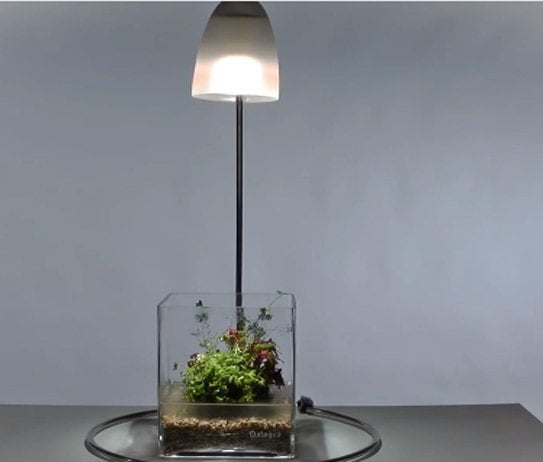
The art of designing aquascaping layouts is much more complex than the arts of bonsai or flower arranging. The proportions of size, asymmetrical ratios, methods of creating depth, perspective, and spacing are all factors to consider when creating a beautiful aquascape layout.
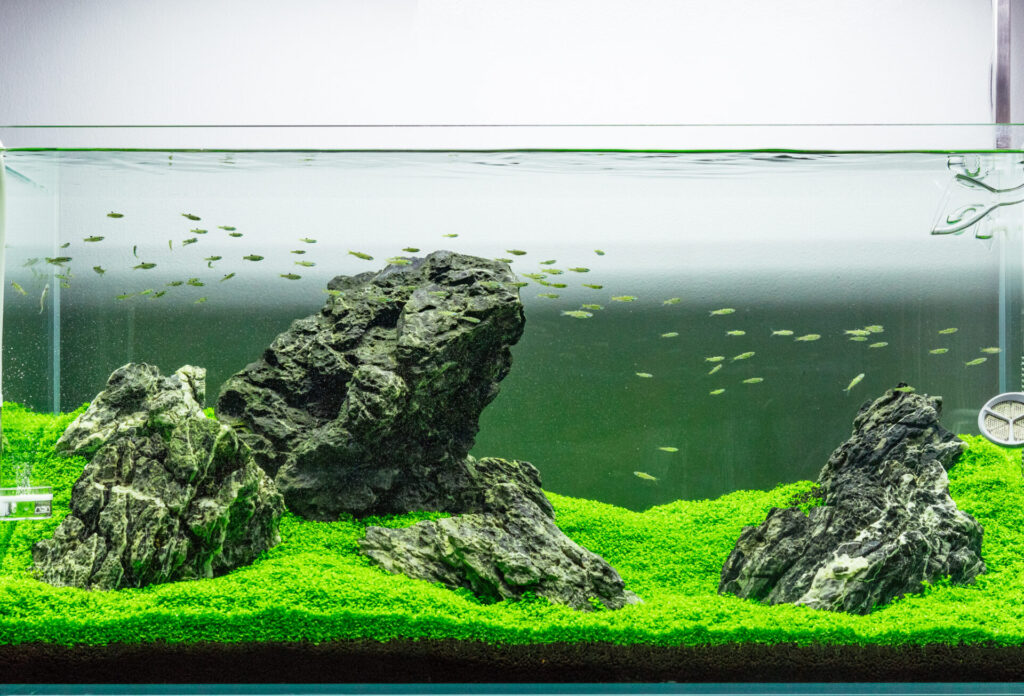
In aquascaping layouts, especially in rock layouts like Iwagumi, the rocks in the back are usually higher than those in the front when viewed directly. In this article, Aqua Plants Hub will share with you how to create a beautiful slope without ruining the layout of the aquarium.
Creating a slope for the aquarium
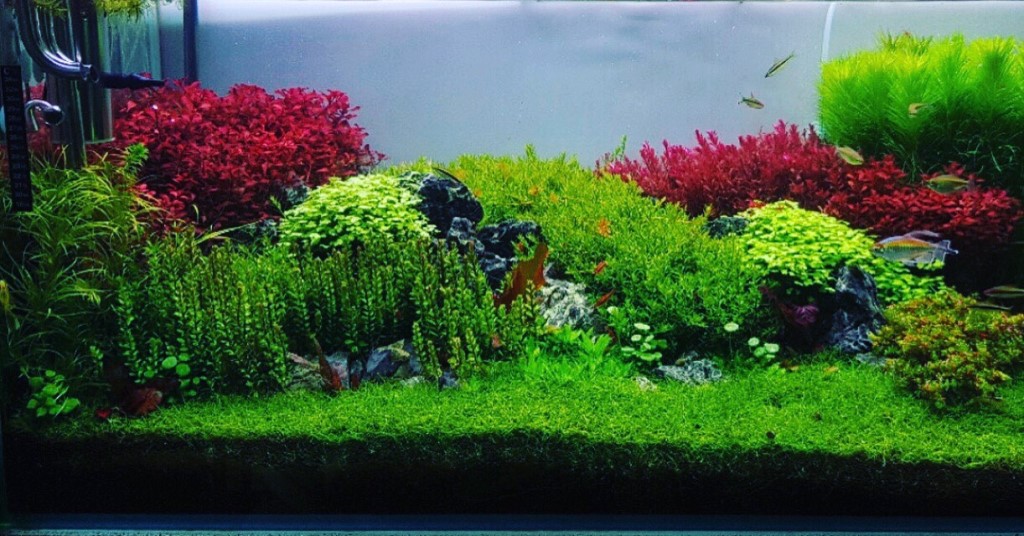
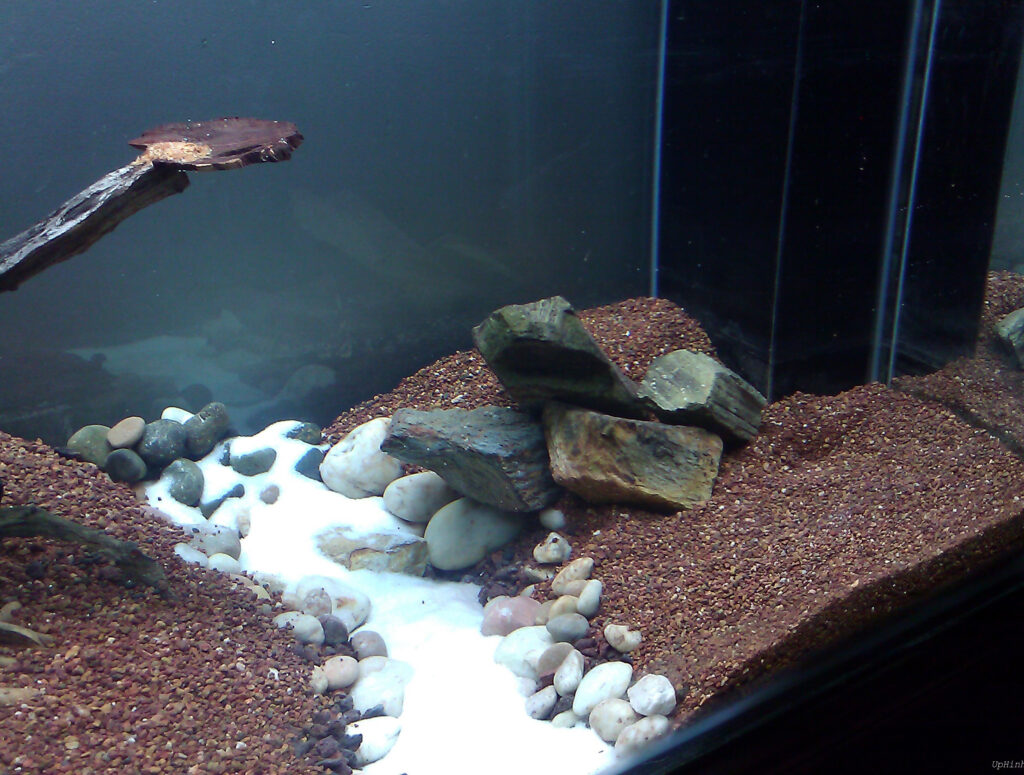
The only thing to do is to raise the substrate in the back higher. Depending on the experience of the aquarist and the aesthetics of the aquarium, we build an appropriate height for the slope. The important thing is that when looking at the uneven rise of the slope, it feels very natural and harmonious.

Note when arranging the rock layout, we need to bury the base of the rocks a little, as burying them in the substrate will help prevent the substrate from collapsing.

See more: How to make the substrate not monotonous here.
Techniques for creating depth in the aquarium
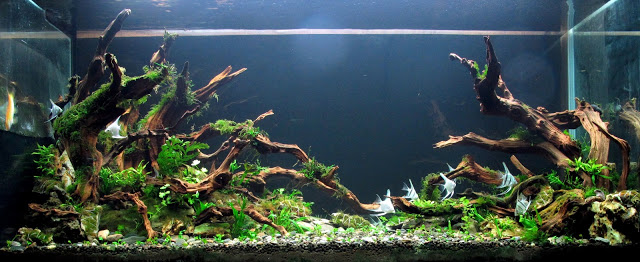
To create depth in the aquarium, the most important thing is to use low-growing plants. Because it is not necessary to use tall plants, instead, we can use tall rocks or driftwood to create a natural depth for the aquarium.
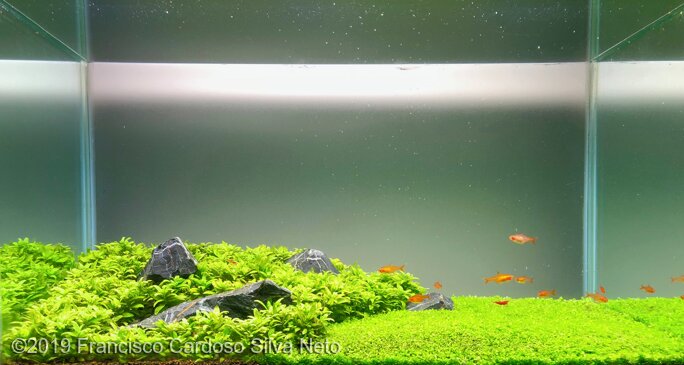
The secret is to choose various types of small-leaved plants to create details and meticulous corners in the aquarium. They should be planted in small clusters, as they will grow and form dense, lush little bushes naturally without making the layout too heavy.
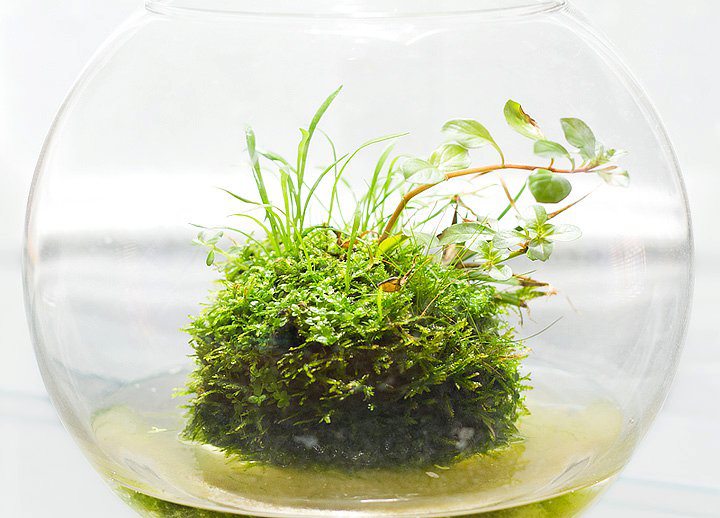
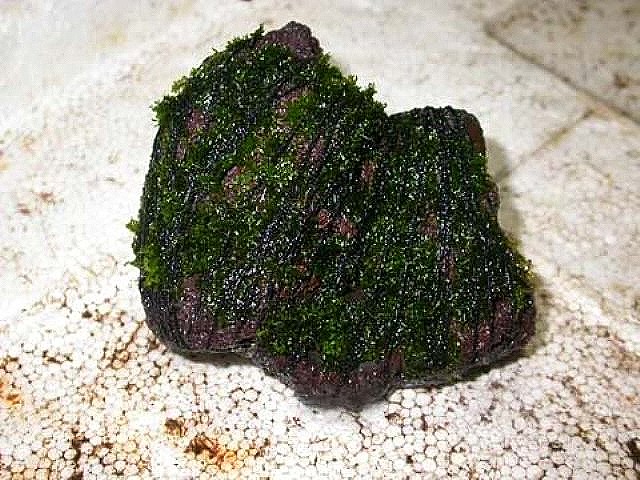
Aquatic plants like flame moss, riccia, and Mayacca are recommended due to their delicate leaf structure and coverage when they grow. You can also plant some soybean grass and Cuban pearl grass in the crevices of the rocks to enhance the beauty of the aquarium. Only one type of tall plant should be used as a backdrop if there are no driftwood and rocks for decoration.
See more: How to plant aquatic plants to fit the layout here.

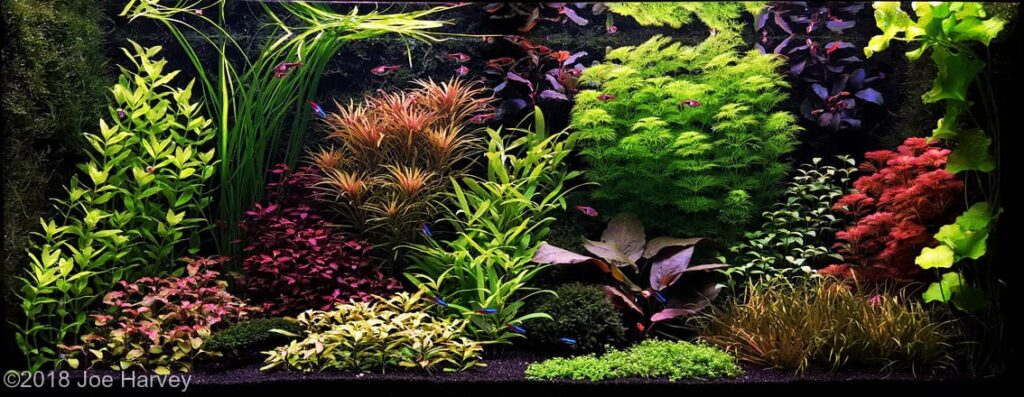
To create a layout with depth, it is advisable to create one or at most two focal points. These are usually something special that attracts the viewer’s attention, such as a pathway, a piece of driftwood, or a beautiful cluster of plants. Additionally, we can arrange driftwood on both sides to create depth. Consider choosing plants with different shades of green to showcase the richness and appeal of the natural scene and ecosystem in the aquarium.

The article above from Aqua Plants Hub has shared with you the art of creating slopes and depth for aquariums. We hope it will be very helpful for you when designing the layout of your aquarium according to your preferences.
Đào Thị Thảo Dung