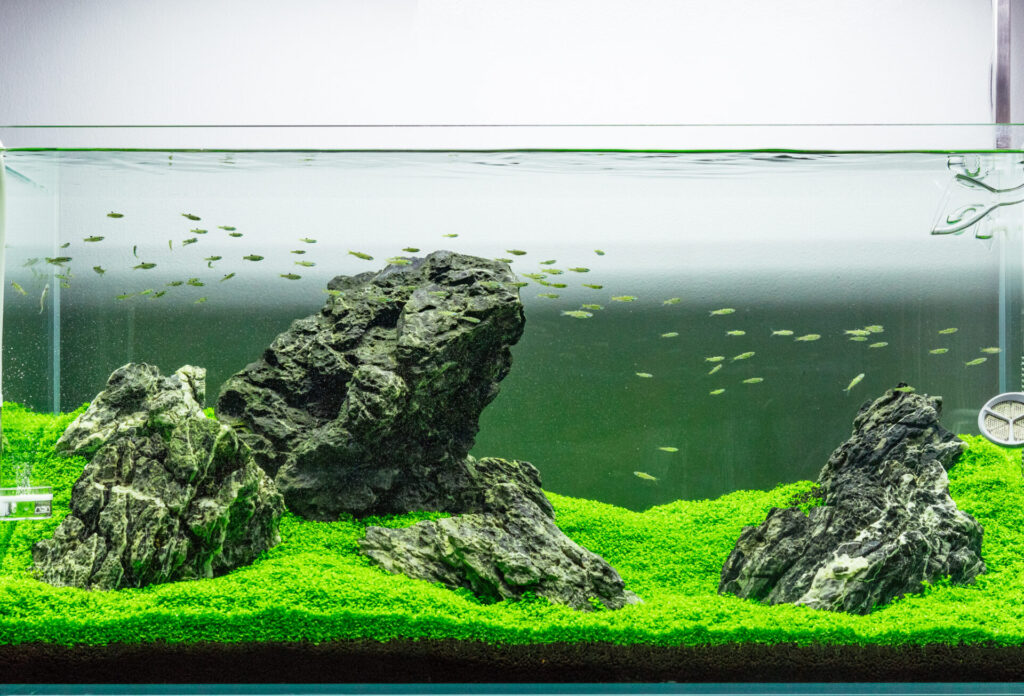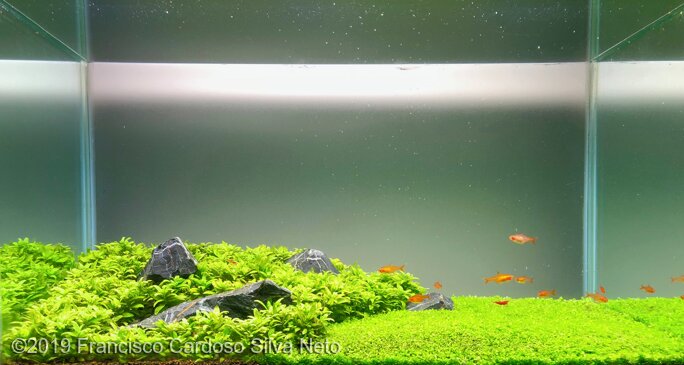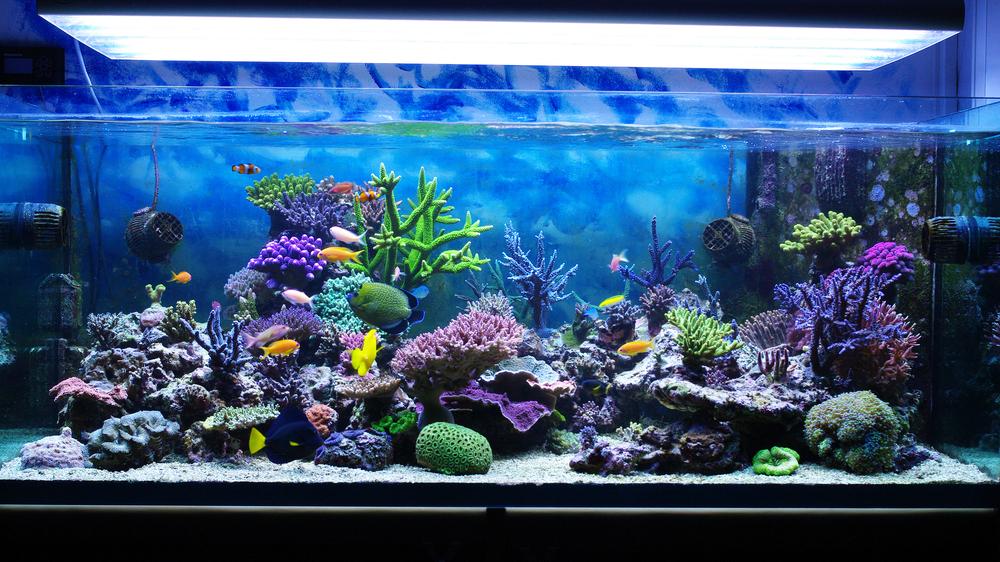
The world of aquatic life has grown rapidly and is a more popular trend today. Many new aquascaping styles appear, we often hear about the Dutch style, Iwagumi style, natural style, and now there is also a new style called Wabi Kusa.
What is Wabi Kusa style
The Wabi Kusa layout is a circular ball-shaped block of soil covered with plants growing in a trellis form, a style very similar to hydroponic plants grown in a nursery. The soil ball is placed directly in a small tank or glass filled with water and left to maintain and grow naturally.
When making this aquarium layout, the aquarium layout technique needs to be very different, in which the layout of the aquarium is beautifully planned and meticulously and carefully cared for. This Wabi Kusa style captures the free flow of nature, so it will create a beautiful and attractive aquarium. Wabi Kusa is ideal to place in a room or office because its existence will be beneficial to relieve stressful thoughts.
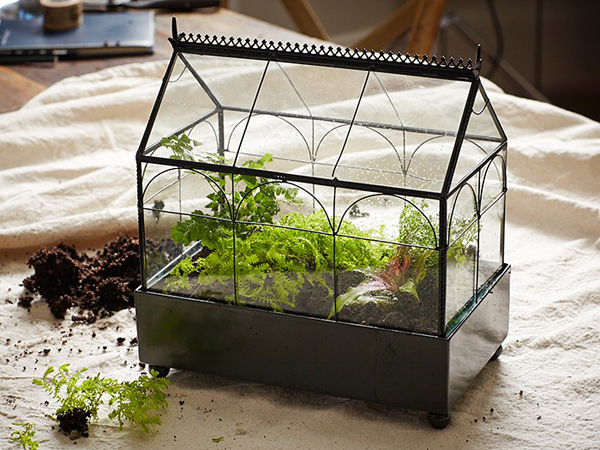
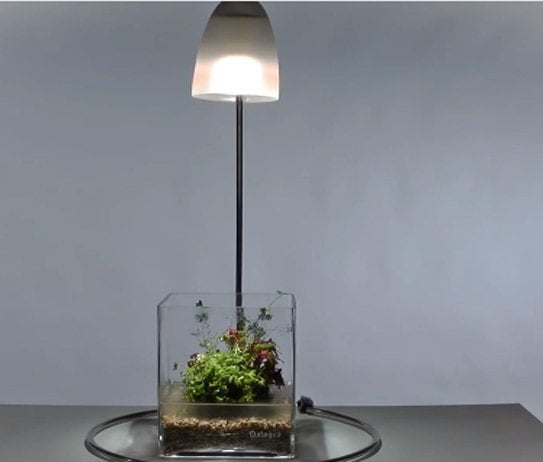
Wabi Kusa is placed in a glass box, the plant is grown and there is also a little water in it, depending on the type of plant as well as the shape of the box we are using. Then, just place your Wabi Kusa aquarium in places with lighting suitable for the plant’s growth needs.
Unlike other aquascapes, Wabi Kusa tends not to use hard materials such as rocks or driftwood). The purpose of Wabi Kusa itself is to express its free nature, not too fussy but still attractive enough to the viewer.
Create a Wabi Kusa aquarium
Tools and materials needed to prepare:
- Rubber gloves
- Land
- Small bowl (or use a cup)
- Aquatic moss
- Types of aquatic plants
- Rope and scissors
Step one: Till the soil until loose

Pour some soil mixed with water into a small bowl. Put on gloves and knead and loosen the soil until you have smooth, lump-free soil. Large, hard soil particles should be crushed until smooth. The consistency of the soil should be slightly viscous but not so wet that it becomes mushy.
Step two: Shape the soil

Use your hands to shape the soil into a large or small ball depending on the desired size. If the consistency is right, it will be round or otherwise other shapes are possible, but round balls in jars or glass jars are still the most popular.
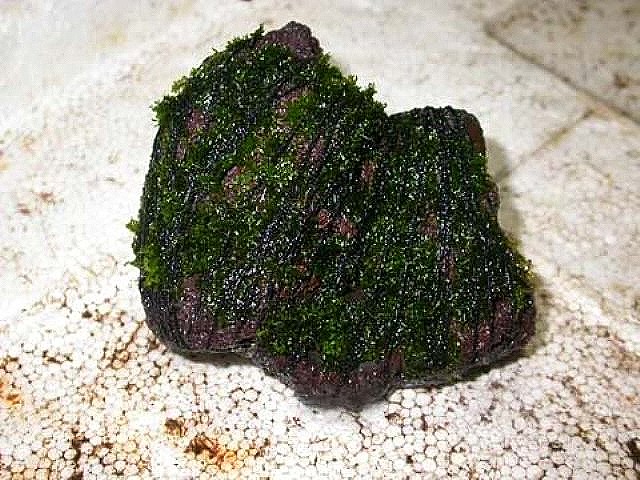
Step three: Wrap aquatic moss around

Using a rope to secure it, the round block of soil is now covered in moss. This will help the soil mass become more stable and the moss will store moisture, making it easier for the plants to maintain after they are planted. The wire should be wrapped tightly and evenly to ensure the soil block maintains its shape and sticks together.

Step four: Plant trees

The top area of the circular soil block can be planted with aquatic plants. To do that, we should use the tip of tweezers to poke a hole into the ball and insert the root of the plant.

Step five: Setup

Place the planted soil block inside a glass vase or eye-catching bowl. Note that you should keep the water level at least a few centimeters to provide enough moisture for the substrate. Regular, short-term airing and water changes can help prevent mold formation. When initially setting up, you can use food wrap to protect this layout for a short period of time. Then you can remove the wrapping film so that the aquatic plants in the layout can grow most stably.
Watch more Video How to make a Wabi Kusa pothere.
Through the article about Understanding Wabi Kusa Aquarium Style, Vietnam Aquarium hopes that you now know a simple and easy-to-implement layout!
Đào Thị Thảo Dung