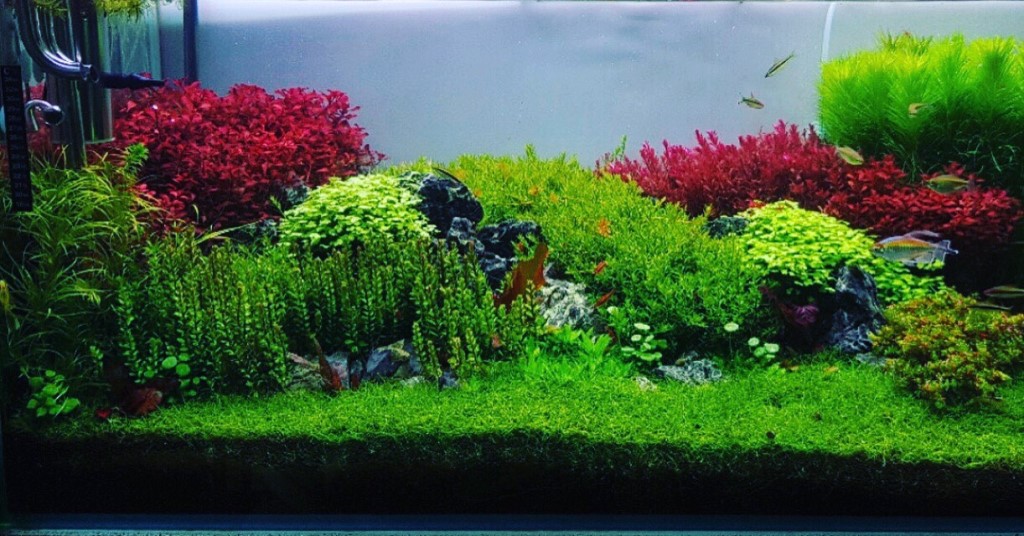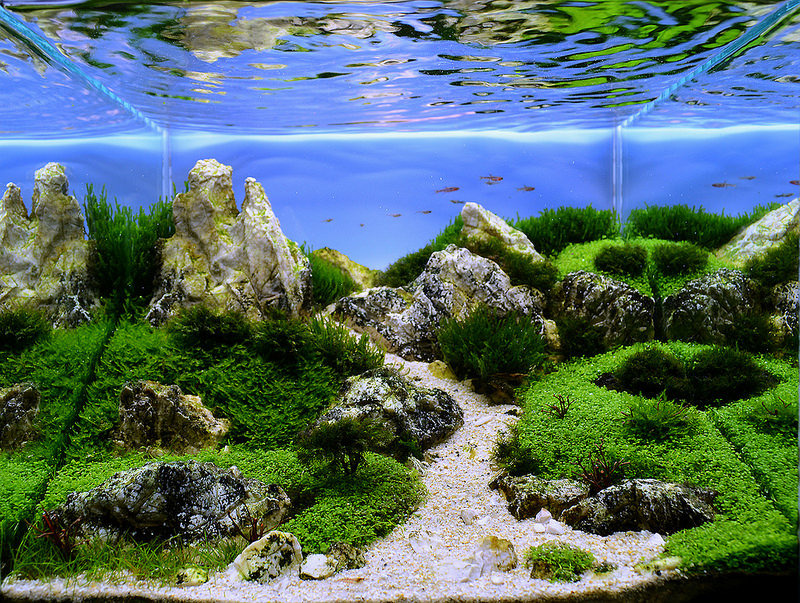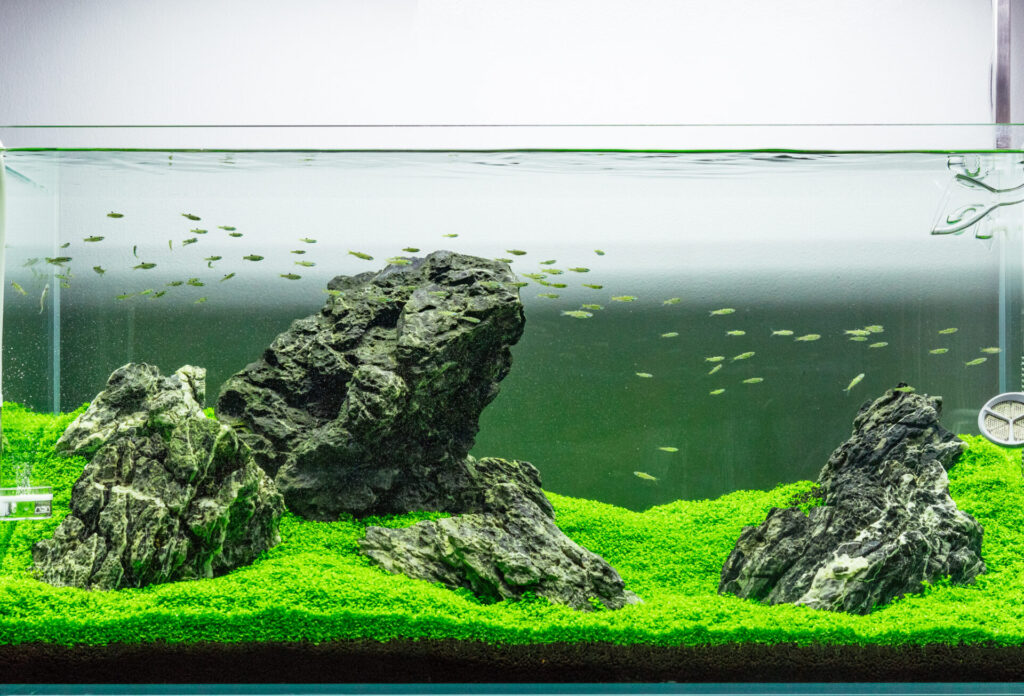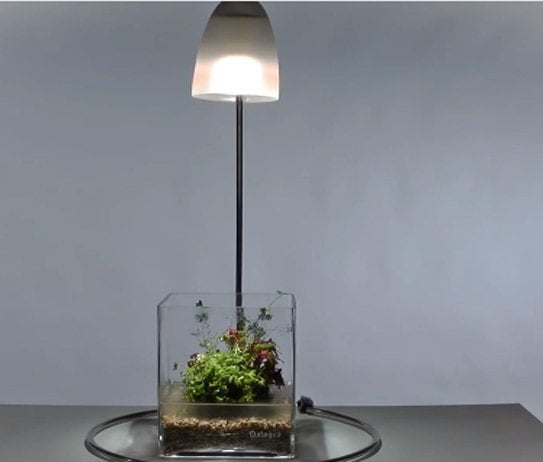
Most aquascapes include both types of substrates, with sand used for decoration in open areas, while nutrient-rich soil is used at the back of the tank. At the contact points, sand and soil can easily mix together, causing aesthetic loss and suboptimal nutrient conditions in the tank.

In this article, Aqua Plants Hub will share some important tips with you on how to care for and set up a properly designed aquascape using suitable sand and nutrient soil.
See more: How to create a sand stream in an aquascape here.
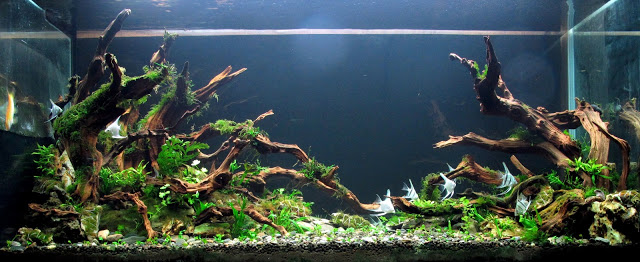
Use natural stones or wood
Place pieces of wood or stone at the edges separating the soil and sand to prevent the mixing of the two substrate types.
- First, the soil is raised at the back.

- Place medium-sized stones to create a separation.
- Now the sand is added. The area is leveled using a brush or sand leveling tool.

- Smaller stones are added.


Finally, small stones are added around the larger pieces on the sand, creating finer details for the tank.

Especially for aesthetic reasons, it is advisable to avoid using dark substrate with light sand in the tank.
Use aquatic mosses
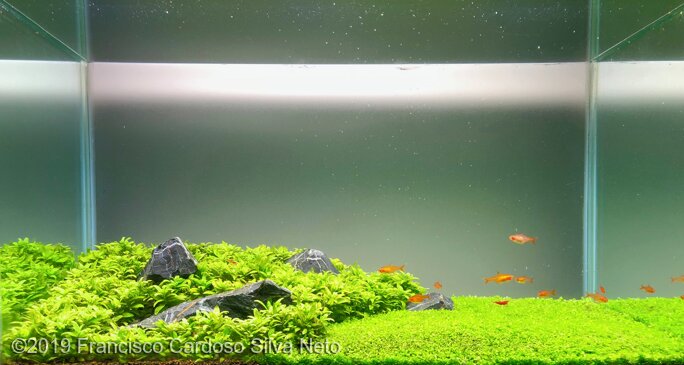
To create a deeper feel, the substrate layer is often stacked higher than the sand layer in front. Although the plants hold the substrate in place with their roots, individual soil grains can roll onto the sand due to the sloped design.
In the image below, the slope created by the higher substrate layer can be seen.

See more: The art of creating slopes and depth for aquascape layouts here.
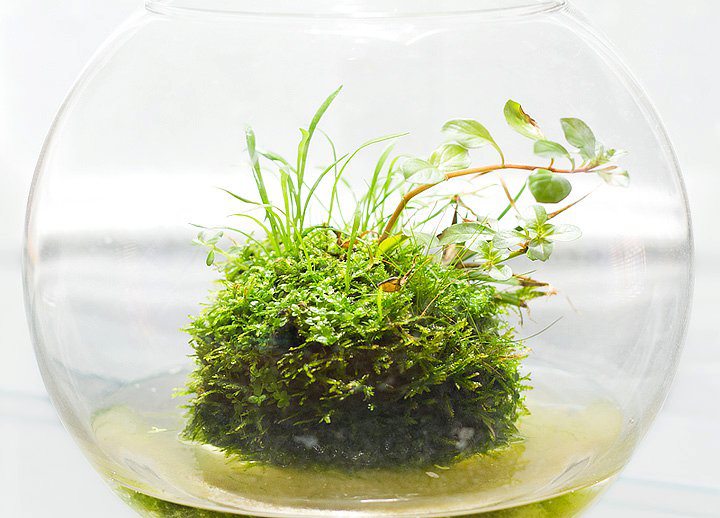
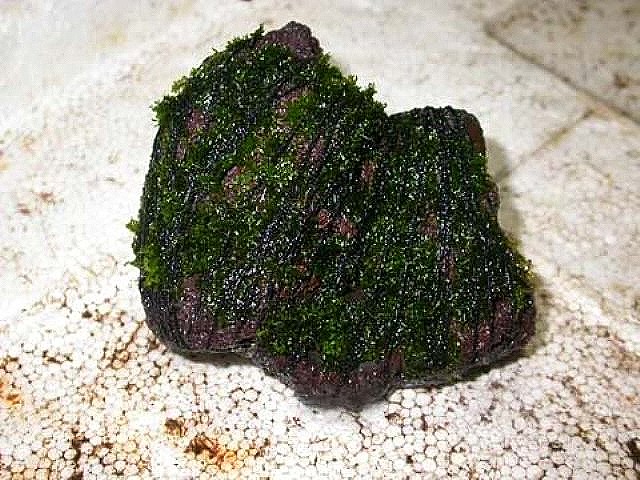
Moss mats should be secured on flat stones or slate to prevent the substrate from sliding down with the sand. Alternatively, commercially available moss sold in mat form can also be used effectively for this purpose.

The moss mats are placed on the surface right behind the barrier. The mats or stones also have enough weight to keep the moss anchored down.
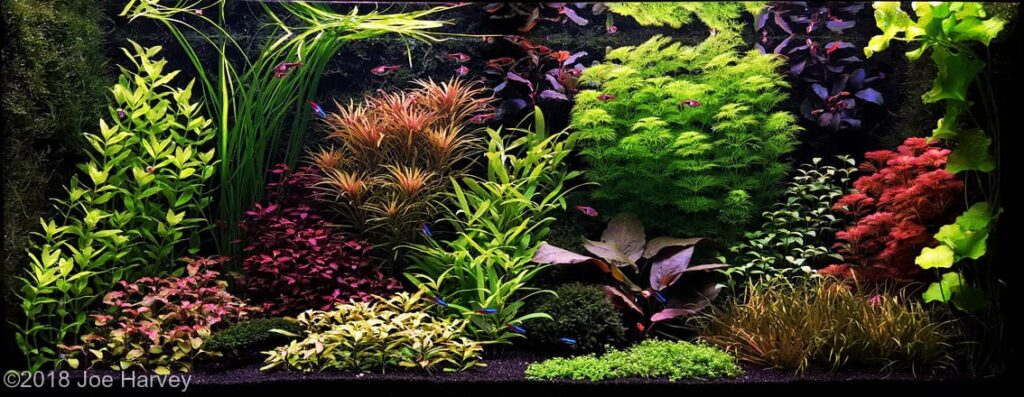
It is important to use moss species with the densest possible growth and the ability to self-adhere to the ground, so that the moss can attach itself to hard materials and soil grains over time. The layer of moss between sand, stones, or driftwood, along with adding plants in the back, creates a natural and visually appealing layout.
Đào Thị Thảo Dung