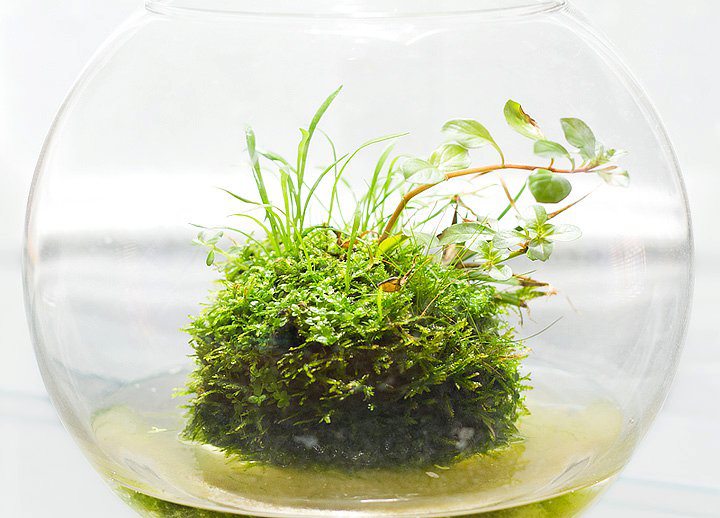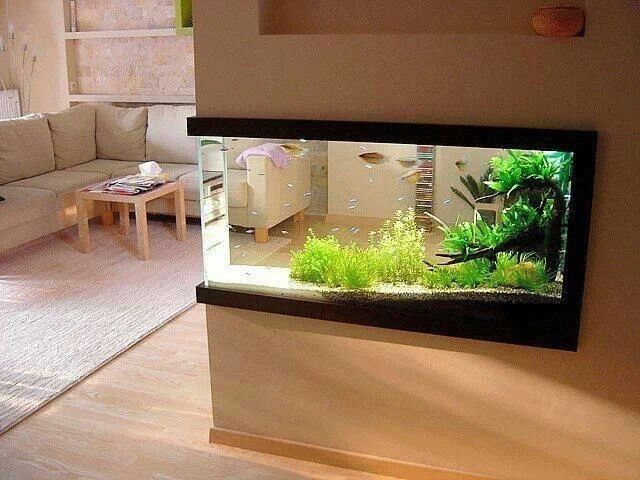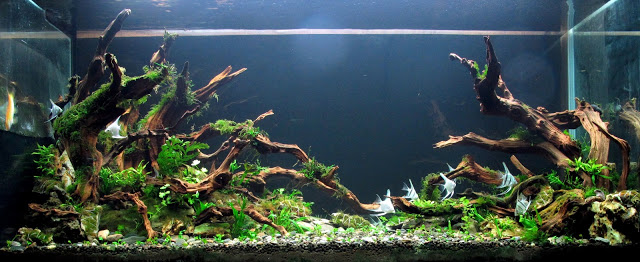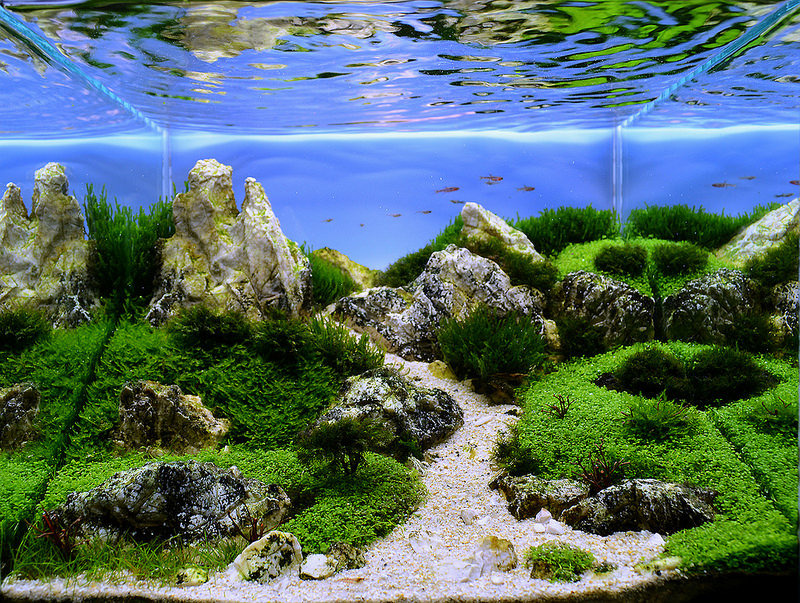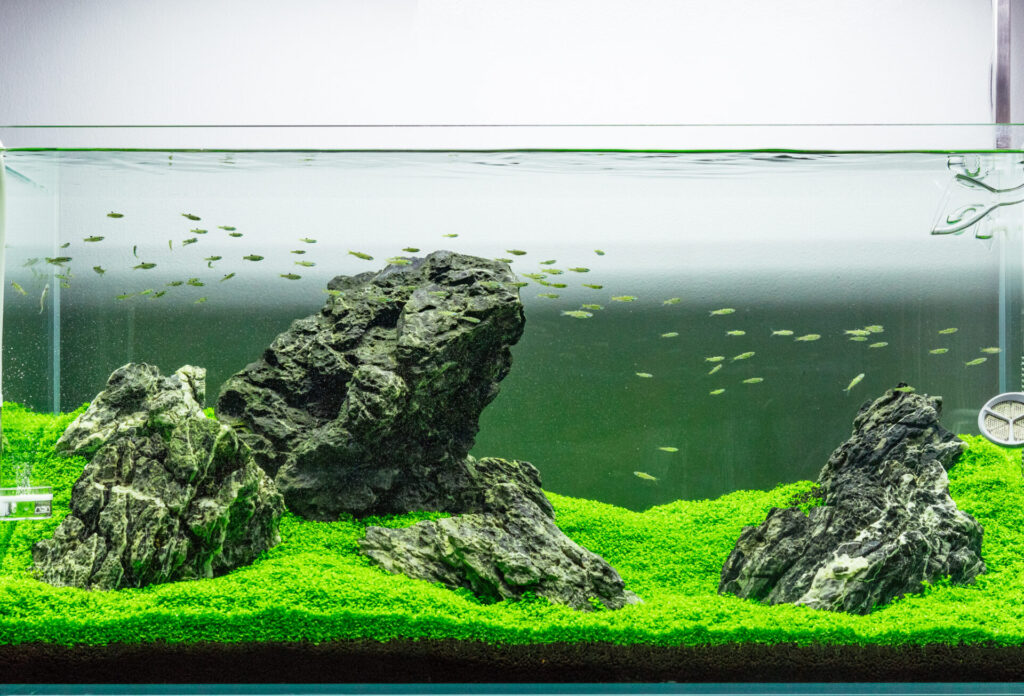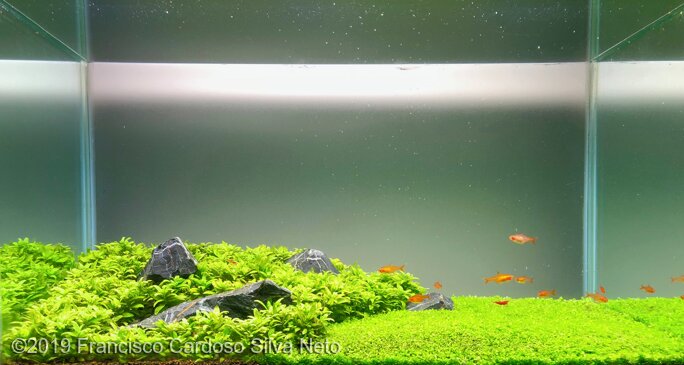
A miniature aquatic ecosystem (Terrarium), also known as a diorama, is an environment with its own closed-loop climate. A closed ecosystem is a self-sustaining ecosystem where life can be maintained without external supporting factors or conditions.
A miniature aquatic ecosystem typically contains hardy plants that can thrive in environments with limited air, water, and nutrients, such as moss, snake plants, and succulents.

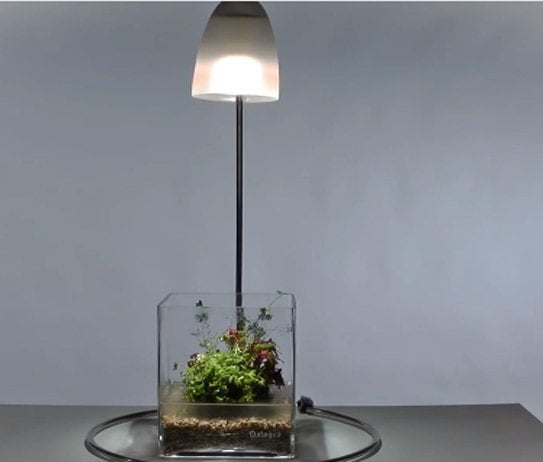
It is usually contained in glass jars, plastic bottles, or sealed glass boxes completely isolated from the outside environment, or it can also be made using transparent materials to ensure the environment receives adequate light. Miniature ecosystems are often used for home decoration, landscaping, or as gifts in a similar way to aquariums but are more compact and convenient.

Building Beautiful Miniature Ecosystems
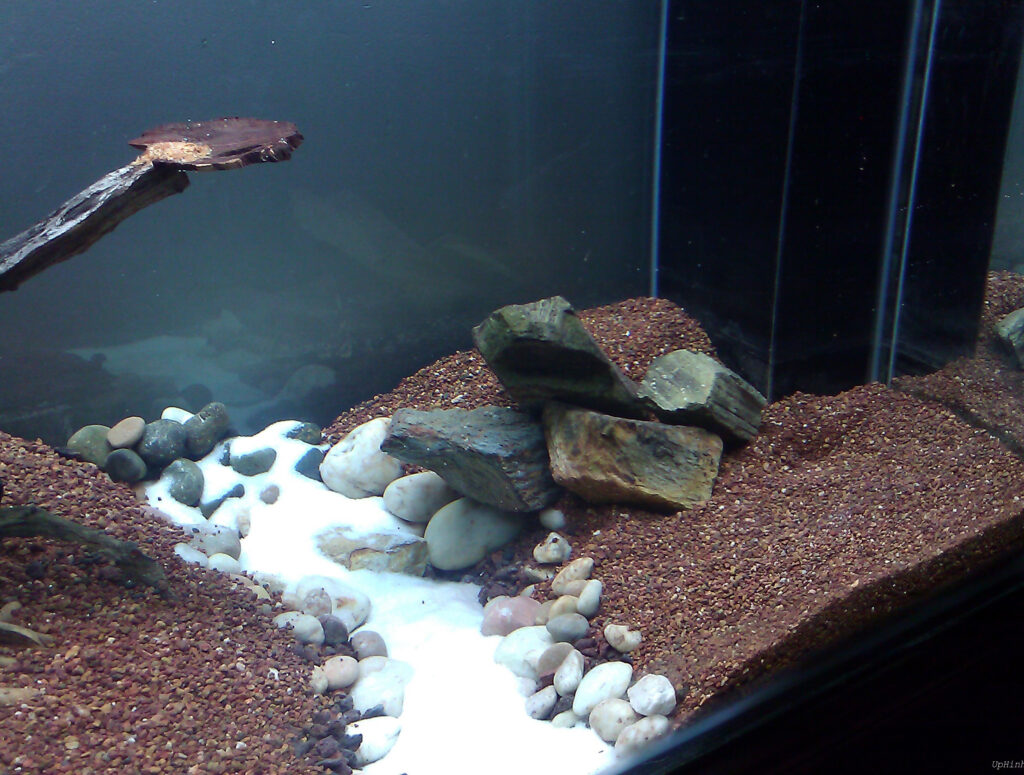
– Step 1: Choose a suitable glass jar or container, then add a layer of gravel at the bottom of the jar for drainage.
Factors to consider:
- The containers must be made of glass or a transparent material that allows light to enter.
- The opening of the container must be large enough to accommodate plants, soil, and decorations inside.
- The container must be cleaned before use to avoid bacteria and fungi that can cause disease.

* Before choosing a container for the ecosystem, you must decide what you want to cultivate and grow. Most plants in an ecosystem have specific needs for light, moisture, nutrients, and air to sustain life. If you want to develop an ecosystem that requires high light and dry conditions, you should choose an open ecosystem. If you want to develop an ecosystem with high humidity that does not require much light, you should choose a closed ecosystem.
– Step 2: Next, add a layer of charcoal that occupies about 1/3 of the container’s size. Charcoal absorbs toxins and bacteria from the soil and keeps the environment inside the jar fresh and clean, eliminating harmful impurities and mold.
– Step 3: Add soil to the jar to provide the necessary nutrients for the plants. The type of soil used depends on the type of plants being grown in the jar.

– Step 4: Add aquatic plants such as moss, ferns, etc. and decorations: Choose slow-growing plants so that as they grow, they do not take up too much space in the ecosystem. During maintenance, it is necessary to prune appropriately to maintain the size and shape of the plants to keep them unique and attractive.
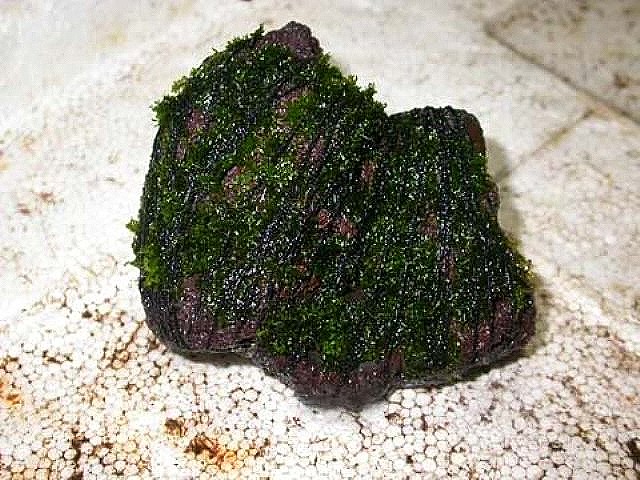
– Step 5: To complete everything, add large stones and green moss for decoration to create highlights.
– Step 6: Maintain humidity by ensuring enough water is added so that the gravel at the bottom of the jar is submerged. Similarly, we should mist the plants with a spray bottle.
How to Care for a Miniature Ecosystem
Temperature: High temperatures are often the main cause of harm to plants in a miniature ecosystem. Therefore, the miniature ecosystem should not be placed near large heat sources such as near a stove or in direct sunlight.

Light: A new miniature ecosystem should be placed in the shade for a short time before being exposed to light. Then adjust the light according to the requirements of the plant types. Generally, a miniature ecosystem should be placed in indirect light conditions, which is better than direct sunlight. Artificial light is also suitable for ecosystem development.
Too much light: Plants may wilt easily, and some types may get scorched. In this case, they need to be moved to a shaded area or placed in a spot with indirect sunlight.
Too little light: Plants grow tall in search of light, stems become thin, weak, and leaves drop. Leaves will become pale and thin. In this case, gradually increase the amount of light, without exposing them immediately to harsh sunlight.
Water:
Open ecosystem: It is necessary to check the soil before watering. For plants that prefer moist soil, the soil at the bottom usually dries out before you add more water. For cacti that do not require moist soil, the soil underneath is usually slightly moist before watering.
Closed ecosystem: Water is rarely added; only when you notice that the condensation on the walls decreases should you add water.
Too dry: Leaves wilt and appear pale. Moss turns brown and dull. Add a little water and humidity to adjust the water content.
Too much water (High humidity): Excessive humidity causes mold to develop and harm the plants. When more than 25% of the container’s walls have condensation, it is necessary to monitor regularly and open the lid until the moisture evaporates. In a closed ecosystem, condensation should only occasionally occur.
Plant growth: Plants in the ecosystem need to be smaller than the size of the container; as the plants grow, they need to be pruned to prevent them from growing too large. Remove and discard dead leaves, replace weak and diseased plants.

Low light plants: Ferns, moss, snake plants, ornamental basil.
High light plants: Cacti, succulents, aloe vera.
Air and mold: The presence of mold is due to three issues: The ecosystem has excessive humidity. Insufficient air supply for the plants. Using unsuitable plants in the ecosystem. The remedy is to reduce humidity in the ecosystem, increase air supply, and select appropriate plants for cultivation.
Cleaning: Keep the container clean and clear. Remove moisture or dust, algae, as it can form a green film on the glass. Clean and remove dry leaves to prevent the growth of mold and bacteria.
Đào Thị Thảo Dung