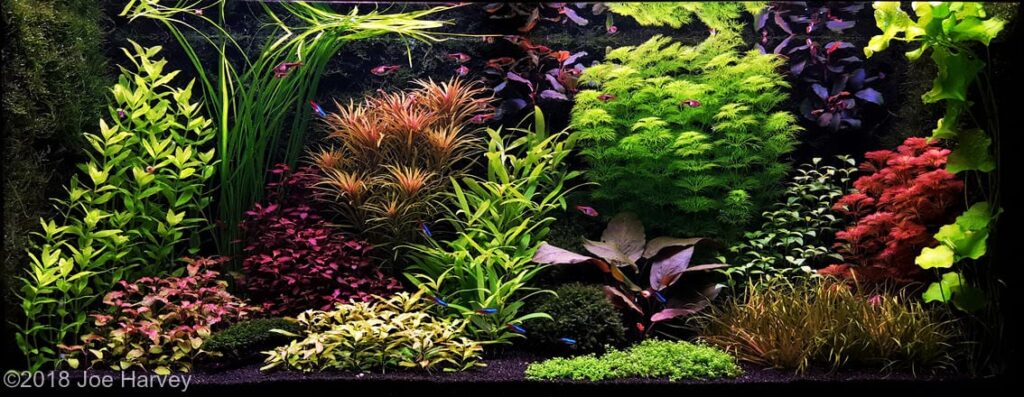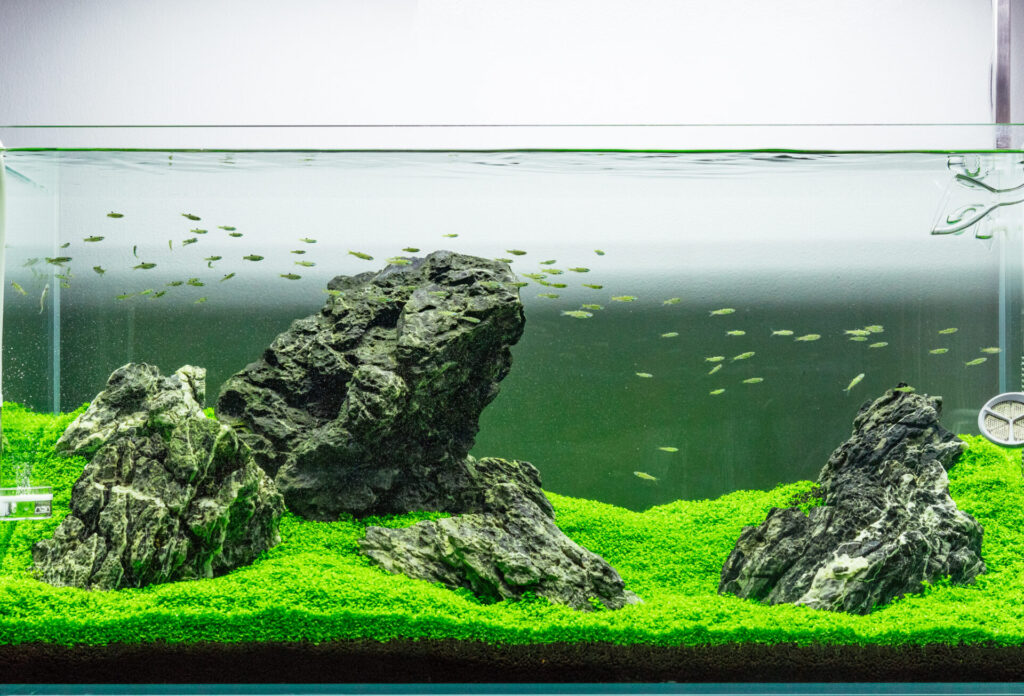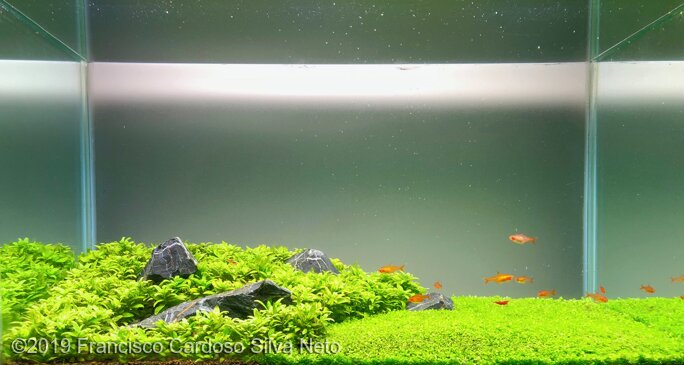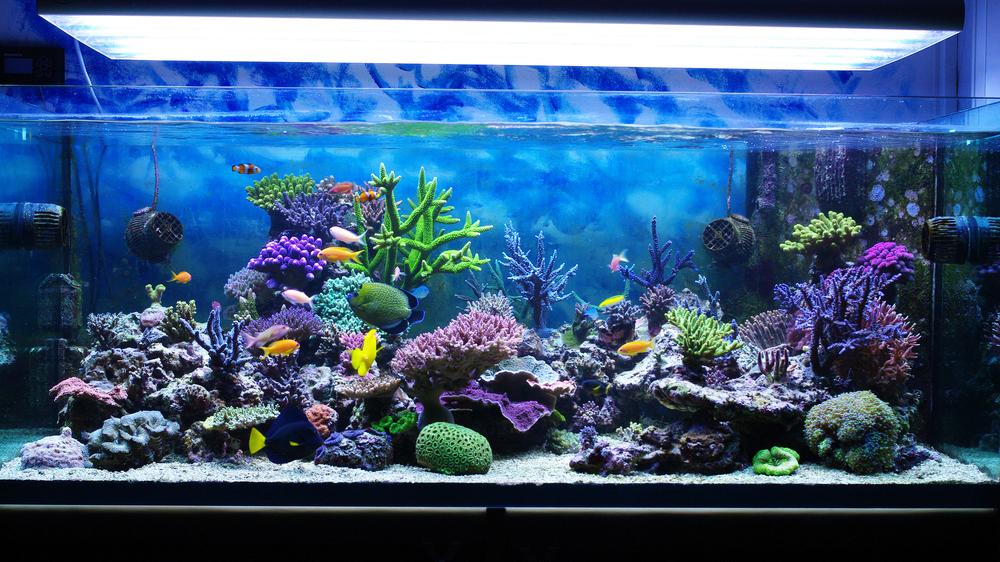
In addition to a balanced and impressive aquascape layout, the aesthetic appeal of the colors of aquatic plants also affects the beauty of an aquarium. The factors that make aquatic plants attractive and eye-catching include: shades of green, thick and healthy foliage,… In this article, Aqua Plants Hub will share and analyze the factors that help aquatic plants showcase impressive and prominent green hues for the aquarium.
The Development of Color in Aquatic Plants
A beautiful aquarium with eye-catching aquatic plants is thanks to the diversity of plant colors ranging from green to orange or red. The differences in color of each plant species depend on whether the species prefers a light environment or thrives in shaded conditions. Naturally, species categorized as light-loving typically have bright green or vibrant red leaves, while shade-loving species have darker leaves.

It can be observed that the change in leaf color occurs as the plant adjusts its photosynthesis rate by modifying the pigment density in the leaves, also known as chlorophyll.
In fact, the three basic colors of plants are green, blue, and red, and chlorophyll can only absorb blue and red light. However, for aquatic plants underwater, they must perform photosynthesis underwater. Aquatic plants ensure that photosynthesis occurs fully by increasing chlorophyll density to survive in low light environments, which is why the leaves often appear dark green.
Factors to Make Plant Colors More Attractive
Depending on the light conditions the plants are accustomed to, their colors may change and can exhibit varying shades of green, brown, orange, or red. Some plant species consistently retain their original colors, while others may change color depending on light conditions.
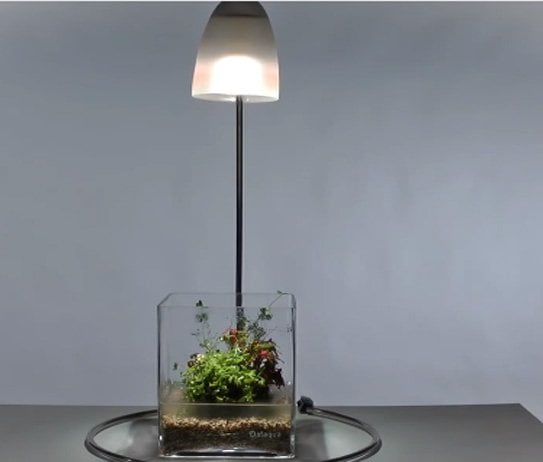
As known, the color of aquatic plant leaves varies according to light intensity, so it is necessary to have an appropriate amount of light for the aquarium to achieve the right and suitable leaf colors.
The light from Metal halogen lamps and fluorescent lights greatly affects light-loving plants; the stems of these plants will be longer than usual, and the leaves will lose their beauty and health. We can address this issue by having a good aquascaping lighting system and regularly replacing the bulbs.

If the plants are exposed to strong light sources, the leaves usually turn bright green or red, and photosynthesis can still occur with low chlorophyll density. In an aquarium, observing the leaf color of the plants can help determine the appropriate lighting conditions required by the plants. A plant that produces red leaves will thrive under bright natural light conditions and will also need similar conditions in the aquarium for proper photosynthesis.
Sometimes, there are cases where a plant initially has red leaves but later grows green leaves and then turns red again. If they stop turning red, this is a sign that the light intensity in the aquarium is not high enough. Conversely, under excessively high light conditions, plants are more likely to produce red leaves.

See more: How important is light in aquariums? Which lights are suitable for aquascaping here.
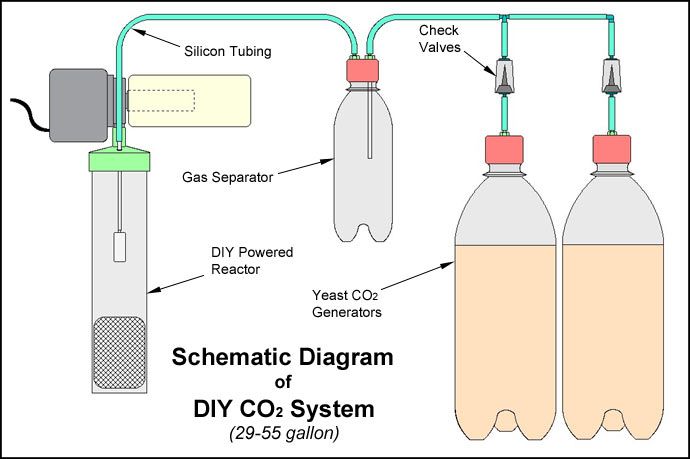
Another factor affecting leaf color is the amount of CO2 in the aquarium. If we do not provide enough CO2 when the aquarium has high light intensity, it can lead to issues that hinder the photosynthesis process or cause leaf tip die-off.
It is advisable to use tools to measure CO2 levels in the water to address this issue. The main factor of color in aquatic plant leaves is pigments such as chlorophyll, and these plant pigments cannot be synthesized if there is a lack of nitrogen and trace elements.
Waste from aquatic animals serves as a source of nitrogen and helps remedy the condition of color loss in leaves, which may turn pale white. Nitrogen deficiency often occurs when the ratio of plants to animals in the aquarium is unbalanced. To achieve vibrant red colors in aquatic plants, we should supplement iron, as it is a crucial component in the synthesis of red pigments in plants.
Đào Thị Thảo Dung