Designing an aquascape with Bonsai will create a space that is truly natural and highly aesthetic. This article from Aqua Plants Hub will guide you on how to create an artificial Bonsai from driftwood.
What is aquatic Bonsai?
It is a form of hobby where ornamental plants are placed in an aquarium. The bonsai will blend into the ecosystem of the tank, creating an extremely impressive and natural aquascape. Another popular form of Bonsai is having roots submerged in water, with the upper part of the plant rising above the water surface.

How to process driftwood
Processing artificial bonsai driftwood involves thoroughly cleaning the surface of the driftwood to remove harmful factors for the tank and adjusting poorly connected parts.
- Step 1. Boil the driftwood
- Step 2. Roast the driftwood
- Step 3. Soak the driftwood in bleach
- Step 4. Soak the driftwood in salt
See more: How to process driftwood in an aquarium here.
How to assemble driftwood into an artificial bonsai
To assemble driftwood into a beautiful artificial aquatic bonsai, you need to consider two factors: appropriate size and natural shape.

- Measure the size of the tank, estimate the size and amount of driftwood needed.
- Shape and design the appearance of the artificial Bonsai in the most natural and eye-catching way. You can sketch the desired shape of the Bonsai on paper before assembling the driftwood.
- Remove any excess and unsuitable driftwood. To achieve beautiful curved branches, you can connect small pieces of driftwood using string or adhesive.
- Assemble the pieces and branches of driftwood together using string or specialized adhesive. Creative design of the shape for the artificial Bonsai is something to pay special attention to, as beautiful and suitable pieces of wood are not always available. We can shape the driftwood Bonsai in the following ways:
- Use 502 glue or sawdust to connect.
- Use two-component adhesive or metal glue.
- Use stainless steel rods, fishing line, or wire to tie them together.
- Use nails or stainless steel screws for connection.
- You can also use glue, string, and stainless steel wire to shape them.
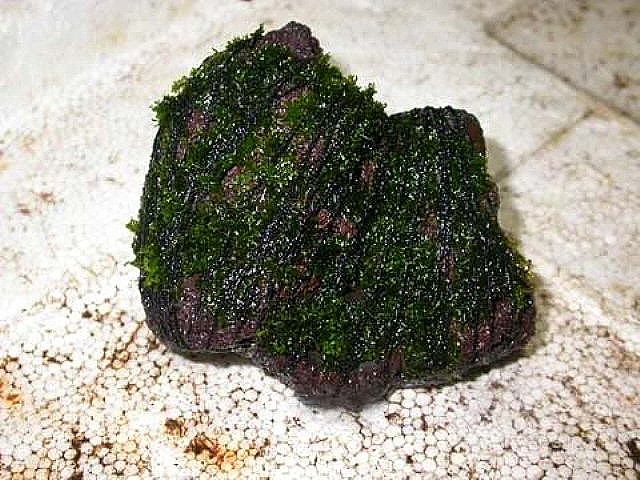
- After assembling the driftwood into an artificial Bonsai, the next step is to plant aquatic moss in the connected parts, as moss helps to elegantly cover the joints, enhancing the natural look when placed in the tank.
You can refer to How to plant aquatic moss on driftwood or stones here.
Note on choosing suitable driftwood

Driftwood placed in an aquarium tends to lower the pH in the tank, so it is often used for tanks housing discus fish, angel fish, or species that thrive in low-acid environments.
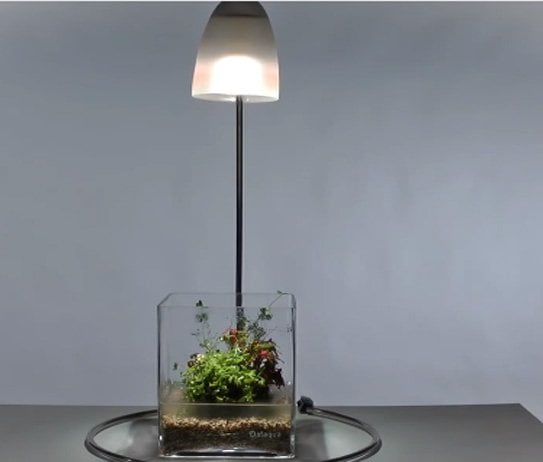
The first important factor is the size of the driftwood branches. If the aquarium uses an independent hanging lighting system that is not close to the tank walls, you can create a tall Bonsai with the top rising above the water surface, adding uniqueness and aesthetics to the tank. However, with a standard aquascape layout and lighting system placed at the tank walls, such a design would be very inconvenient and unsuitable.
The second important factor is the number of driftwood branches of the Bonsai and the balance in the layout. We need to carefully consider the selection so that when assembled, it looks harmonious and natural with the layout of the tank.
Đào Thị Thảo Dung