Peppermint is one of the most beautiful plants in the aquarium. It has many sizes and many different leaf shapes. Today, join us to learn how to grow peppers and how to place them in the aquarium accordingly.You may be interested in:
→ List of common pepper plants in aquariums.
→ How to grow and care for Bucep types.
→ How to grow and care for pearl pearls.
| Common name: | Tieu Thao |
| Scientific name: | Cryptocoryne |
| Source: | According to records, it originates from Asia. |
| Suitable temperature: | 20 – 28°C |
| Lighting conditions: | Medium and strong |
| Development speed: | Medium |
| Difficulty: | Medium |

Black pepper is a plant that is really not too difficult to grow. However, it still happens that the same tank is set up with the same type of substrate and the same lighting conditions, but one tank can grow well while the other tank cannot. Some people think that pepper grows slowly. But our opinion is that if the other factors are adequate and your ground is really good, the pepper will sprout leaves very quickly.
Care conditions:
Temperature:
Black pepper is not a picky plant about temperature. Like most other aquatic plants, its excellent growth and development conditions are around 20-24ºC. Beyond this condition, the plant still grows but does not grow as strongly as in this temperature range.
Lighting conditions:
Some information suggests that peppermint needs moderate to low light conditions, but in our opinion based on experience with this plant, if you want beautiful, plump leaves, you should use medium to strong light. For a 1m2 tank of about 300L, use 4-6 Odyssea 10,000k light tips and the plant will produce leaves quite quickly and strongly.
Essential Nutrition:
Peppermint is one of the aquatic plants that uses roots to absorb nutrients from the tank’s soil, so a nutrient-rich soil will help the plant grow and develop stably. Most industrial soil brands today provide very good nutrients for pepper in the early stages. However, after about 6 months to a year, nutrition is no longer as abundant as before. Regarding the use of mixed base, the same goes for the first time the mixed base has a lot of nutrients, but over time it gradually dries up. In addition to adding nutrients through the soil, it is also necessary to add nutrients through the leaves. Currently, there are many types of water fertilizers that you can choose from to provide nutrients for the tank.
Development speed:
It grows at a normal rate much slower than other cut plants. However, if you provide enough conditions for it, it can still grow noticeably quickly over weeks.
Some problems arise when growing pepper:
There are some problems that arise when growing this type: when you first buy it, when you plant it, it will wash and lose its leaves. This is completely normal when you buy the plant from the store because it cannot adapt to the conditions in the tank. In this regard, you can rest assured that after a while it will grow again. Besides, not only pepper plants but also other plants, when you buy them, don’t rush to plant them in the soil right away, but soak them in a corner of the tank for about 2-3 days for the plant to adapt and then plug it into the tank.
Another problem that arises when planting is that after a while of planting the plant’s leaves appear yellow, don’t worry too much, because the plant is currently lacking iron in the tank’s conditions. At this time, you should add the necessary micronutrients for the plant to grow again.
How to arrange them into the layout
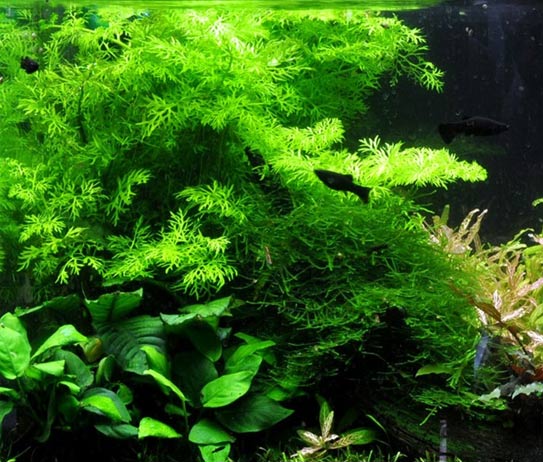
Peppermint is a special plant that can be placed in any part of the tank
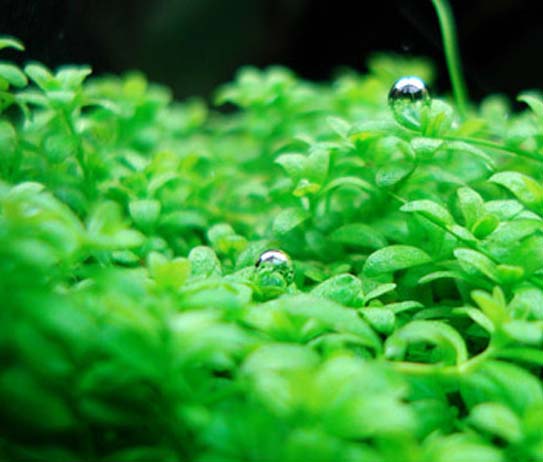
In the foregroundThere are mini peppers, Prava peppers, arrowhead peppers,… many names for this type of pepper. They can be used to replace foreground and background plants, which are also quite beautiful. Because they are small and have a relatively fast growth rate, you can arrange them in a rock cavity, which is also very reasonable.

In the middle:Some types of peppermint are medium sized (ie a little larger than arrowhead pepper). Some types like Flamingo pepper have a pink color that is also very suitable for you to highlight in the mid-range part of the tank.

In the background:Some types of pepper plants have very large leaves and are very dark green, so you can place them in the corner of the aquarium to increase their depth.

Peppermint is one of the beautiful plants that, if arranged harmoniously, can make your tank more sparkling and attractive to viewers. Above are our shares for you. If you have any comments, please comment below so we can improve the article to bring useful knowledge to players.

Thank you for following!
Aqua Plants Hub Editorial