Overview of glass catfish
Glass catfish’s scientific name is Kryptopterus bicirrhis and they originate from the waters of Malaysia and Indonesia. Glass catfish have a transparent body, allowing you to see their bones and internal organs. Throughout their body, you can see their spine and the slightly raised part of their back, which is where their dorsal fin, tail fin, and almost invisible belly fin are located. These two fins work together to allow them to swim up and down in the water.Glass catfish have a body length of about 12 – 15cm, making them appear like delicate leaves. Although glass catfish have a beautiful appearance, their small size makes them weak and vulnerable to larger fish. Therefore, they often swim in small schools for their protection.
How to care for glass catfish
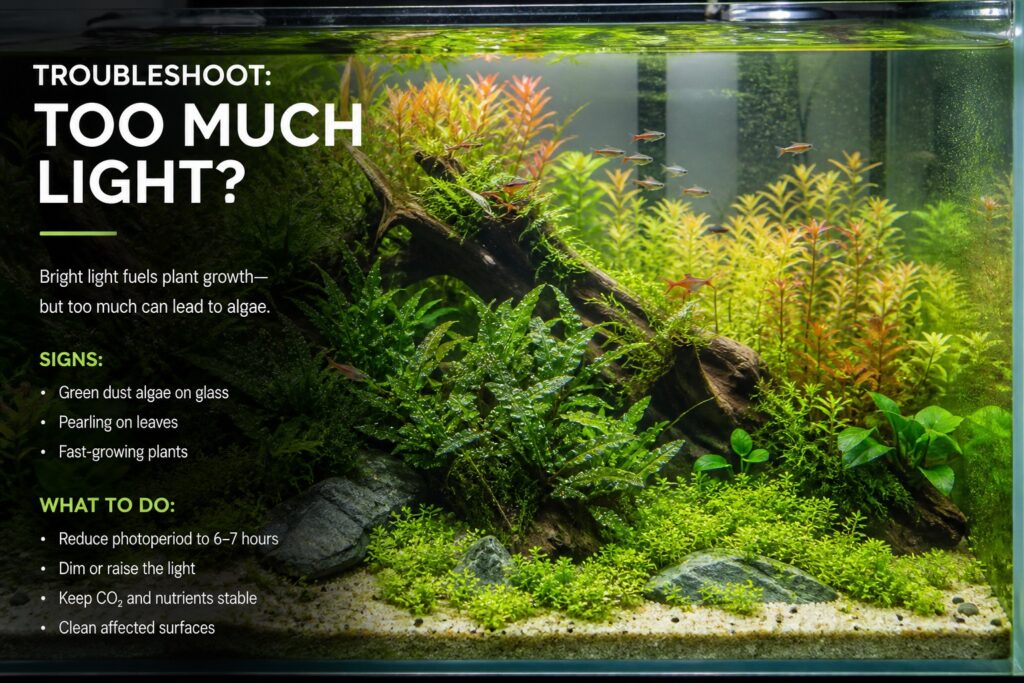
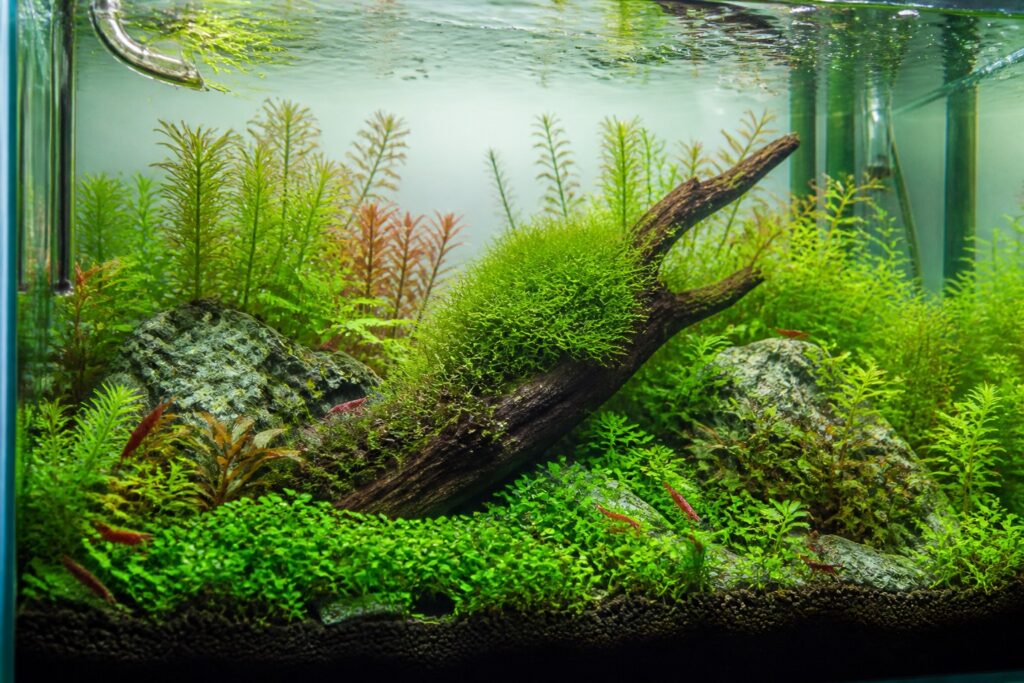
Glass catfish can thrive and grow well in a clean water environment, where there is low light and they can hide to avoid being eaten by other fish, so you need to prepare a tank with aquatic plants and create many hiding spots for them. Glass catfish live in schools, so when keeping them, you should have at least 10 fish to ensure they can thrive and grow well. The suitable temperature for their development is around 24 to 28 degrees Celsius, with a pH level from 6.0 to 7.5.Glass catfish are very sensitive to changes in conditions and water quality, so you must regularly clean and change the water in the tank. Glass catfish need at least a 30-gallon tank to have enough space to swim in schools.
 Glass catfish live in schools, so when keeping them, you should have at least 10 fish to ensure they can thrive and grow well. The suitable temperature for their development is around 24 to 28 degrees Celsius, with a pH level from 6.0 to 7.5.Glass catfish are very sensitive to changes in conditions and water quality, so you must regularly clean and change the water in the tank. Glass catfish need at least a 30-gallon tank to have enough space to swim in schools.
Food for glass catfish
The main food for glass catfish consists of some invertebrates like earthworms, water bugs, and larvae. Additionally, you can combine some specialized fish food to provide them with the necessary nutrients for healthy growth and development.Glass catfish are quite small, so you should feed them moderately, no more than 2 times a day. This way, they will consume all the food to avoid leftover food in the tank that could pollute the water environment.With their beautiful and unique appearance, glass catfish are sure to be loved by everyone who sees them. This species is not easy to care for, especially for beginners in the aquarium hobby. However, we hope the information we shared above will help you in some way. Wishing you success in raising and caring for glass catfish!Phạm Thị Quyên