The Egyptian angel fish is scientifically named Pterophyllum. It has a flat, thin body and comes in various colors. This species can eat shrimp, small fish, and is favored by many aquascaping enthusiasts. Let’s Aqua Plants Hub learn about the characteristics as well as how to raise and care for the Egyptian angel fish.

Origin and characteristics of the Egyptian angel fish
The Egyptian angel fish was first discovered and documented in 1824 by F. Schultze. It was then introduced to Europe in 1920. And it was first bred in America in 1930. Today, the Egyptian angel fish is well-known to many people. And we can buy them at ornamental fish shops.
The Egyptian angel fish has a thin and flat shape. Mainly silver in color with dark stripes interspersed, they have large, pointed fins. They swim vertically. The dorsal and ventral fins are long and thin, helping them swim easily in the water. When viewed head-on, their entire body and fins combine to form a triangular shape.

How to raise and care for the Egyptian angel fish
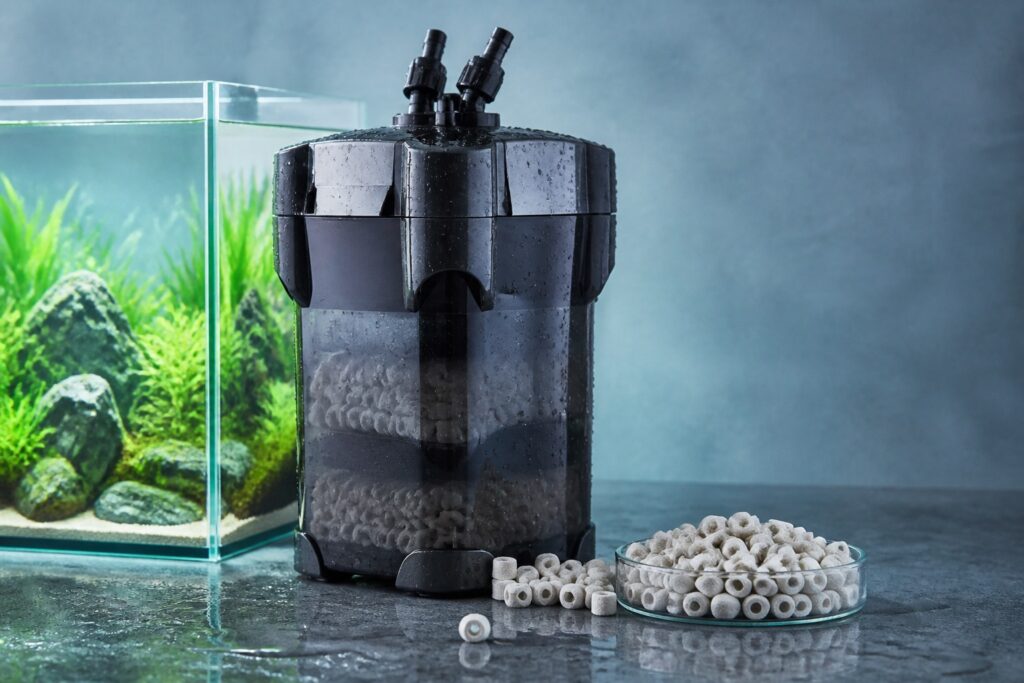
When raising Egyptian angel fish, a tank with a large size and volume is needed, at least 115 liters of water. If you want to keep many Egyptian angel fish or combine them with other fish species, a tank with a volume of 210 liters or more is required. The most suitable temperature for the Egyptian angel fish is between 26 and 30 degrees Celsius.
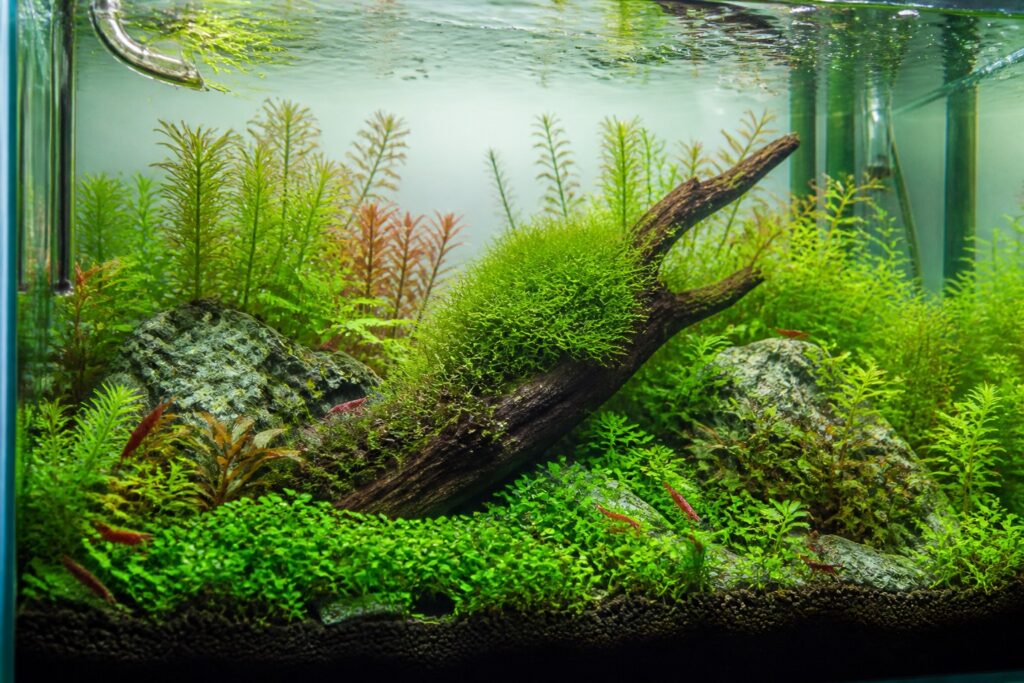
Note that when keeping Egyptian angels in a tank, sharp decorations should be limited as they may injure the fish. To facilitate breeding, you can plant additional aquatic plants inside the tank. However, avoid planting soft-leaved aquatic plants as the Egyptian angel fish may eat the leaves.

Food for the Egyptian angel fish
The Egyptian angel fish is an omnivorous species. Their favorite foods include frozen beef heart, earthworms, small bait fish… and they can also eat fish pellets.
When raising fish, you should not overfeed them as it may cause bloating. Occasionally, you can chop up lettuce or spinach and feed it to the fish to supplement their fiber intake.
Through the above article, I hope it will provide you with more useful information to raise and care for your fish.
Phạm Thị Quyên