In the aquatic environment, other factors all affect water quality. Today’s article, Vietnam Aquarium, will share with those who are just starting to learn and enjoy aquatic life the issues of nutrition, deficiencies and excesses of nutrients and ways to limit them.
Nutritional factors in aquariums
Includes macronutrients and micronutrients. If there is a deficiency or excess of either of the above two substances, it will cause nutritional imbalance and harm aquatic organisms in the lake.
Macronutrients:
Include:
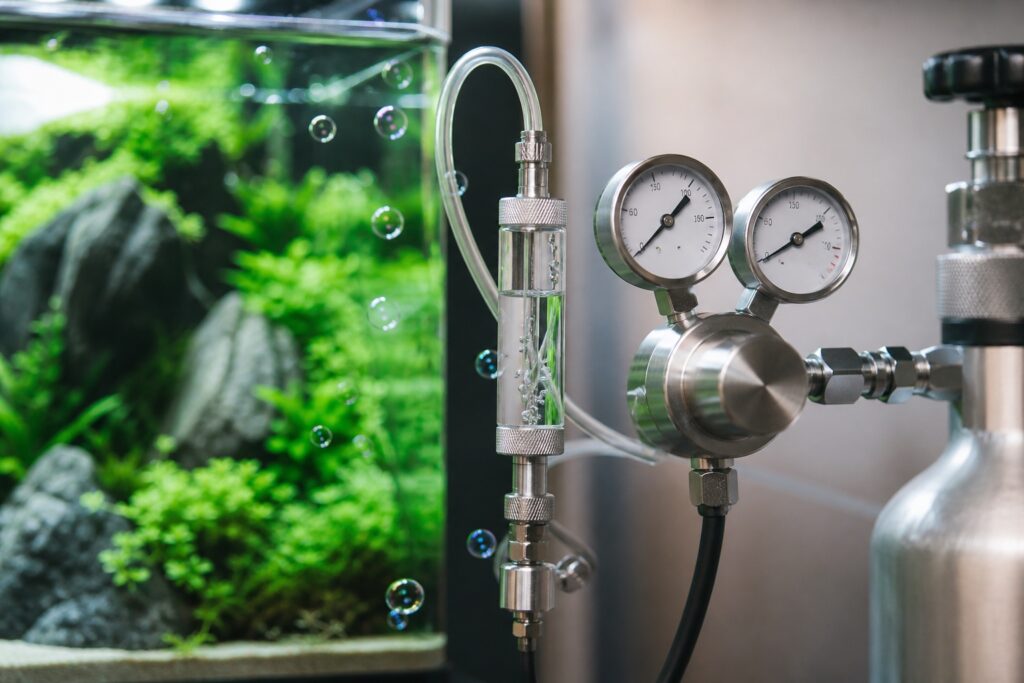
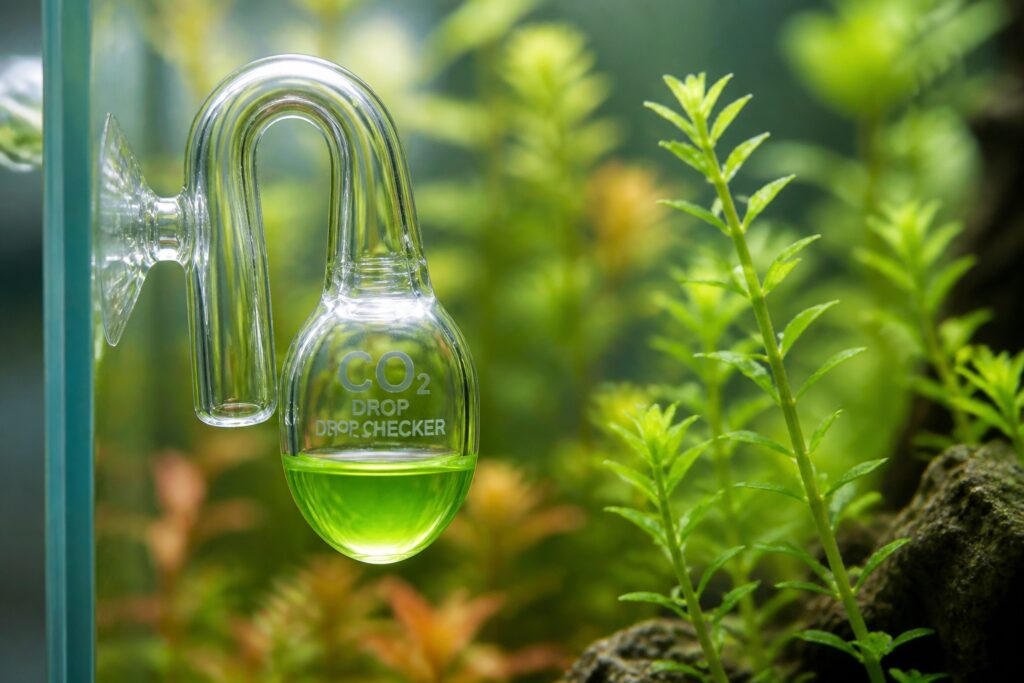
- Carbon (C): We should provide gaseous CO2 from a CO2 tank to the aquarium. This is an indispensable substance for aquariums.
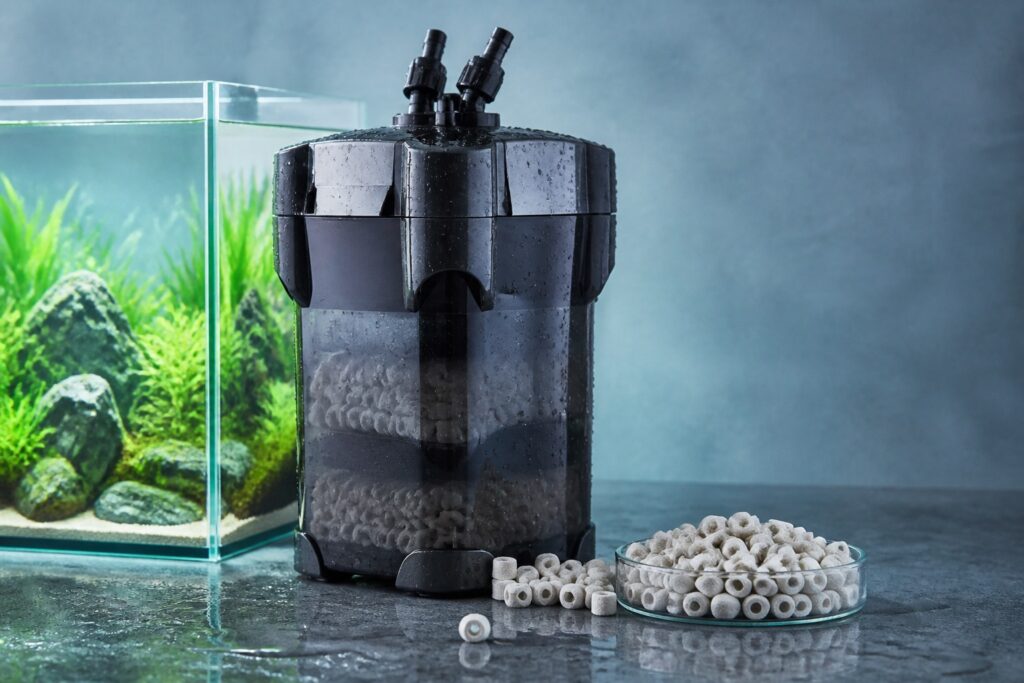
- Nitrogen (N): This is the main nutrient for aquatic plants, but this is also a substance that is easily lacking in lakes with many plants and lots of light. If there is a lack of N, the leaves often show signs of yellowing or death. We can provide more N from No3 to the lake by raising more fish and providing more Nitrogen water fertilizer. Note that high levels of NO3 in water can also poison the water, kill fish and shrimp, and cause plants to lose their leaves and roots. The way to reduce NO3 is to try changing the water, using filters or effective filter materials.
- Phosphorus (P): Also an important nutrient for aquatic plants, P from Po4 is often produced in the aquarium from fish feces and dead leaves. Aquariums with a small number of fish with many plants and lots of light often suffer from PO4 deficiency – WITHOUT PO4, plants cannot use CO2 for photosynthesis, cannot absorb other nutrients, causing nutritional imbalance, which can cause plants to stop growing and gradually die, in addition to causing moss. P should be supplemented with Phosphorus water fertilizer. Excess Po4 is usually due to the substrate, or the large number of fish and shrimp, which also causes nutritional imbalance. Therefore, Po4 can be reduced by changing water, raising a moderate number of fish, and using effective filters.
- K (Potassium): This element is often easily deficient because most tap water companies have removed K from the water supply. K deficiency often causes tiny holes in leaves, which then gradually become larger, lose leaves, and die. We can supplement K with Potassium water
- Magnesium (Mg): Almost all tap water has enough Mg so we do not have to add it to the aquarium.
Micronutrients
Aquatic plants need a very small amount of these micronutrients. If they are deficient, they will not grow and gradually die.
Important trace elements include:
Iron (Fe), Magnese (Mn), Chlorine (Cl), Copper (Cu), Boron (B), Molybdenum (Mo), Cobalt (Co), Nickel (Ni)…
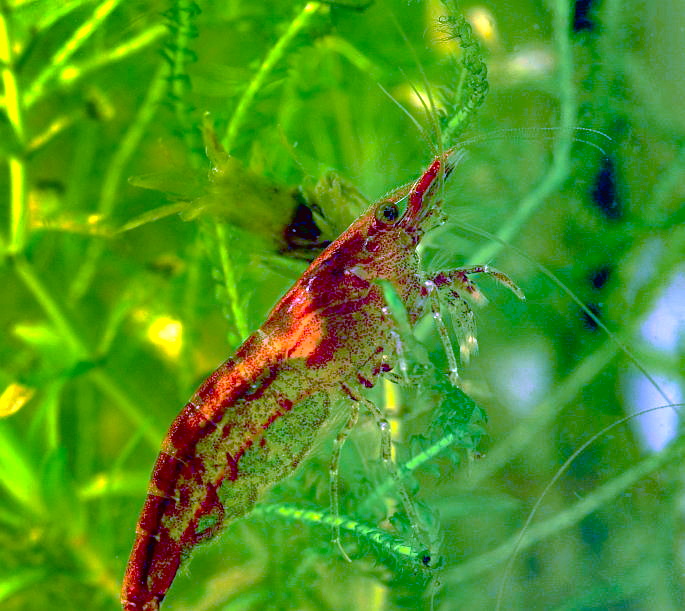
Micronutrient residues are also dangerous for fish and plants. For example, excess heavy metal Cu will kill shrimp, especially bee shrimp, and excess Fe will often create harmful moss such as black bunch moss and hair moss.
To remove heavy metals, we can use RO filters and specialized filter materials. In addition, to reduce basic trace elements, we can change the water. To supplement micronutrients, you should use Seachem Flourish liquid fertilizer or Tenso Cocktail dry fertilizer or Plantex CSM+B.
Standard parameters of nutritional factors in aquariums
This parameter applies to cases of playing with trees, moss, ferns, etc.
1 ppm means 1 milligram of that substance in 1 liter of water (1 ppm = 1 mg/l)
1. CO2 from 25-30 ppm
2. Amount of NO3: from 5-30 ppm
3. Amount of Po4: 1 to 2 ppm
4. K from 10-30 ppm
5. Fe from 0.2 – 0.5 ppm
6. gH (total water hardness): from 3 -5 ppm
7. KH (hardness from Carbon): from 3-5 ppm
See more: Nutrient solution for aquatic plantshere.
Hopefully through this article, those who are new to aquatic life will also gain basic knowledge about the nutritional elements necessary for an aquarium.
Đào Thị Thảo Dung