Algae are an essential part of the aquascaping ecosystem. Serving as a food source for various organisms, algae also play a crucial role in maintaining the ecological balance of the aquarium. Additionally, algae possess antibacterial and antiviral properties, helping to reduce the growth of harmful bacteria and viruses in the aquarium. Below are some basic information about cultivating antibacterial and antiviral algae in aquariums.
ALGAE AND THE ROLE OF ALGAE IN AQUARIUMS
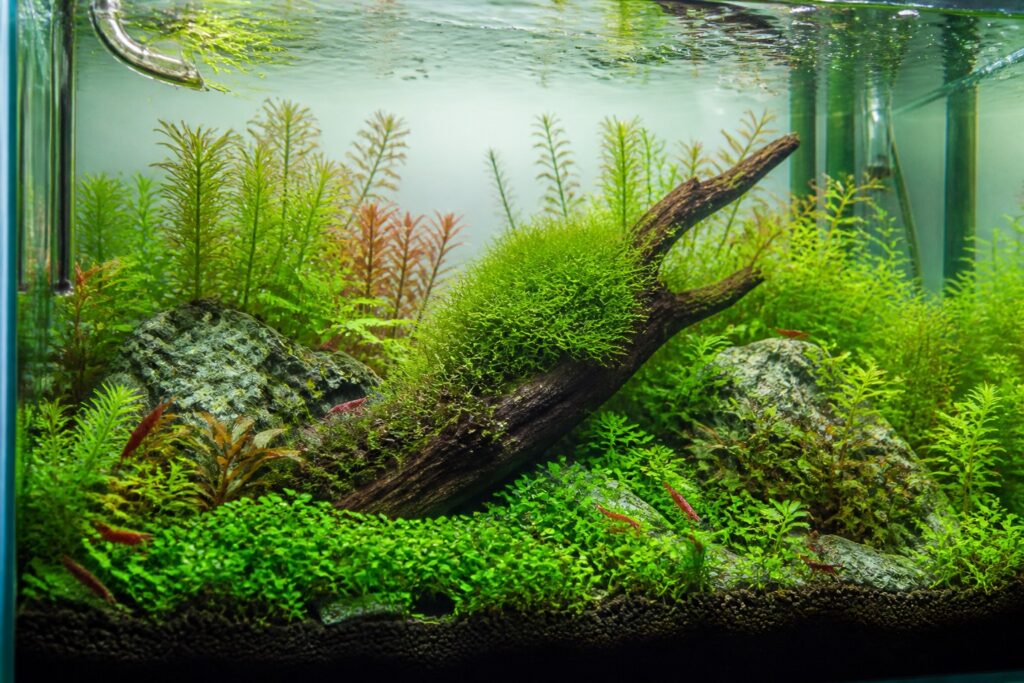
Algae are a type of small plant microorganism that typically live in freshwater or saltwater environments. In aquariums, algae play a vital role in providing food for organisms such as fish, shrimp, snails, and slugs. Moreover, algae can increase the dissolved oxygen levels in the water and help maintain the ecological balance in the aquarium.
ANTIBACTERIAL AND ANTIVIRAL ALGAE
Common types of antibacterial and antiviral algae
In aquariums, there are many types of algae with antibacterial and antiviral capabilities, the most common being:
– Chlorella is a small green algae that can produce most of the vitamins necessary for organisms in the aquarium. It also has the ability to reduce nitrate and phosphate levels in the water, helping to lower the risk of algae growth in the tank.
– Spirulina is a small blue-green algae that contains essential nutrients for organisms in the aquarium, including amino acids and important vitamins and minerals. It also has antibacterial and antiviral properties, helping to protect the health of organisms in the tank.
– Porphyra is a type of red algae that contains essential nutrients for organisms in the aquarium, including amino acids and important vitamins and minerals. It also has antibacterial and antiviral properties, helping to protect the health of organisms in the tank.
– Ulva is a type of green algae that can produce the necessary nutrients for organisms in the aquarium, including amino acids and important vitamins and minerals. It also has antibacterial and antiviral properties, helping to protect the health of organisms in the tank.
These types of algae are commonly used to feed fish, shrimp, snails, and slugs in aquariums. All of these algae have antibacterial and antiviral properties, helping to protect the health of fish in the aquarium and maintain the water environment in the best condition. However, the use of these algae needs to be adjusted to the correct dosage to avoid harming the water environment in the aquarium.
How to cultivate antibacterial and antiviral algae in aquariums
Choosing the right type of algae: The choice of algae will depend on the type of organisms being kept in the aquarium. If you want to raise fish, Spirulina will be the best choice, as this type of algae has a high protein content. Meanwhile, if you want to raise shrimp, Chlorella will be a more suitable choice, as this type of algae contains high levels of protein and essential minerals for shrimp development.
Cultivating algae in aquariums: Cultivating antibacterial and antiviral algae in aquariums is quite simple. You can buy algae at pet stores or aquatic shops, then add the algae to the aquarium. However, to ensure that the algae grow well and provide sufficient nutrition for the organisms in the aquarium, you should follow these steps:
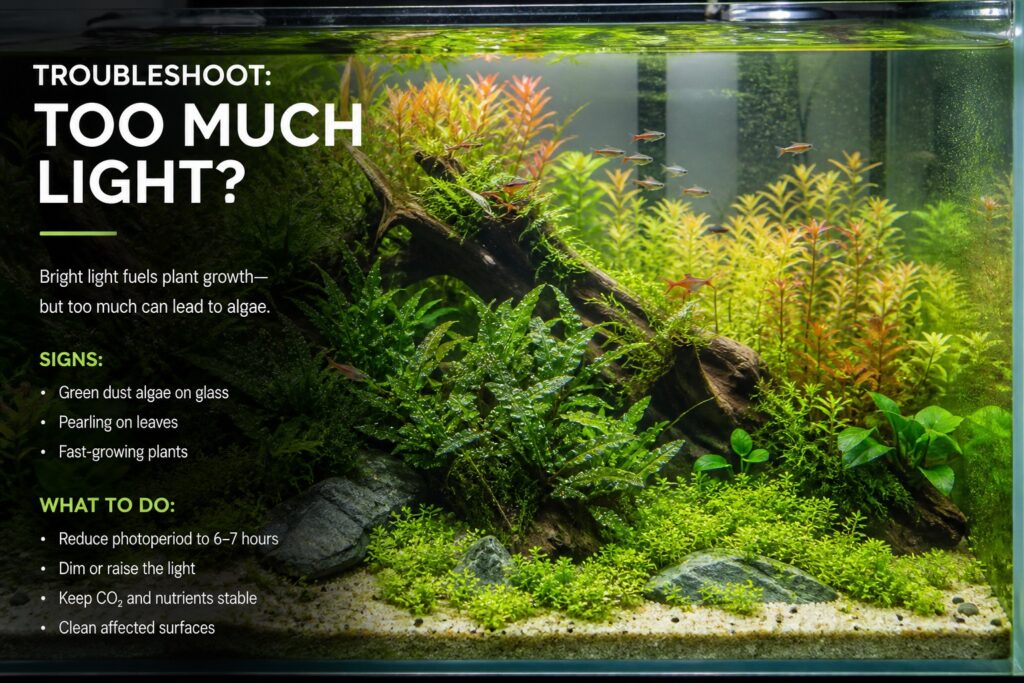
- Control light: Algae usually need light to grow. However, if the light is too strong, it can increase the oxygen levels in the water and harm other organisms in the aquarium. Therefore, you need to control the light by using shade or protective light materials.
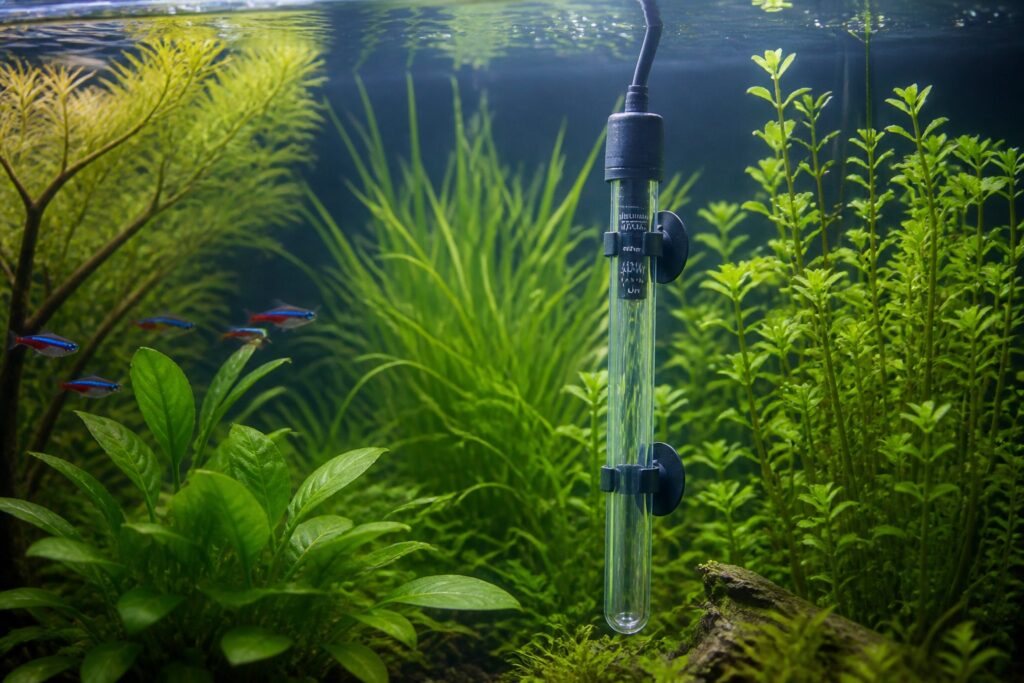
- Control temperature: Algae generally thrive at temperatures between 25-30 degrees Celsius. You need to ensure that the water temperature in the aquarium is suitable for optimal algae growth.
- Use fertilizers: Algae require nutrients to grow. You can use fertilizers to provide the necessary nutrients for the algae. However, you need to control the amount of fertilizer to avoid increasing the concentration of toxins in the water.
- Control pH: Algae usually grow well at a pH of 7-9. You need to monitor the pH in the aquarium to ensure optimal algae growth.
CONCLUSION
Antibacterial and antiviral algae are an effective method to protect organisms in the aquarium from diseases and enhance their health. However, to successfully cultivate algae, you need to choose the right type of algae for the organisms in the aquarium and implement steps to control light, temperature, use fertilizers, and monitor pH.
If you have never cultivated algae in an aquarium before, start by thoroughly researching the types of algae and how to cultivate them. You can seek advice from experts or experienced individuals to cultivate algae most effectively.
Hopefully, this article will help you understand more about antibacterial and antiviral algae in aquariums and how to effectively cultivate algae to protect the health of the organisms in your aquarium.
nguyentlthuy10214@gmail.com