Aquarium is one of the decorative elements in human living spaces. To create a beautiful and well-functioning aquarium, adjusting the pH of the environment in the tank is very important. In this article, we will explore the use of pH adjusters in aquariums.
INTRODUCTION
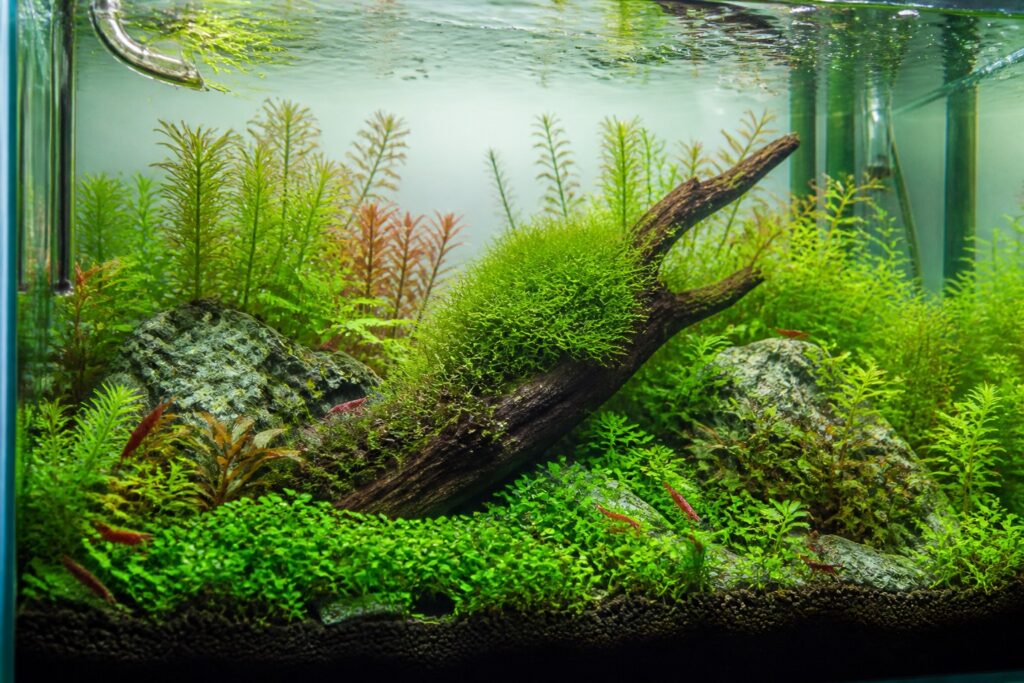
An aquarium is an artificial tank decorated with various ornamental plants, stones, sand, and fish. To create a suitable environment for the growth of organisms in the aquarium, the pH of the water is a necessary factor.
The pH affects the survival of species in the aquarium, as well as the health and growth of the ornamental plants in the tank. Properly adjusting the pH will help make the aquarium more beautiful and maintain the life of the organisms in the tank.
pH ADJUSTERS IN AQUARIUMS

pH adjusters are chemicals used to modify the pH of the water in aquariums. There are many types of pH adjusters used to modify the pH in aquariums. Some common substances used include baking soda, limestone, sulfuric acid, phosphoric acid, and citric acid. Below is some information about each type of pH adjuster:
- Baking soda (NaHCO3): Baking soda is a common pH adjuster in aquariums. It has the ability to raise the pH of the water in the tank while providing the necessary carbonate and bicarbonate ions for the ornamental plants in the aquarium. However, it should be used carefully, as excessive use can increase the hardness of the water.
- Limestone (CaCO3): Limestone is a natural pH adjuster found in nature. It can raise the pH of the water in the aquarium and provide the necessary calcium ions for the ornamental plants in the tank. However, it should be used carefully, as excessive use can increase the hardness of the water.
- Sulfuric acid (H2SO4): Sulfuric acid is a pH adjuster used to lower the pH of the water in aquariums. It can quickly and effectively reduce the pH of the water. However, it should be used carefully, as excessive use can harm fish and plant species in the tank.
- Phosphoric acid (H3PO4): Phosphoric acid is a pH adjuster used to lower the pH of the water in aquariums. It can gently and effectively reduce the pH of the water. However, it should be used carefully, as excessive use can harm fish and plant species in the tank.
- Citric acid (C6H8O7): Citric acid is a common pH adjuster used to lower the pH of the water in aquariums. It can gently and effectively reduce the pH of the water and also provide the necessary nutrients for the ornamental plants in the tank. However, like other pH adjusters, citric acid should be used carefully to avoid harming fish and plant species in the tank.
USING pH ADJUSTERS IN AQUARIUMS
To use pH adjusters effectively, it is necessary to choose the type of substance suitable for the acidity or alkalinity level of the water in the tank. In this section, we will explore how to use pH adjusters in aquariums correctly and effectively to ensure the growth of ornamental plants and fish in the tank.
Determine the current pH of the water in the tank
Before using any type of pH adjuster, you need to determine the current pH of the water in the aquarium. You can use a pH test kit to measure the pH of the water in the tank. If the current pH of the water in the aquarium is not within the ideal range for the type of ornamental plants and fish in your tank, you can use a pH adjuster to modify the pH of the water in the aquarium.
Choose the appropriate pH adjuster
There are various types of pH adjusters for you to choose from, depending on your intended use. For example, if you want to raise the pH of the water in the tank, you can use alkaline pH adjusters like limestone, fly ash, or baking soda. If you want to lower the pH of the water in the tank, you can use acidic pH adjusters like tannic acid, citric acid, or humic acid.
Add the pH adjuster to the water in the tank
After determining the current pH of the water in the aquarium and selecting the appropriate pH adjuster, you need to add it to the water in the tank. Be sure to read the manufacturer’s instructions or recommended ratios to ensure you use the correct dosage and avoid harming the fish and ornamental plants in the aquarium. To ensure the pH adjuster is evenly distributed in the water, you should add it gradually to one area of the tank.
Recheck the pH and adjust if necessary
After adding the pH adjuster to the water in the aquarium, you need to recheck the pH of the water after a few hours to ensure that the amount of pH adjuster has achieved its purpose. If the pH is still not within the ideal range for the type of ornamental plants and fish in your tank, you may need to add more pH adjuster or change the type of pH adjuster to achieve the desired result.
Notes when using pH adjusters
It is important to note that using too much pH adjuster can cause sudden changes in the pH of the water in the aquarium, affecting the health of the fish and ornamental plants in the tank. Therefore, you should use pH adjusters according to the manufacturer’s instructions or recommended ratios, and regularly check the pH of the water in the aquarium to ensure stability and safety for the fish and plants in the tank.

Additionally, it is important to note that the pH of the water in the aquarium can be affected by other factors such as the decomposition of food, fertilizers, fish waste, etc. Therefore, you need to ensure proper cleaning of the aquarium and regularly check the pH quality in the tank to ensure the healthy growth of fish and ornamental plants in the aquarium.
EFFECTIVENESS AND IMPACT OF USING pH ADJUSTERS IN AQUARIUMS
The effectiveness of using pH adjusters in aquariums
Using pH adjusters in aquariums brings many benefits for caring for ornamental plants and fish in the tank. Some effects of using pH adjusters are as follows:
- Helps to quickly and effectively adjust the pH of the water in the aquarium compared to other methods like water changes.
- Improves the health of ornamental plants and fish in the tank. The ideal pH for different species of ornamental plants and fish varies, and using pH adjusters helps bring the pH of the water in the aquarium to a suitable level for those plants and fish.
- Increases the nutrient absorption capacity of ornamental plants. The appropriate pH helps the types of ornamental plants in the aquarium absorb nutrients from the water more effectively.
- Creates a suitable living environment for fish in the tank. The appropriate pH helps fish in the aquarium thrive better and reduces the risk of diseases related to water pH.
The impact of using pH adjusters in aquariums
Although using pH adjusters in aquariums has many benefits, it can also cause some negative impacts as follows:
- Overdosing pH adjusters can cause sudden changes in the pH of the water in the aquarium, affecting the health of the fish and ornamental plants in the tank.
- Using pH adjusters incorrectly can have negative effects on the natural environment, causing pollution and reducing the water quality in the aquarium.
- Using inappropriate pH adjusters can affect the growth of ornamental plants and fish in the tank. If the pH is too high or too low, the plants and fish in the aquarium may not thrive or even die.
- Using pH adjusters incorrectly can also reduce the effectiveness of other methods such as water changes or using filters.
- Some pH adjusters can affect the health of humans and other animals if used improperly or in excess.
Therefore, to achieve the highest effectiveness and minimize negative impacts on the environment and the health of fish and ornamental plants in the aquarium, the use of pH adjusters in aquariums should be done correctly and according to the manufacturer’s instructions. Additionally, regular checks of water quality in the aquarium and pH adjustments when necessary are essential to ensure a suitable living environment for ornamental plants and fish in the tank.
CONCLUSION
In this article, we have explored the importance of adjusting pH in aquariums and common types of pH adjusters. Properly adjusting the pH will help make the aquarium more beautiful and maintain the life of the organisms in the tank. However, the use of pH adjusters needs to be done correctly to minimize negative impacts on the environment and the health of fish and ornamental plants in the aquarium.
We need to consider the impact of using pH adjusters on the health of humans and other animals. We must ensure that these substances are used according to guidelines and regularly check the water quality in the aquarium to ensure the best living environment for ornamental plants and fish in the tank.
Finally, using pH adjusters in aquariums is an important and useful method to help maintain the best living environment for ornamental plants and fish in the tank. If done correctly, it will enhance the effectiveness of other methods and ensure a healthy living environment for our aquariums.
[email protected]