Tiger Lotus is an eye-catching aquatic plant that is loved in the world of ornamental plants. With its attractive appearance resembling that of a lotus, Tiger Lotus can be planted in aquariums or aquatic ponds, creating a fresh and green space for living environments. Below is a detailed guide on how to plant and care for Tiger Lotus for those interested in this plant.
General Introduction to Tiger Lotus
Tiger Lotus originates from Africa and Asia. This is a deep red aquatic plant with veins, and depending on the light, it will gradually fade to green. The leaves have striped spots resembling the fur of a tiger. This is also the reason for the name “Tiger Lotus.” Additionally, Tiger Lotus is scientifically known as Nymphaea Lotus Zenkeri.

Techniques for Planting Tiger Lotus
Step 1: Prepare Materials and Tools
- Aquatic Tiger Lotus
- Curved lotus stems (if shaping is desired)
- Aquatic grass carpet
- Aquatic paving stones
- Aquatic planting tools (scissors, pliers, knife)
- Aquatic lighting
- Aquarium

Step 2: Prepare the Aquarium
- Clean the aquarium by scrubbing the bottom and items with diluted saltwater or clean water
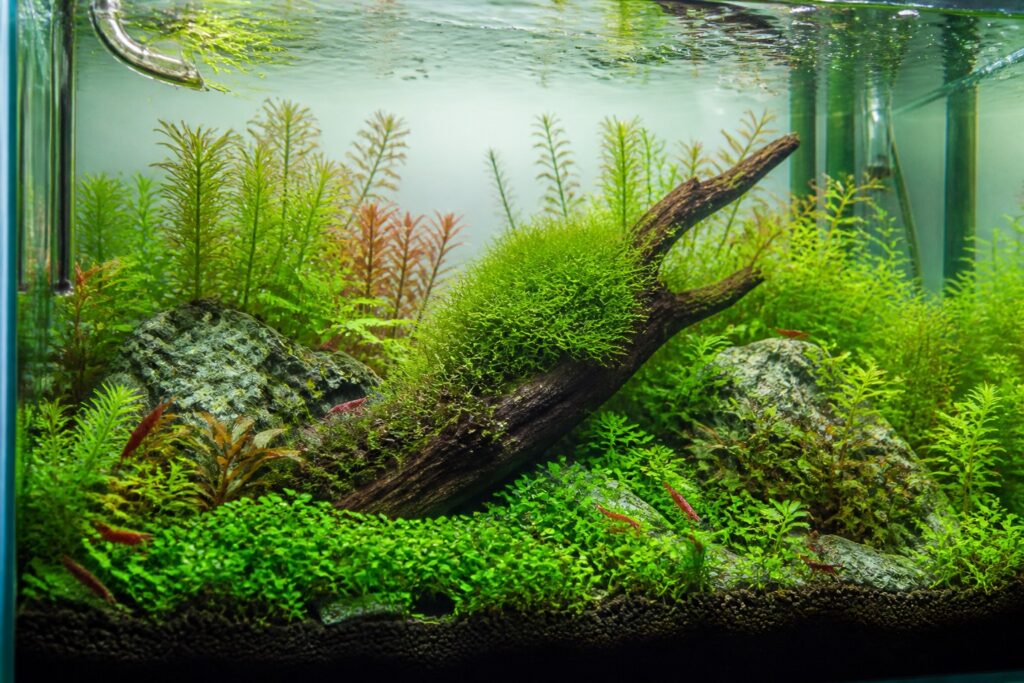
- Arrange the aquatic paving stones at the bottom of the aquarium to create an attractive terrain
- The aquatic grass carpet should be placed on top of the paving stones. You can cut the grass carpet to fit the size of the aquarium to create a uniform aquatic grass area or leave some gaps to create open spaces.
Step 3: Planting Aquatic Tiger Lotus
- Before planting Tiger Lotus, wash it thoroughly with clean water to remove impurities and debris.
- If you want to shape the Tiger Lotus, use the curved lotus stems to bend the Tiger Lotus into the desired shape.
- Place the Tiger Lotus into the aquatic grass carpet or paving stones. Ensure that its roots are buried under the layer of aquatic soil.
- Use scissors and a knife to trim excess leaves and branches or break off damaged stems on the Tiger Lotus.
Care Techniques for Tiger Lotus
To care for Tiger Lotus effectively, we need to pay attention to a few important techniques:
Regular Water Changes
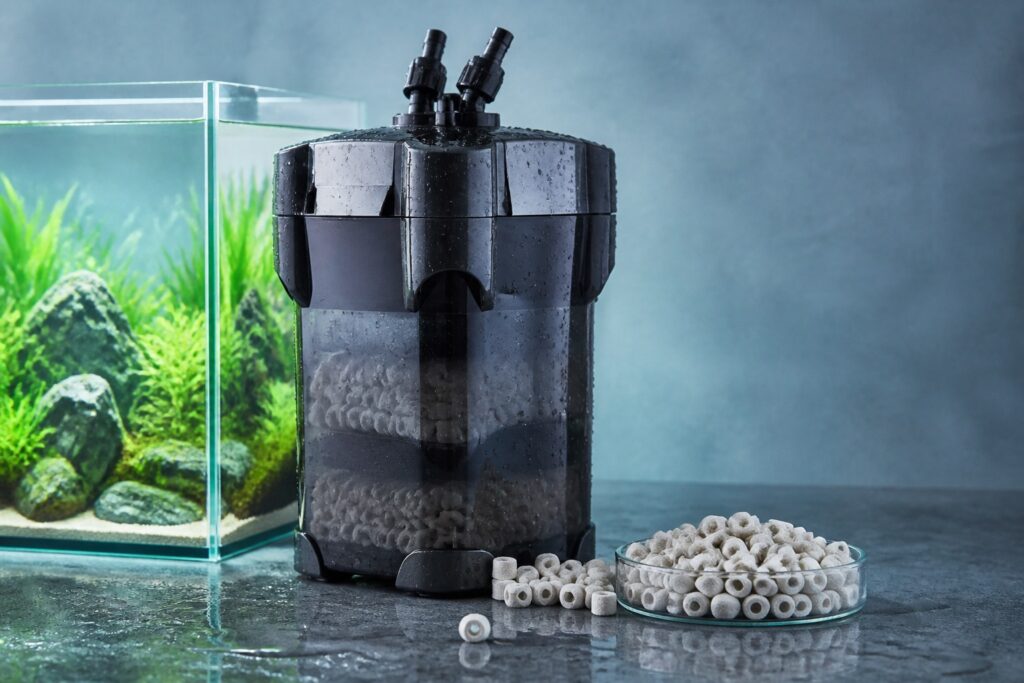
To keep the water in the aquarium or aquatic pond clean, regular water changes are necessary, at least once a week. Fresh water will help the Tiger Lotus grow better while minimizing the risk of diseases and algae developing in the water environment.
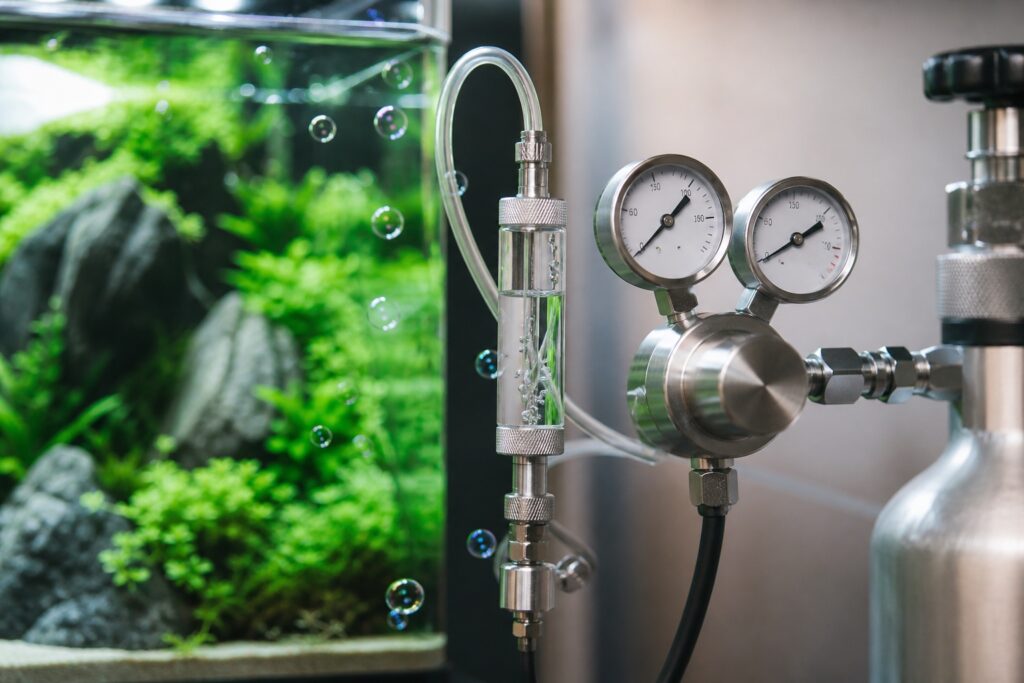
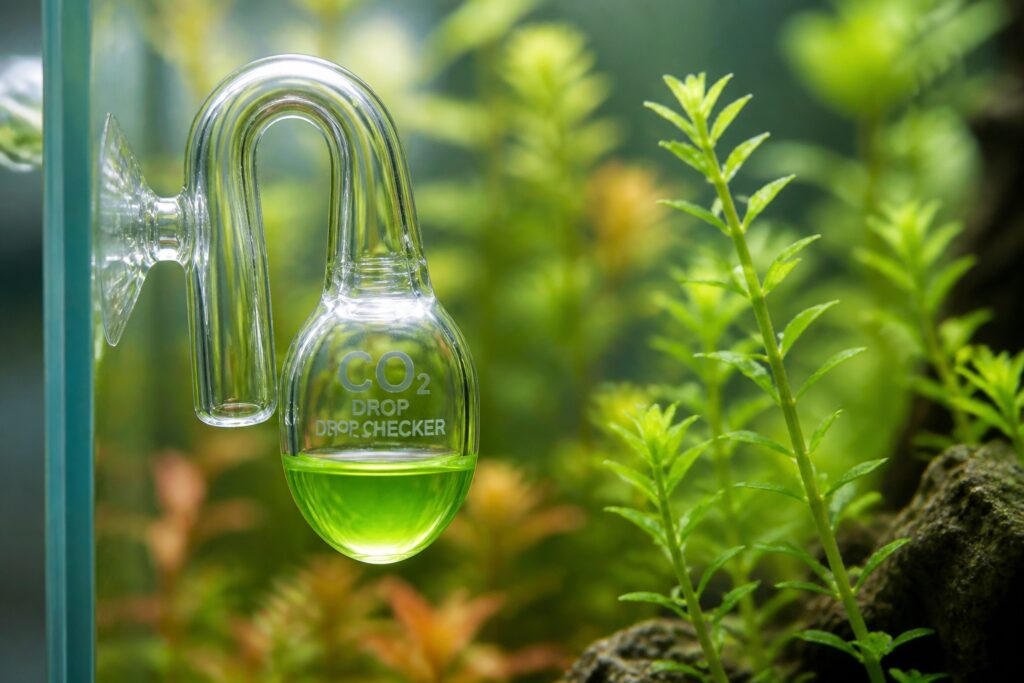
Provide CO2
If you want the plant to grow better, you can provide CO2 for the aquatic environment. CO2 helps the plant absorb nutrients better and speeds up growth.

Check Water pH
The pH of the water also affects the growth of Tiger Lotus. The pH should be checked regularly to ensure that the water in the aquarium or aquatic pond has suitable pH values for the plant’s growth.
Prune the Plant
Tiger Lotus needs to be pruned regularly to remove dry or damaged leaves. If dry or damaged leaves are left on the plant, they can pose a risk of diseases and algae developing in the water environment.
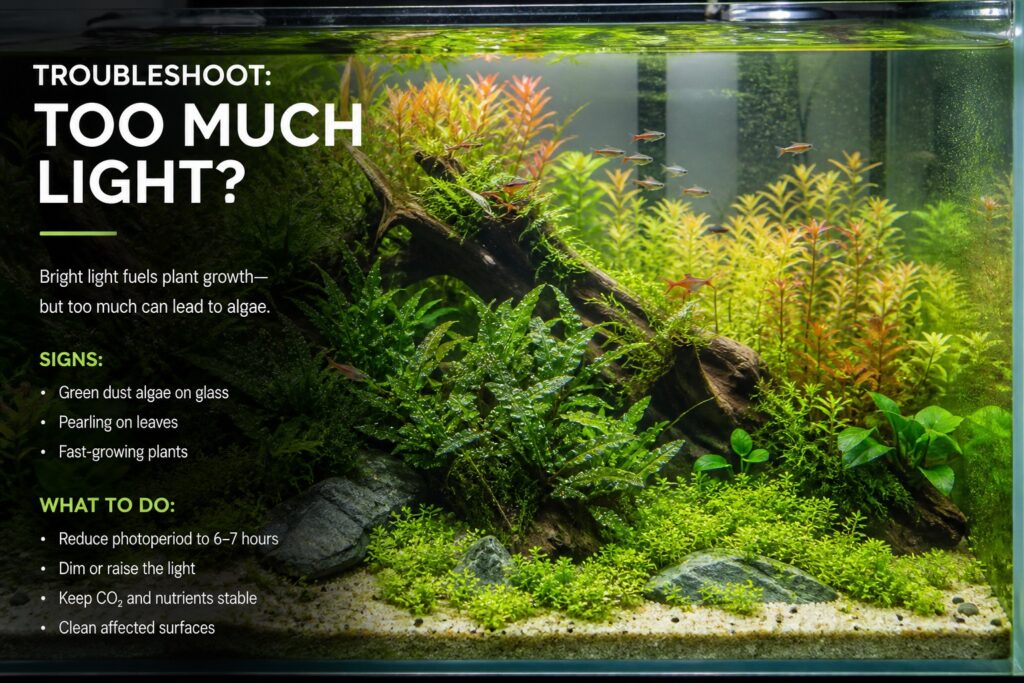
Adjust Lighting
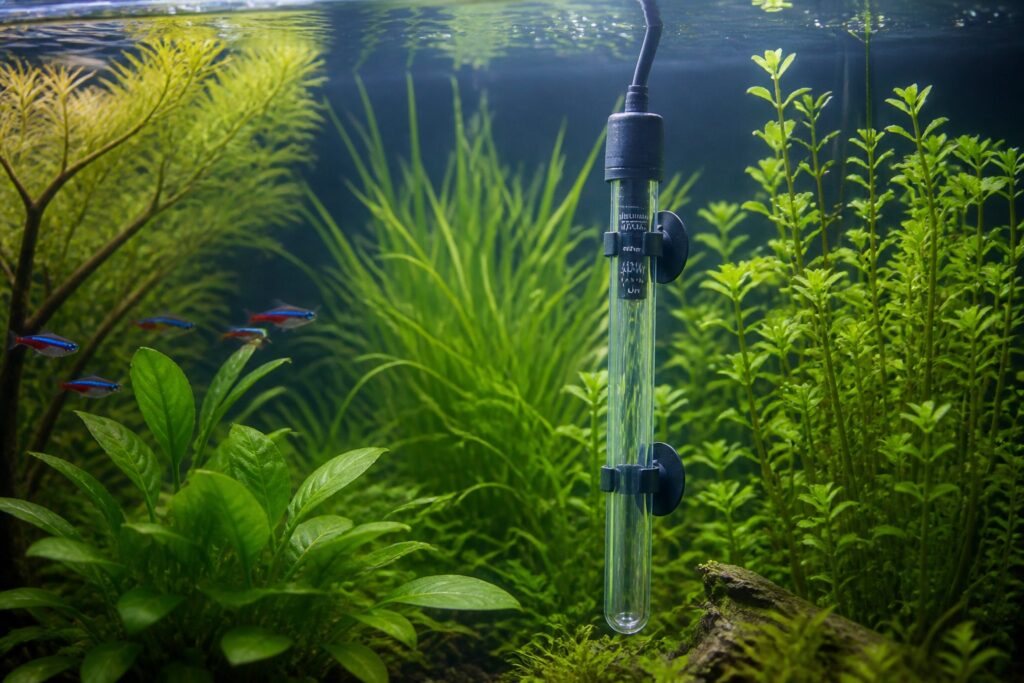
Light is an important factor in the growth of Tiger Lotus. The plant needs at least 8 to 10 hours of light each day to grow well. Without sufficient light, the plant may wilt or grow slowly.
Some Important Notes When Planting and Caring for Tiger Lotus
Although Tiger Lotus is a relatively easy plant to grow and care for, there are still some common issues that growers need to be aware of. Here are the common problems and solutions when planting and caring for Tiger Lotus:
The Plant Does Not Grow
If the Tiger Lotus does not grow, it may be due to insufficient light, lack of nutrients, or an inadequate growing environment. Growers need to ensure that they provide adequate light, nutrients, and keep the growing environment clean.
The Plant Has Root Rot
When noticing that the roots of the Tiger Lotus are rotting, growers need to check if the growing environment has sufficient circulation, enough oxygen, and reduce the frequency of watering to avoid water pooling at the base of the plant.
The Plant Dies Suddenly
If the Tiger Lotus dies suddenly, it may be due to pollution in the growing environment or being attacked by harmful bacteria or fungi. Growers need to check and ensure that the growing environment is always clean, especially when adding new water or fertilizers.
The Plant is Attacked by Pests
Tiger Lotus can be attacked by pests, causing damage to the plant and reducing its durability. Growers need to use insecticides to eliminate pests, but they should be careful with the amount used to avoid harming the plant.
The Plant Has Leaf Holes
Tiger Lotus can have holes in its leaves caused by small pests or algae. Growers need to observe regularly to detect early and use insecticides to eliminate pests.
[email protected]