Bird budget setup
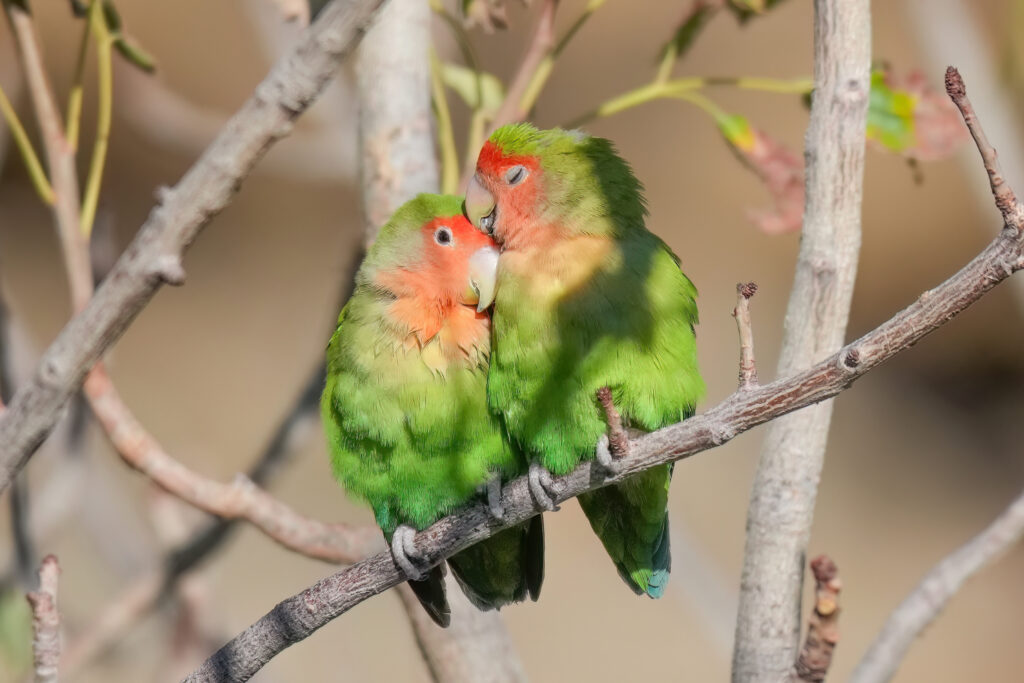
Pair of Lovebirds Full Setup Under $200
Ornamental bird
A lovebird pair under $200 is possible if the cage is actually pair-sized and you buy two food stations, pellets, and chew-proof toys. The birds themselves often blow the cap — this BOM is the hardware.
- Under $200
- Pair BOM
- Two stations
- Chew-proof
Quick facts
| Target budget | ≈ $160–$220 hardware (birds extra) |
|---|---|
| Cage | Larger than a single; ≥24 in wide if possible |
| Bar spacing | 1/2 inch, sturdy latches |
| Food | Two pellet cups + two waters |
| Toys | Wood/palm shreddables ×3 (they destroy fast) |
| Skip | Nest boxes unless you intend to breed |
| Quarantine | 30 days if birds come from different sources |
| Species guide | Lovebird care — bite + noise realism |
Overview
Two lovebirds in a single-bird cage is the #1 cheap-setup failure. They need width, two resource stations (to reduce bullying), and chew-proof hardware. Read lovebird care and small cages (or large cages if you want aviary-style).
If you wanted one handle-tame bird instead, a single lovebird or a budgie starter is a different product. First-bird matrix: what bird to get first.
Setup steps
-
Step 1
Buy pair width, not a cute dome
Aim for at least 24 inches wide when you can. Secure latches — lovebirds open cheap doors. 1/2 inch bars.
-
Step 2
Two of everything edible
Two pellet cups, two waters, two cuttlebones if they guard resources. Place at opposite ends.
-
Step 3
No nest hut on a starter pair
Huts trigger eggs and fights. Breeding is a separate project with hen health risk (egg binding).
-
Step 4
Introduce slowly if not already bonded
Side-by-side cages first if they did not arrive as a pair. Watch for blood — separate immediately.
-
Step 5
Noise + neighbor plan
Pair contact calls are loud. Cover 10–12 hours. Apartment walls matter more than Instagram photos.
Common problems
One bird guards all food
Why: Single station + hormonal pair.
Fix: Second bowls at the other end; more width.
Spring fighting after a peaceful winter
Why: Breeding frustration + nest-like toys.
Fix: Remove huts, slightly shorten daylight, separate if blood.
Destroyed every toy in 48 hours
Why: Normal lovebird beaks.
Fix: Budget wood/paper toys as consumables, not heirlooms.
Bought a pair to 'keep each other company' then ignored them
Why: Pairs still need clean water, foraging, and vet care.
Fix: They are not decorations. See screaming and fluffed triage pages.
Do not mix in this BOM cage
Gear for this species
Lovebird care guide — Hardware BOM only — read care before adding a third bird or a nest
FAQ
Is $200 enough for two lovebirds all-in?
Often no — birds + vet exceed hardware. This page is cage/food/toys.
Can two lovebirds share a budgie cage?
Not ethically. They need more width and two resource stations.
Do I need a nest for a pair?
No, unless you intend to breed and can handle hen emergencies.
Should I DNA-sex the pair?
Useful if you want to avoid accidental breeding. Same-sex pairs still need space.
Will a pair tame to me?
Often they prefer each other. Get a single if you want a one-person bird.
What if they fight?
Separate at first blood. Rehome or house side-by-side. Not every two lovebirds 'love'.
Aqua Plants Hub Editorial