The living environment is an important factor in the growth and development of ornamental fish. If you want to keep ornamental fish, you need to understand the characteristics of the surrounding environment, especially when using tap water for fishkeeping and the things to pay attention to.
1. Why is it necessary to treat tap water when keeping ornamental fish
Using tap water for ornamental fishkeeping is very common today; however, it is a source of water contaminated with many solid impurities and chemical toxins, causing a fish mortality rate of up to 95% compared to keeping fish in other water sources.

If the tap water is contaminated with impurities and is not treated before keeping fish, you will notice signs of fish refusing to eat, weakness, pale coloration, twitching, and death.
We need to know how to treat tap water for ornamental fishkeeping before pumping it into the tank. Doing so will allow the fish to absorb sufficient nutrients to be healthy and grow. The tank will also be cleaner, with fewer harmful bacteria, algae, and fungi.
2. How to treat tap water when keeping ornamental fish
2.1 How to remove chlorine from tap water
Chlorine and fluoride in tap water are substances that are difficult to filter and disinfect.
There are many simple ways to remove chlorine or fluoride, including:
- Sun exposure to remove chlorine: Store tap water and let it sit in the sun for a few days.
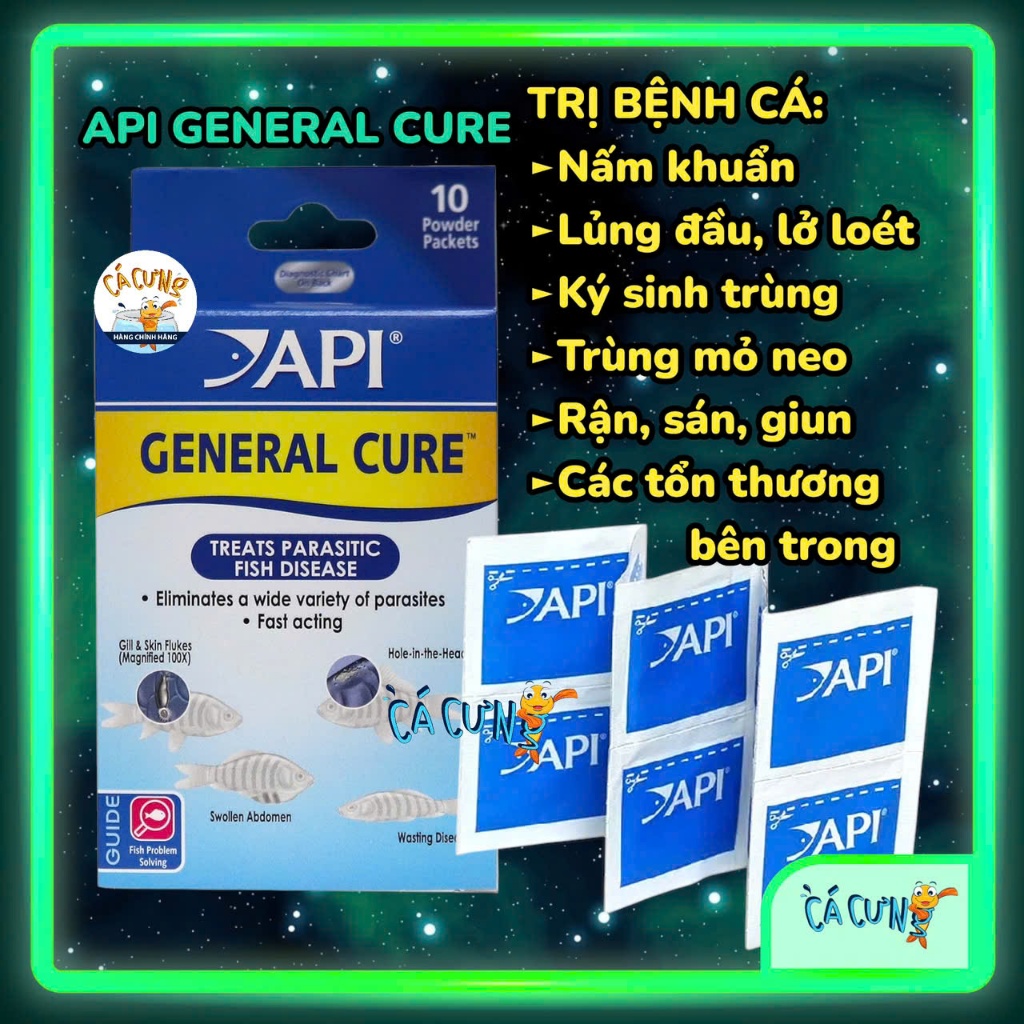
- Use specialized chlorine removal solutions (powder, liquid).
- Use vitamin C or effervescent vitamin C tablets to neutralize chlorine.
2.2 Eliminating bacteria and germs
The method of treating tap water for ornamental fishkeeping includes disinfection. You should use some types of disinfectants or UV sterilization lamps in the water.
However, the most important thing is to filter the incoming water. Clean water will reduce the chances of bacteria and germs proliferating. Additionally, you need to check the health of the fish to prevent sick fish from spreading disease to the water and other fish.
2.3 Changing water and removing solid impurities when adding to the fish tank
Before completely changing the water for the fish tank, we need to remove all the fish from the tank and then clean the tank and change the water. You should disinfect and filter the water before adding it to the fish tank using water filtration systems to ensure the best hygiene.
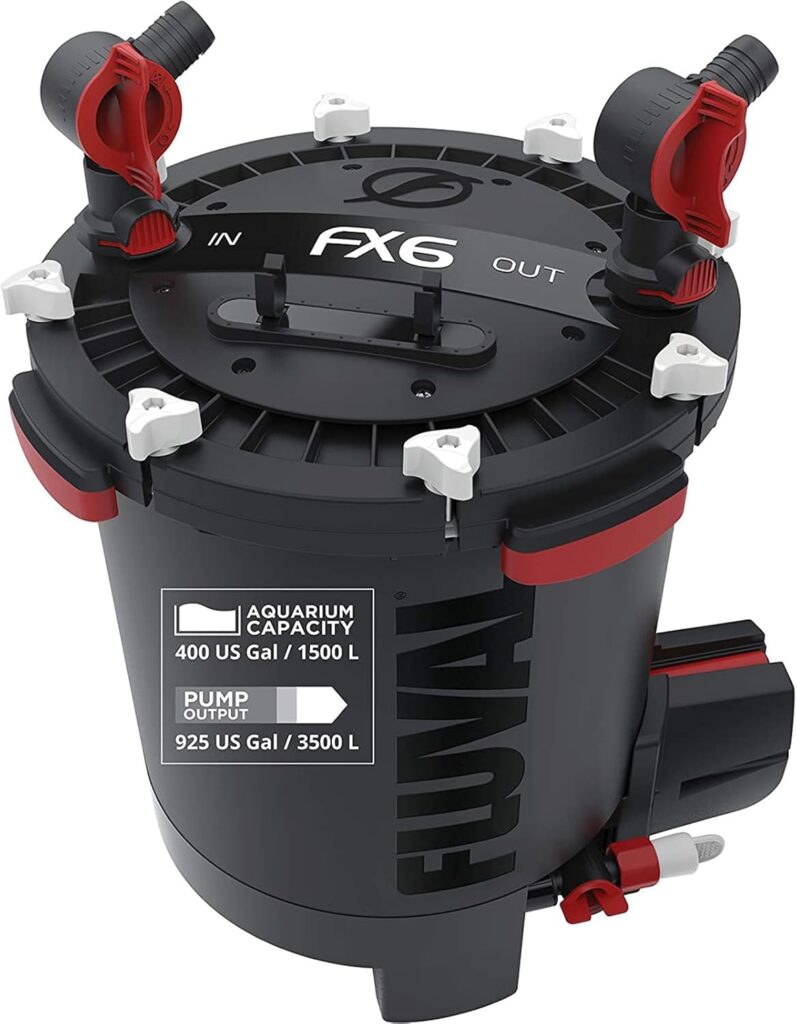
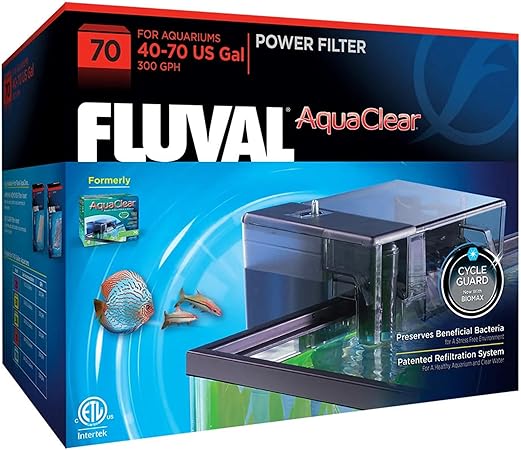
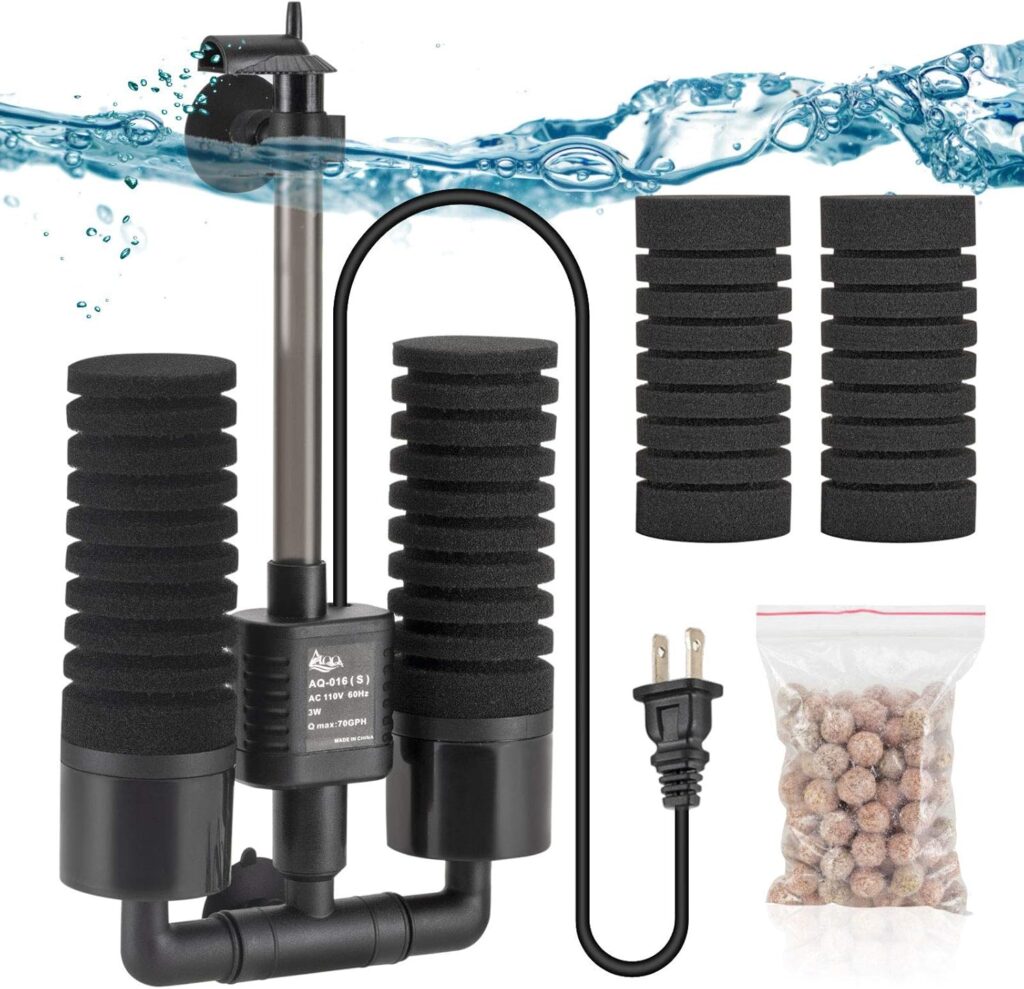
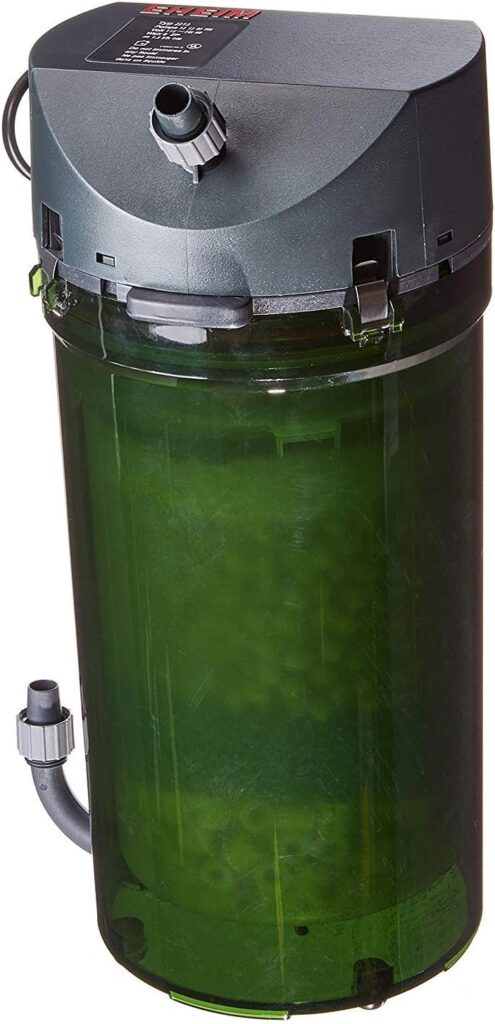
You can use tank filters or overflow filters for the water before adding it to the tank. Solid impurities that are not dissolved in water will have larger sizes, making them easier to filter out.

Regular water changes are necessary for the fish tank
Depending on the needs of each fish keeper, we will have different tank sizes. Based on the fish density in the tank, if we keep many fish, we will need to change the water frequently due to contamination from leftover food, debris, dirt, odors, bacteria, fungi… Additionally, it is important to clean and scrub decorative items and keep the tank clean.
Pay attention to the timing of water changes
There are specific methods and tools to extend the fishkeeping time while keeping the fish healthy, saving time and preventing diseases.

How to clean the fish tank
+ Use a siphon: Use this tube to suck out dirt without necessarily changing the water frequently.
+ Use a water filtration system: Water filtration systems will help filter out pollutants from the water source, such as leftover food and debris.
Need to change the fish tank water appropriately
Changing the fish tank water regularly is essential to keep the fish healthy. Before adding water, you need to let the water sit in a clean container for about 2-3 days to allow chlorine gas to dissipate, preventing fish from getting poisoned. Do not change all the water in the tank to retain beneficial microorganisms for the fish and avoid shocking the fish due to the new environment.
Next, change the old water and pour new water into the tank. Do not change the water too many times in a week as fish need a stable environment to thrive.
Đào Thị Thảo Dung