Equipment Review
Aquasoil vs Dirted vs Sand Cap (2026): Which Substrate Method Wins?
Active aquasoil, mineralized dirt caps and inert sand each build a planted tank differently — startup ammonia, buffering and rescape difficulty included. This head-to-head compares three representative Amazon products for each method, not a repeat of our full substrate roundup. See the category hub at best planted tank substrates, estimate bag counts in the calculator hub, and align your layer plan with a budget setup list before ordering soil and cap sand separately.
Quick comparison
All options in this guide
| Product | Method | Best for | Bag size | Price ~ | Rating | Buy |
|---|---|---|---|---|---|---|
| Planted tank | High-tech CO2 | 9L | ~$135.99 | |||
| Planted tank | Low–mid tech | 3–9L | ~$135.99 | |||
| ~$23.99 |
Best for high-tech carpets
Editor's choiceLanden Aqua Soil Substrate for Natural Planted Aquarium, Plant or Shrimp Stratum, Clay Gravel and Stable Porous Substrate for Freshwater Aquarium, Black Color 40lbs
· 1 reviews
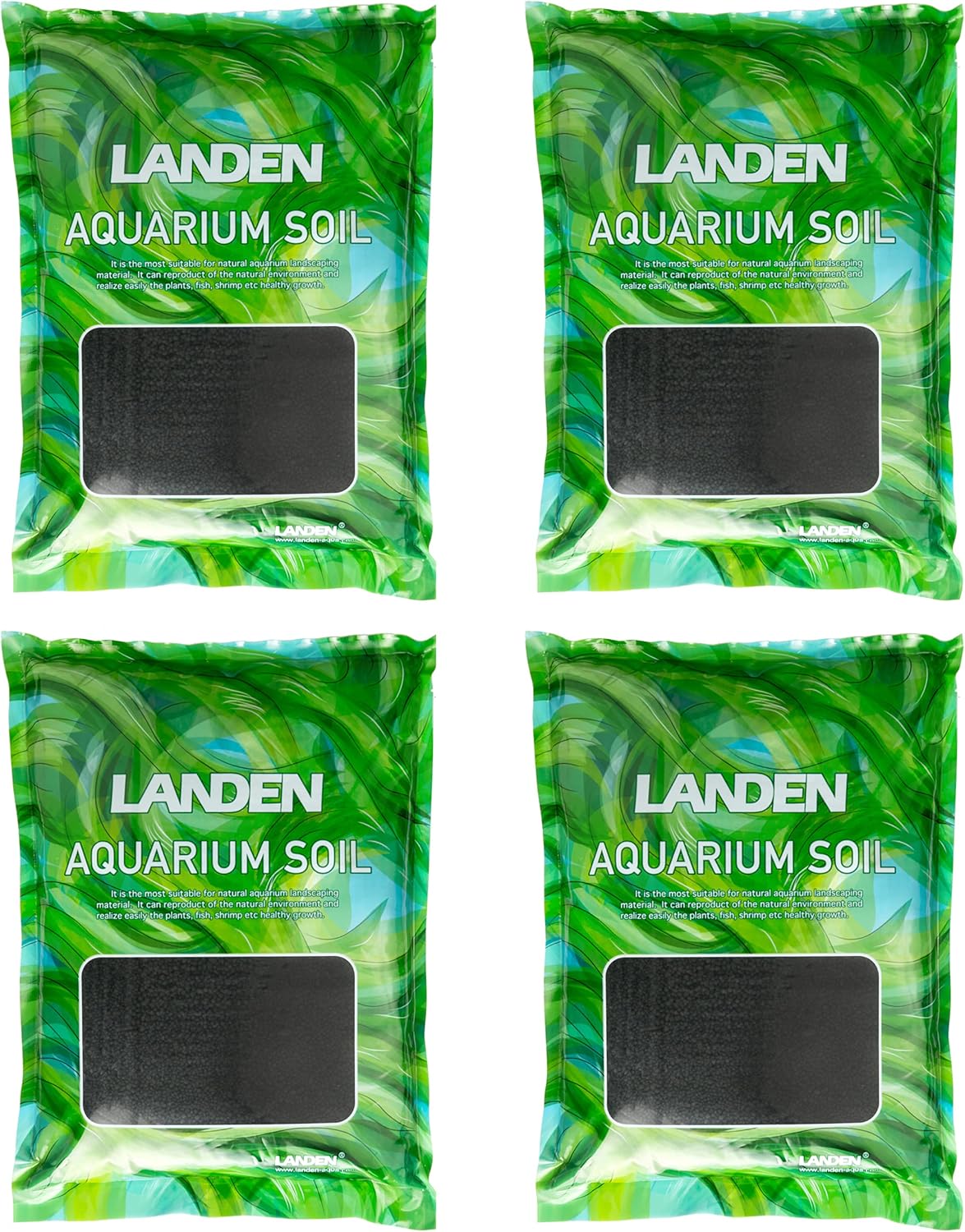
ADA Amazonia Normal 9L represents the aquasoil method — strong buffering, carpet-grade nutrition and the predictable high-tech path when you accept first-week ammonia and premium bag pricing.
Pros
- 【Made by Nature】Made from specially processed natural material from the earth, Ideal natural planted aquarium substrate for most aquatic plants, provides healthy plant root system and for shrimps…
- 【For Healthy System】Developed for cultivation of aquatics plants and is also suitable substrate for shrimps. It provides fundamental minerals and trace elements, rich in organic acids and nitrogen…
- 【 High-Quality Effect】Its porous structure creates an attractive and stable breeding ground for beneficial bacteria that keep your aquarium water clean. This product can reproduce the mildly acidic…
- 【Safe to Use】This product is ready-to-use and does not require rinsing. To install, place a bowl or plastic bag in the aquarium and gently add water, allowing it…
Cons
- Price varies by seller and region
- Check tank size and specs before buying
- May require extra accessories depending on setup
| Product | Landen Aqua Soil Substrate for Natural Planted Aquarium, Plant or Shrimp Stratum, Clay Gravel and Stable Porous Substrate for Freshwater Aquarium, Black Color 40lbs |
| Brand | Landen |
| Use case | Planted tank / aquascape |
| Availability | Amazon / international |
| ASIN | B09CYTV8SG |
Best dirted/Walstad value
Best valueLanden Aqua Soil Substrate for Natural Planted Aquarium, Plant or Shrimp Stratum, Clay Gravel and Stable Porous Substrate for Freshwater Aquarium, Black Color 40lbs
· 1 reviews
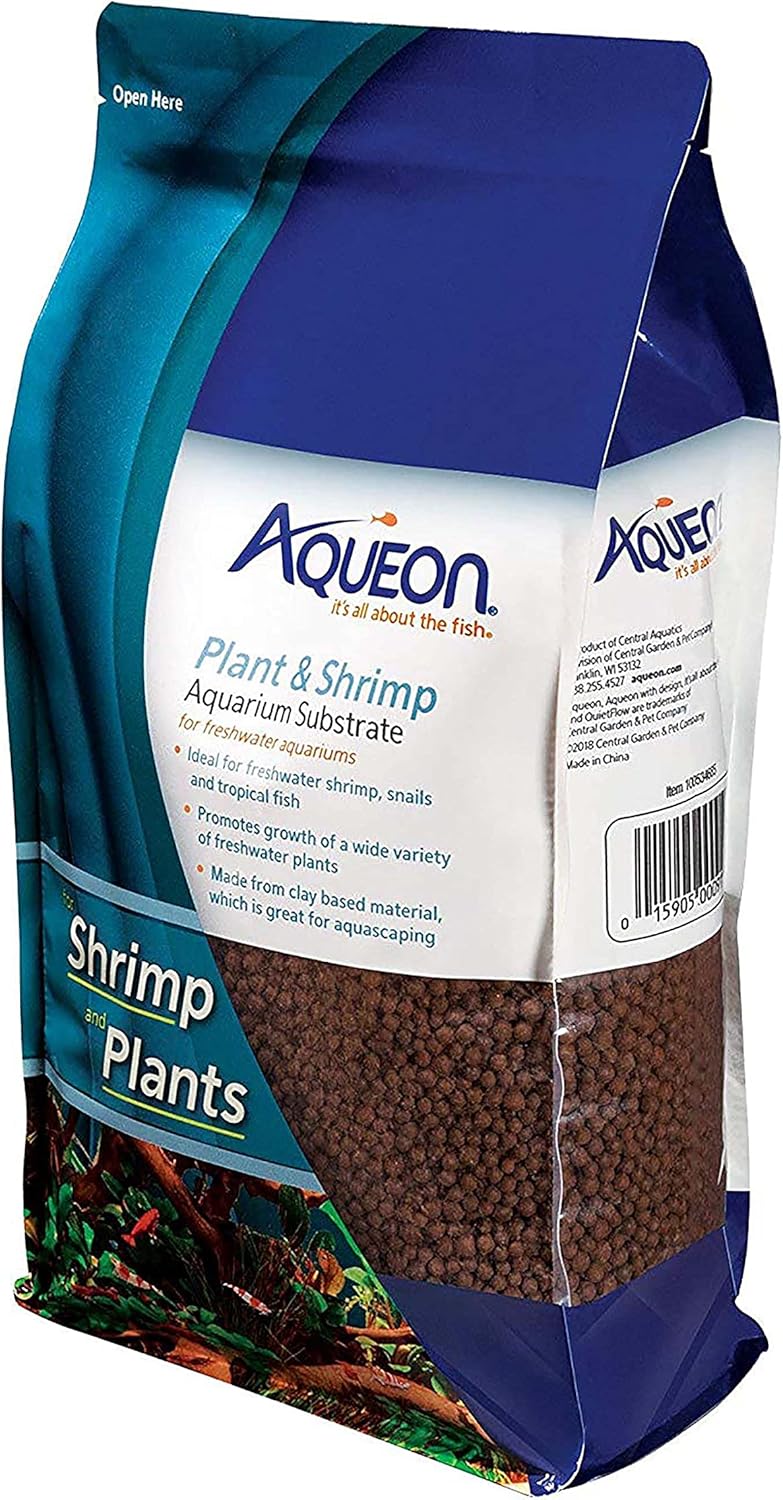
A dirted base with capped layers (mineralized organic soil under a sand cap) is our Walstad value verdict — lower long-term cost and years of root fertility if you mineralize soil and cap thickness correctly.
Pros
- SUPPORTS HEALTHY PLANT GROWTH by providing a stable foundation for newly planted and established freshwater aquatic plants
- IDEAL FOR PLANTED AQUARIUMS, SHRIMP HABITATS AND AQUATIC TURTLE SETUPS, creating a natural environment for a variety of freshwater species
- PREMIUM CLAY-BASED SUBSTRATE maintains its spherical shape over time without breaking down into compacted soil
- GREAT FOR AQUASCAPING PROJECTS, helping create natural underwater landscapes and visually appealing aquarium layouts
Cons
- Price varies by seller and region
- Check tank size and specs before buying
- May require extra accessories depending on setup
| Product | Aqueon Plant and Shrimp Aquarium Substrate, Aqua Soil for Fish Tanks, 5 Pounds |
| Brand | Aqueon |
| Use case | Planted tank / aquascape |
| Availability | Amazon / international |
| ASIN | B07HGKK59Q |
Best shrimp sand-cap
CaribSea Super Naturals Aquarium Sand, 50-Pound, Peace River
· 1 reviews
CaribSea Super Naturals Sand anchors the inert sand-cap method — shrimp-safe when cycled, easiest rescapes and lowest startup ammonia, paired with root tabs or liquids for anything beyond moss and Anubias.
Pros
- Natural riverbed appearance for aquascapes
- pH neutral — safe for freshwater fish and shrimp
- Fine grain ideal as cap sand over active soil
- Pre-washed — rinse before use
Cons
- Price varies by seller and region
- Check tank size and specs before buying
- May require extra accessories depending on setup
| Product | CaribSea Super Naturals Aquarium Sand |
| Brand | CaribSea |
| Use case | Planted tank / aquascape |
| Availability | Amazon / international |
| ASIN | B001CUNZ0K |
Buying guide
How to choose the right product
Substrate method choice locks in your first-month ammonia curve, KH buffering and how painful rescapes will be three years later. Use the comparison table for product anchors, then apply the decision cards to your target plants, CO₂ level and shrimp plans.
Startup ammonia
Active aquasoil leaches ammonia week one — fishless cycle or daily water changes. Dirted bases can spike too if organic soil is too rich; sand caps alone stay inert.
Longevity & buffering
Amazonia-class soils buffer KH/pH 12–24 months. Dirted Walstad tanks run years on root tabs; sand caps need liquid or root fertilization from day one.
Rescape difficulty
Aquasoil crumbles when disturbed — plan slopes upfront. Dirted rescapes are messy; sand caps are easiest to vacuum and replant but offer no root nutrition.
Shrimp safety
Stratum and inert sand caps are shrimp-friendly when cycled. Heavy Amazonia leach plus ammonia spikes stress Caridina — mature the tank before shrimp.
Frequently asked questions
FAQ
Aquasoil or dirted Walstad for beginners?
Aquasoil is predictable with clear instructions and strong carpet performance. Dirted Walstad is cheaper long-term but less forgiving if organic soil is too hot or the cap is too thin.
Can I use sand cap without aquasoil?
Yes for low-tech and shrimp — use root tabs or liquid ferts. Carpets under pressurized CO₂ usually need active soil or heavy dosing.
Is Amazonia worth the price vs dirt?
For high-tech carpets and stable buffering, yes. Dirted setups win on multi-year cost when you accept slower starts and messier rescapes.
How thick should a sand cap be?
1–2 inches over mineralized dirt — too thin and dirt clouds the water; too thick and roots cannot reach nutrients.
Will aquasoil crash shrimp?
Cycle first — ammonia from fresh soil kills Neocaridina and Caridina. Inert sand caps with mature filters are safer for shrimp-first tanks.
Where are full substrate brand comparisons?
See our planted substrate roundup for ADA, Tropica and Fluval Stratum SKUs beyond these three methods.
More reviews in Reviews