For aquascaping enthusiasts, it is always a desire for their “pets” to be healthy. Unfortunately, if one becomes ill and is discovered late, the condition can worsen, potentially affecting others and leading to the entire tank’s failure. Therefore, aquarists need to equip themselves with sufficient knowledge and understanding to respond promptly. In this article, aquaplantshub.com will explore some common fish diseases, their symptoms, causes, and appropriate treatments.
CAUSES AND PREVENTION METHODS
Almost all fish diseases can stem from stress, weakening their immune systems. Sources of stress can arise from transportation, poor water quality, inadequate filtration systems, inappropriate diets, overcrowding in the tank, continuous lighting 24/7, or injuries from aggression by other fish and insufficient living conditions.
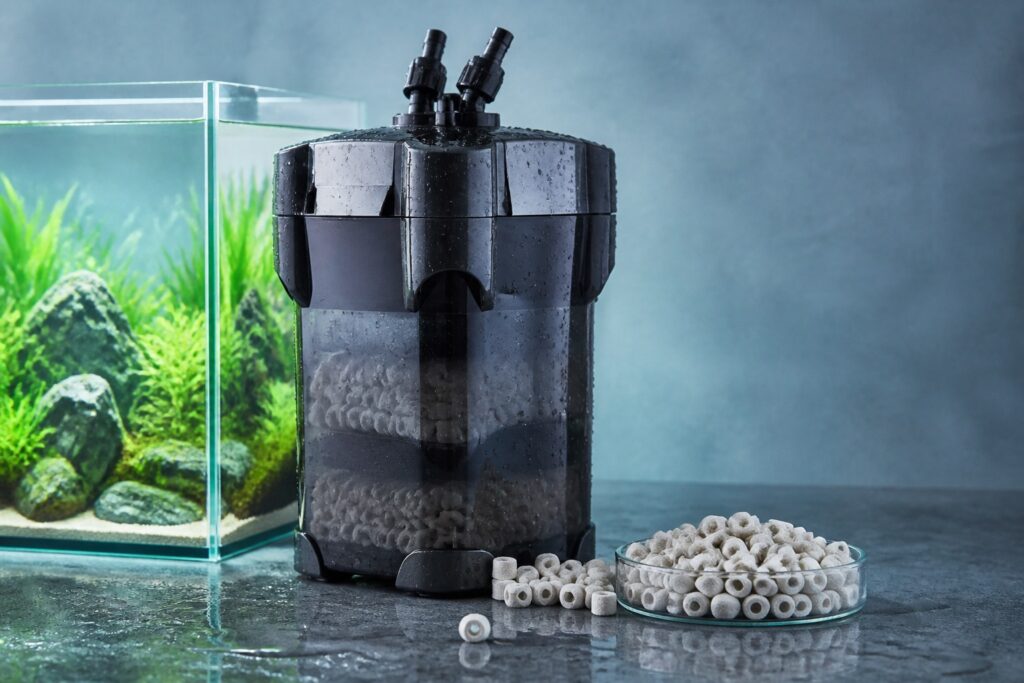
To keep your fish in optimal health, regularly perform partial water changes, diligently maintain the filter, and feed them a varied, high-quality diet. Additionally, you should not overcrowd the tank and set a timer for the lights to simulate a normal day-night cycle. When changing water, always treat tap water with a conditioner before adding it to the tank.
One important note is to never buy fish that have just arrived at the aquarist store. These fish are stressed from long transportation, and moving them again will exacerbate their stress. Wait for them to stabilize for a week or more before purchasing. When bringing new fish home, acclimate them to the pH and temperature of your aquarium for at least 30 minutes, allowing more time for sensitive species. Ensure there are plenty of hiding spots for all your fish and rearrange decorations if necessary to prevent established territorial fish from harassing newcomers. After adding new fish to your aquarium, turn off the lights for a few hours to help them adjust to the new environment. Do not tap on the glass or suddenly turn on the aquarium lights in a dark room.
SOME COMMON FISH DISEASES
1. Fungal Infections

Symptoms of Fungal Infections
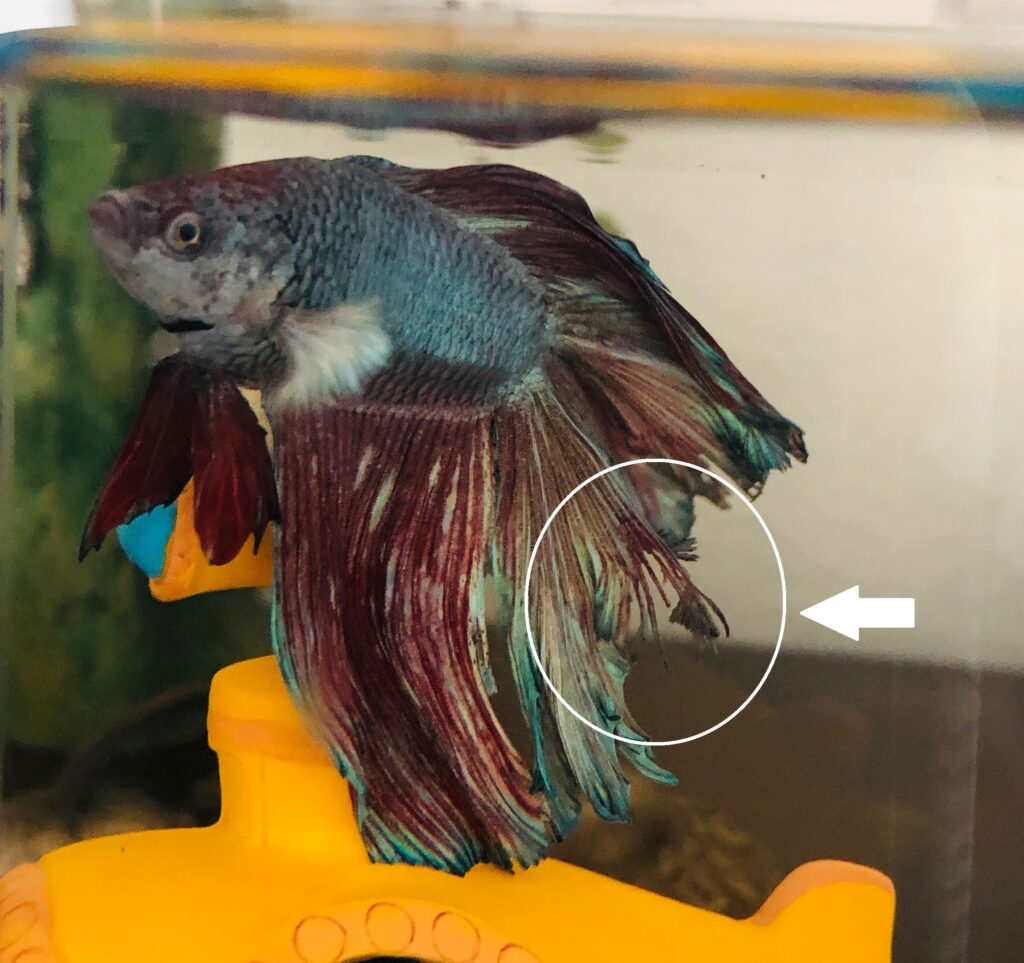
Fungal infections can damage the internal organs of fish. Common signs in infected fish include gray or white cotton-like patches on the skin, gills, fins, and around the eyes. Eventually, the fungus will continue to erode the fish’s body and lead to death.
Causes of Fungal Infections
- Fungal infections are caused by unclean water conditions and decaying organic matter in the tank.
- Fish with fungal infections are already in a vulnerable state, stemming from previous attacks.
- Due to other serious health issues, such as parasites, physical injuries, or bacterial infections.
Treatment for Fungal Infections
The first thing you need to do to treat fungal infections in fish is to thoroughly clean the aquarium. Remove the carbon from the filter and turn off the ultraviolet sterilizer. Then use potassium permanganate mixed into the water in the tank. Treat for 5 consecutive days until all external pathogens have been eliminated from your fish’s skin. Repeat until symptoms are clear. Many bacterial infections are misdiagnosed as fungal infections, so common treatments include both antifungal and antibiotic medications. You can also gradually raise the water temperature, as most of these fungal infections thrive in cooler temperatures.
2. Ich (White Spot Disease)
Symptoms of Ich
- The appearance of white spots resembling grains of salt or sand on the skin is the most evident sign. This disease is sometimes mistaken for others as these spots can cluster together, forming white patches similar to fungal symptoms.
- Fish will rub against objects in the tank due to skin irritation causing itching.
- Fish are reluctant to eat.
- Fish fins are clamped more than usual.
- Gasping at the water’s surface indicates that the fish are lacking oxygen. They try to swim to the surface or move closer to the filter for easier oxygen absorption.

Causes of Ich
- Ich is one of the most common and persistent parasitic diseases found in aquariums. It occurs when a single-celled organism attacks and attaches to the body, fins, and gills of fish.
- The primary cause of this disease is a sudden drop in temperature. This can happen during winter months or if you change water at a lower temperature.
- The disease can occur when you introduce a carrier species into a poorly maintained aquarium. For example, decorations or plants carrying cysts.

Treatment for Ich
Once the parasites have established themselves in your aquarium, it is challenging to control them due to their rapid reproduction rate. If not addressed early, the mortality rate is 100%.
- Currently, Ich is very common, so you can easily purchase medication from a nearby aquarist store or online. Follow the instructions carefully and remove carbon from your filter when using the medication.
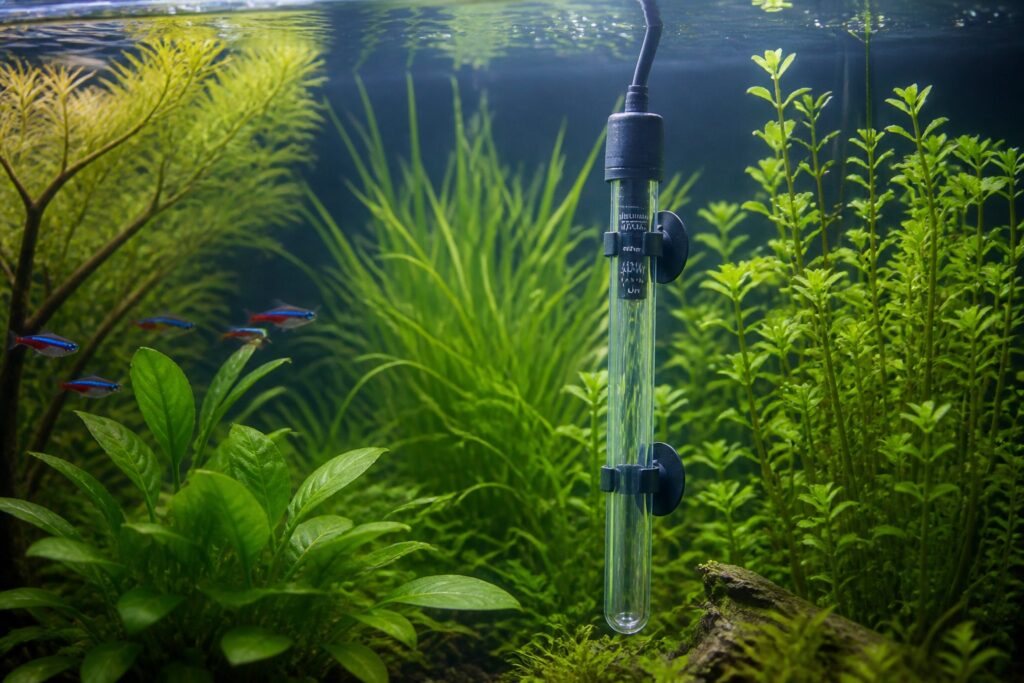
- You should also use other treatment methods alongside medication. Raise the water temperature up to 30 °C if your fish can tolerate it, as this will help speed up the life cycle of the parasites.
- Combining aquarium salt when the temperature increases will help eliminate the parasites even more effectively. Salt can disrupt the fluid regulation of the disease and help the fish’s natural slime coat protect it from parasites.
3. Pop Eye Disease
Pop eye disease, also known as exophthalmia, is caused by hemorrhaging from the capillaries in the eye socket, affecting one or both eyes.
Symptoms of Pop Eye Disease
- Fish lose control of direction when swimming due to cloudy eyes from blood vessels, cloudiness, or worse, loss of vision.
- Fish eyes are swollen.
- One or both of the fish’s eyes protrude abnormally.

Causes of Pop Eye Disease
- Bacterial infections.
- Due to vitamin A deficiency, mass behind the eye.
- Poor water conditions prolonged over time.
Treatment for Pop Eye Disease
– You need to check the water quality in the tank and thoroughly clean the aquarium.
– Pop eye disease can be difficult to treat as it involves three different issues: corneal damage, fluid accumulation behind the eye, and bacterial infection.
– A balanced diet rich in vitamins can improve minor corneal damage over time.
– Look for antibiotic and antibacterial medications at aquarist stores for timely treatment.
4. CO2 Poisoning
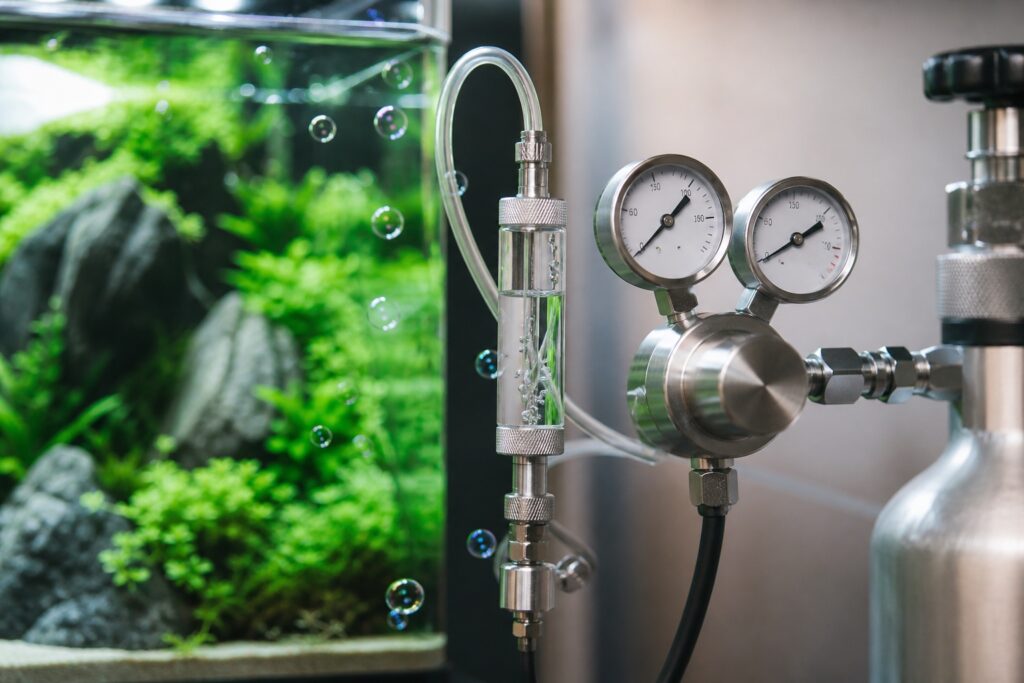
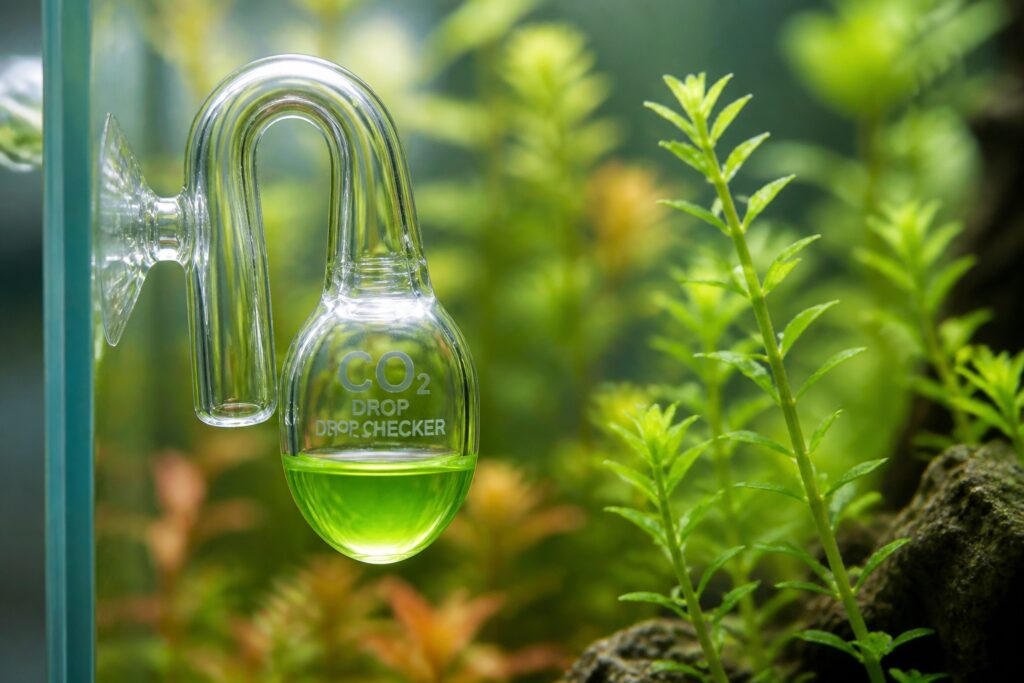
CO2 levels above 30 ppm can be dangerous for your fish. This issue can arise in tanks using CO2 injection methods in aquascaping.
Symptoms of CO2 Poisoning
If your aquarium has high CO2 levels, you will notice that your fish are breathing more rapidly and may be gasping. You may also observe that the fish are spending more time near the surface of the tank.

Causes of CO2 Poisoning
CO2 poisoning in fish can occur if your CO2 reactor is not functioning, or your plants are not absorbing CO2 due to abnormal lighting.
Treatment for CO2 Poisoning
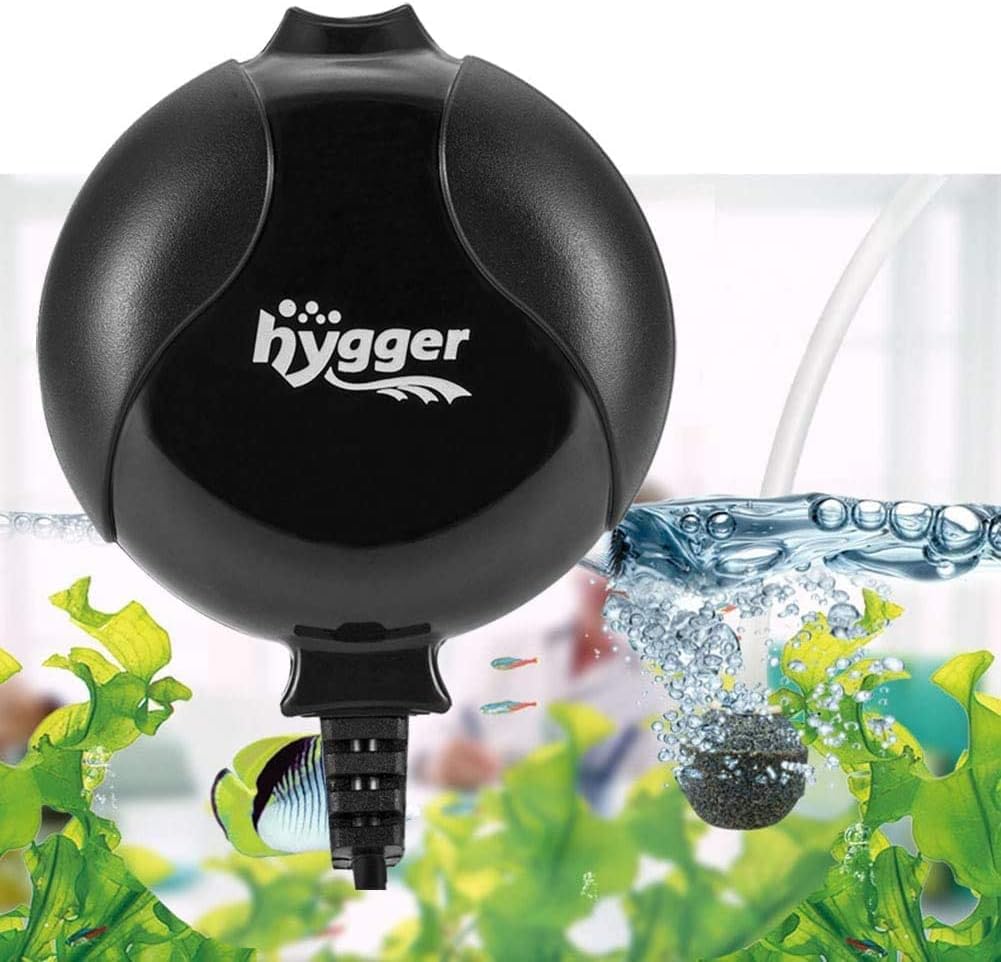
The best way to treat CO2 poisoning in fish is to use an air stone to agitate the surface. This allows carbon dioxide to dissipate from the water. You can also adjust the CO2 injection rate into your tank.
5. Velvet Disease (Gold Dust Disease)
Velvet in fish can be very dangerous for your entire tank. This disease can quickly wipe out everything in the tank.
Symptoms of Velvet Disease
Affected fish will rub their bodies against any hard surface in the tank. This is an attempt to remove parasites from their skin. They may also display some of the following signs:
- Lethargy.
- Rapid breathing.
- Not eating and losing weight.
- Keeping fins close to the body.
- Difficulty breathing or gasping.
- A fine yellow or light brown film on the skin.
- Skin peeling in severe cases.
Causes of Velvet Disease
Velvet disease is caused by one of the Oödinium species and is commonly found in poorly maintained aquariums. These parasites can be present in many aquariums but only cause problems if your fish are stressed, sick, transported, experience sudden temperature changes, or poor water quality.

Treatment for Velvet Disease
If your fish are sick, you can take some of the following measures to treat:
- Raise the water temperature by just a few degrees.
- The chosen treatment method is copper sulfate for 10 days.
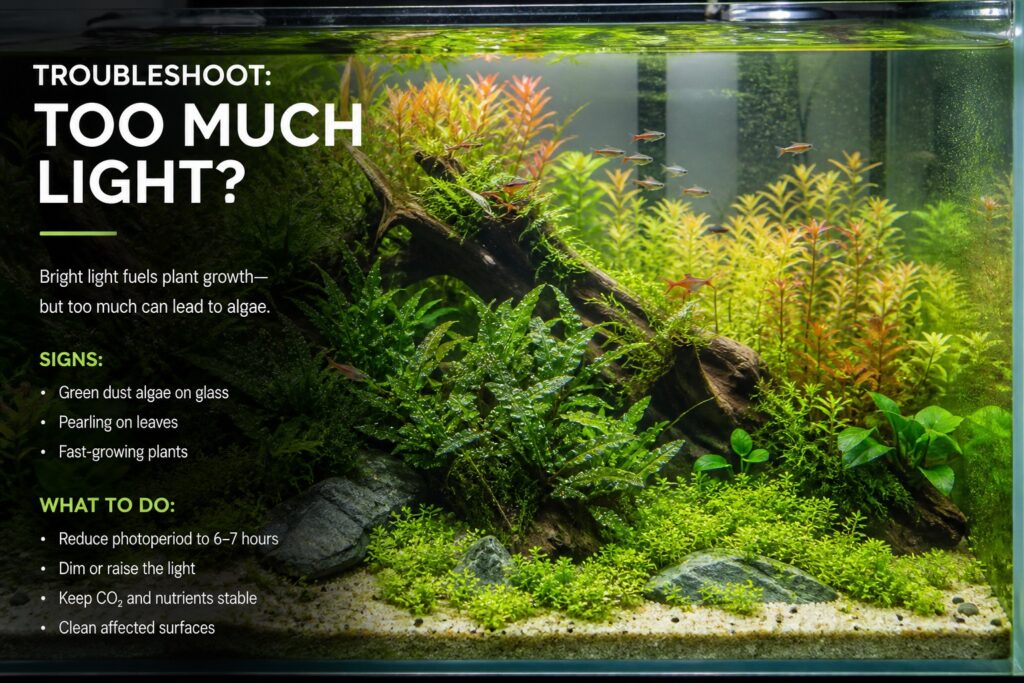
- Parasites rely on photosynthesis for some energy, so reducing the brightness of the aquarium lights for a few days or keeping the tank completely dark can support the treatment process.
- Transferring sick fish to a quarantine tank is essential.
6. Hemorrhagic Septicemia
Symptoms of Hemorrhagic Septicemia
Fish with this disease will experience hemorrhaging in the internal organs, muscles, and skin. This can be seen as small red spots on your fish’s skin. You may also observe some of the following symptoms:
- Fluid accumulation in the body.
- Protruding eyes.
- Distinct bright red streaks on the fins.
- Red blotchy discoloration on the sides of the body.
- Protruding eyes.
- Fish gasping at the surface of the tank.
Causes of Hemorrhagic Septicemia
- Caused by Piscine novirhabdovirus or due to a spike in ammonia.
- Poor water conditions with large amounts of decaying organic debris.
- High nitrate levels and poor oxidation-reduction conditions tend to be common when infected with septicemia.
Treatment for Hemorrhagic Septicemia
There is no truly effective treatment for this disease. Since it is an internal disease, external treatments are often ineffective, and most fish will die except for some mild cases. Treat your aquarium with disinfectants and clean it. You can try to clean the tank and raise the water temperature a few degrees.
Dealing with sick fish is not a joy for any aquarist. For any animal, early detection and effective treatment are key to being most effective. Always ensure your fish are in a suitable environment with good water quality and a balanced diet. The best way for your “pets” in the tank to live a long, happy, and healthy life is to create a healthy, stress-free environment for them.
Aqua Plants Hub Editorial