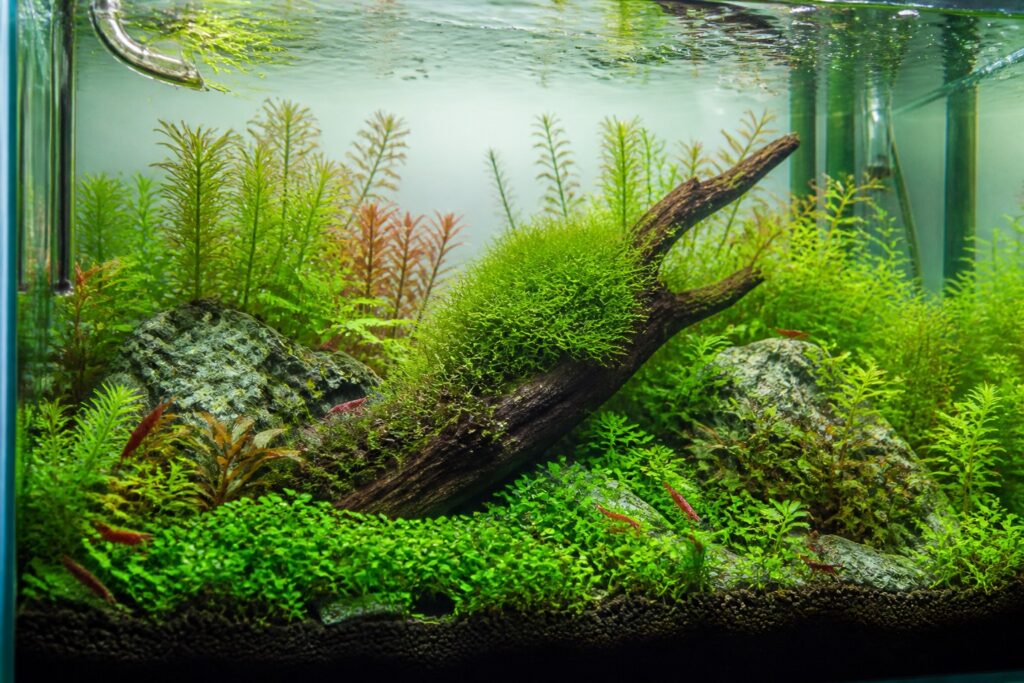
Creating highlights for your aquascape and bringing fresh feelings is what red-leaved plants offer us. However, growing and caring for these aquatic plants is not simple; it requires meticulousness and a specific care regimen. In this article, we would like to share our experiences on how to grow red-leaved plants and maintain their red color in an aquascape.
You may be interested
→ How to grow Bucephalandra in an aquascape
→ How to grow various types of moss
→ How to grow and care for USFISS moss
Most aquascaping enthusiasts have tried growing red-leaved plants like Rotala, Bloodleaf, or Red Apple. When brought home from the store, they often have a beautiful red color, but after a while, the plants cannot retain their original color.
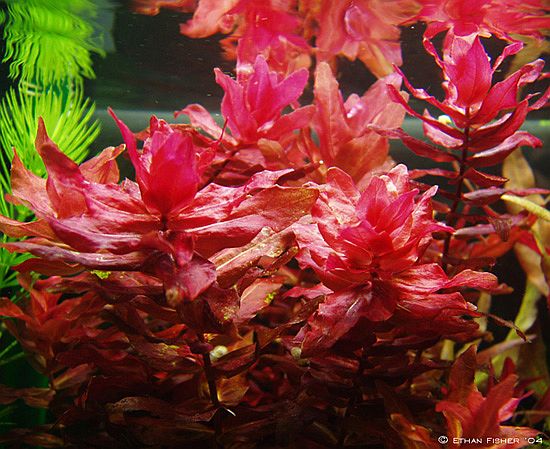
Now let’s take a brief look at the colors of plant leaves:
Basically, plant leaves have three primary colors: green, blue, and red. However, depending on the light conditions and enzymes for chlorophyll, we will see the plants exhibit different colors. For plants living in low-light areas, they need to produce more chlorophyll to absorb more light, so they usually appear dark green. For plants living closer to the water surface, which can access more light, they often display lighter green, red, or pink colors.
The natural habitat of plants is very different from the environment of plants in an aquarium. Therefore, to ensure the plants develop their colors, it is necessary to provide them with suitable conditions.
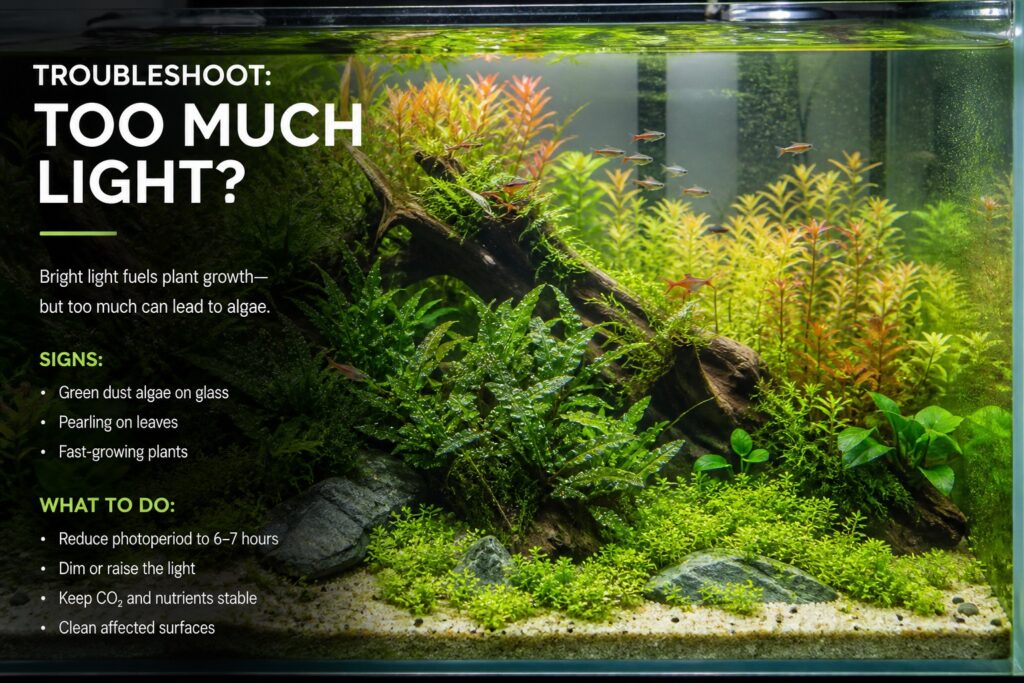
First – Light: Light is a necessary condition for all aquatic plants in general, but for red-leaved plants, the light requirements are stricter. When we go to buy lights, we often choose those with a color temperature of 10000k – this is the color temperature of light similar to noon sunlight, which is very suitable for green-leaved plants as they display beautiful colors. However, this can be a limitation for red-leaved plants; when using lights with this color temperature, the leaves tend to turn green or gray, making it very difficult to maintain their color. Therefore, if you intend to grow and care for red-leaved plants, you should use lights with a color temperature of 6500k – at this color temperature, the light has a shorter wavelength, making it easier for the plants to absorb, thus the enzymes that produce chlorophyll develop, allowing the plants to show more red compared to other types of lights. Currently, 10000k lights are very popular in aquascaping or fish stores, but 6500k lights are more common in regular lighting stores, making it easy to purchase this type of light.
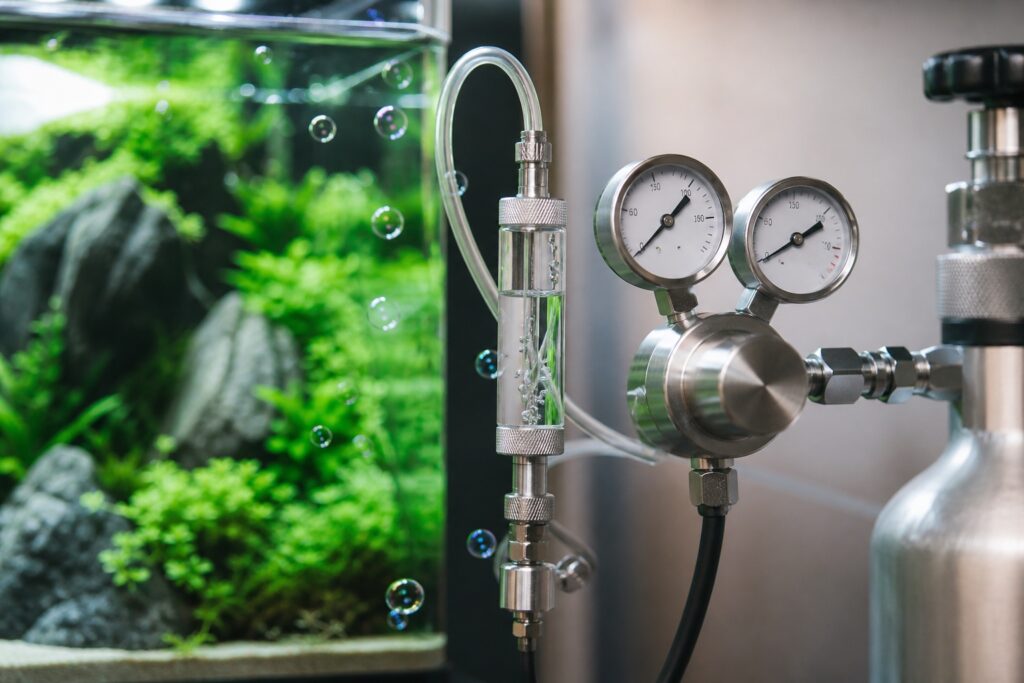
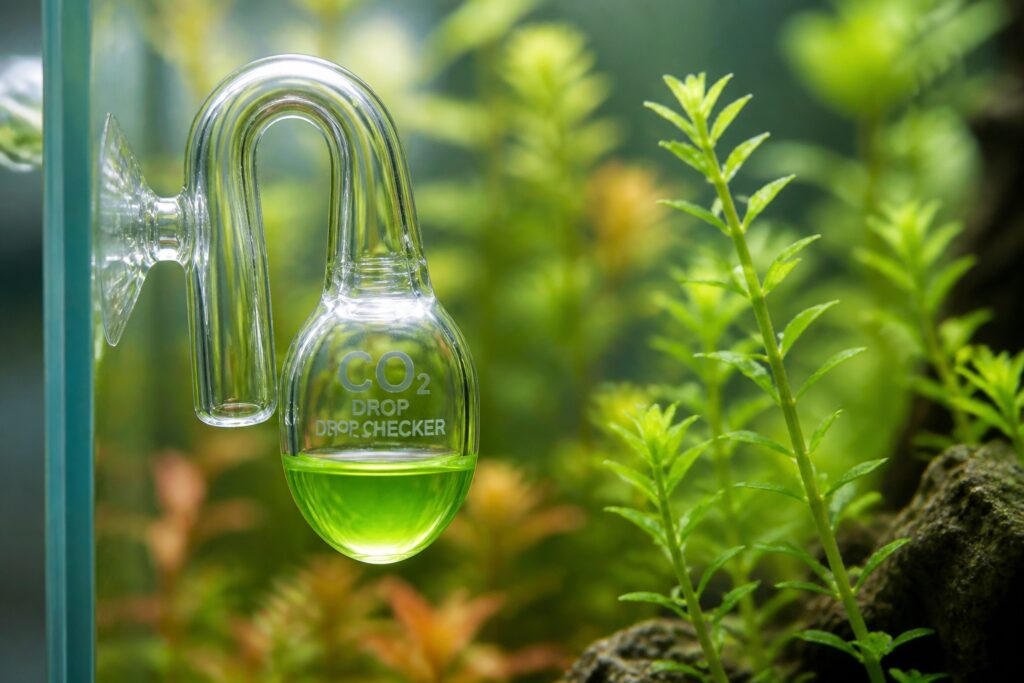
Second – CO2: CO2 is one of the very important factors for the growth and development of plants, and for red-leaved plants, CO2 is even more crucial. In aquariums without CO2, red-leaved plants struggle to develop as desired. Red-leaved plants consume more CO2 than regular plants. Normally, if you have a tank with green-leaved plants, you only need 2g of CO2 per second for good growth, but for red-leaved plants, the necessary amount of CO2 is usually double.
Third – Trace elements: In addition to essential trace elements like Zn, Mg, Mn, Fe (iron) is an important factor that helps plants achieve red color. Iron is a raw material for the synthesis of chlorophyll in red-leaved plants, so to ensure that the synthesis process occurs regularly, you need to provide your tank with an appropriate amount of iron through liquid fertilizers available on the market. Note that when purchasing, you should buy liquid fertilizers specifically designed for red-leaved plants – meaning those with a high Fe (iron) content.
Above are the knowledge and experiences we have gained and wish to share with you. We wish you success in caring for red-leaved plants in your home aquascape!
Tag: Aqua Plants Hub
Aqua Plants Hub Editorial