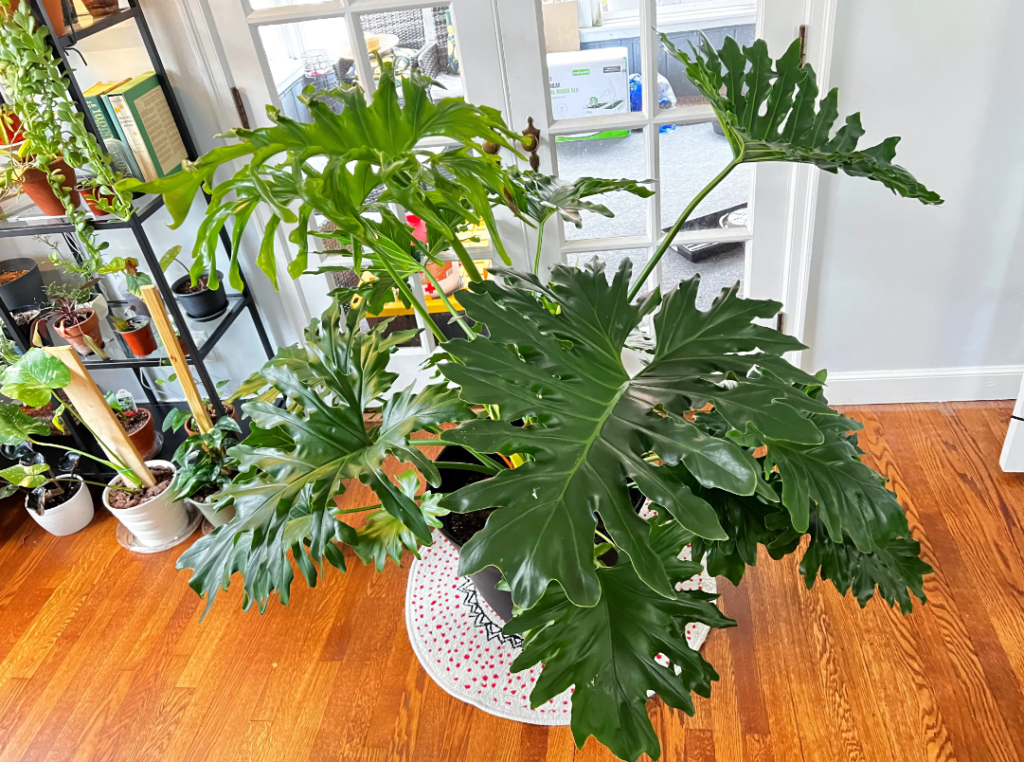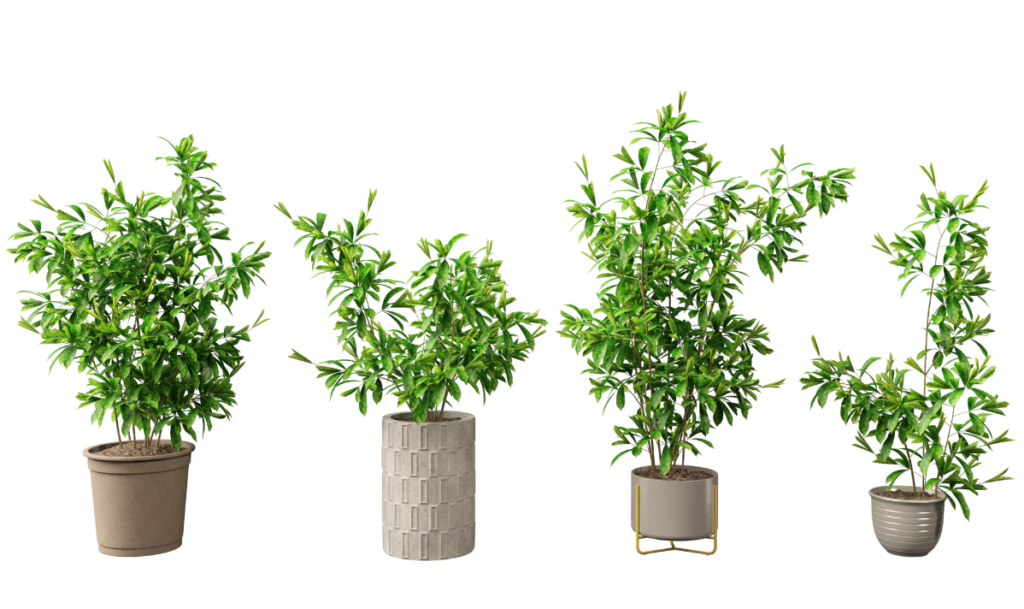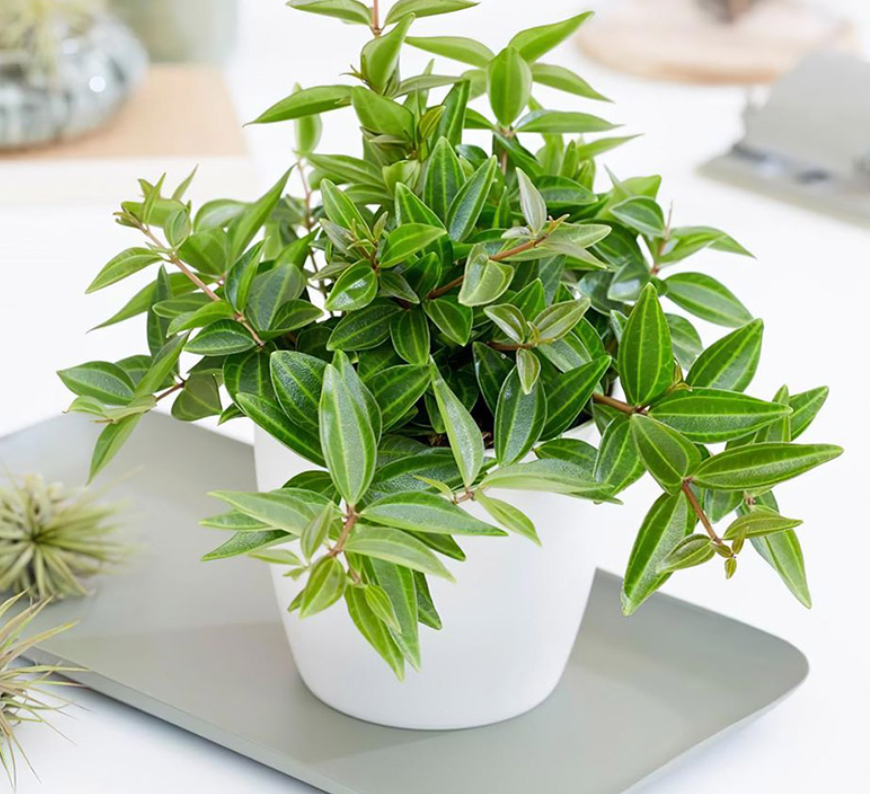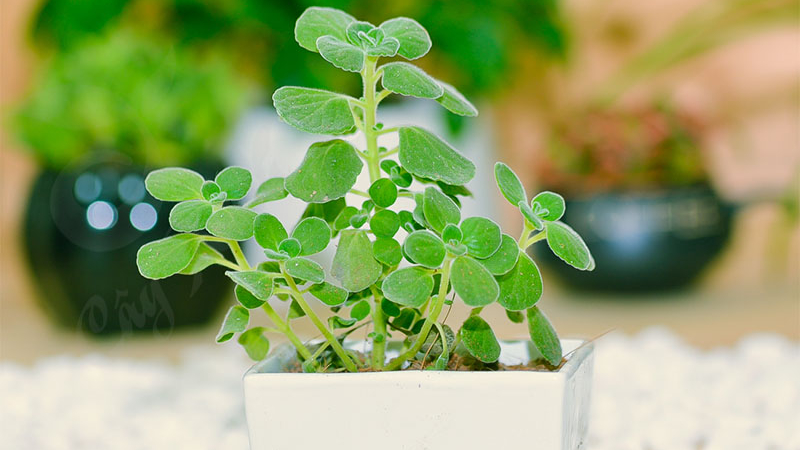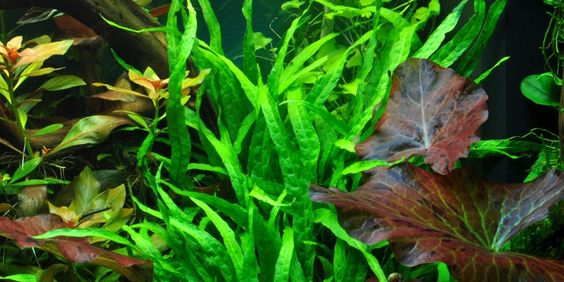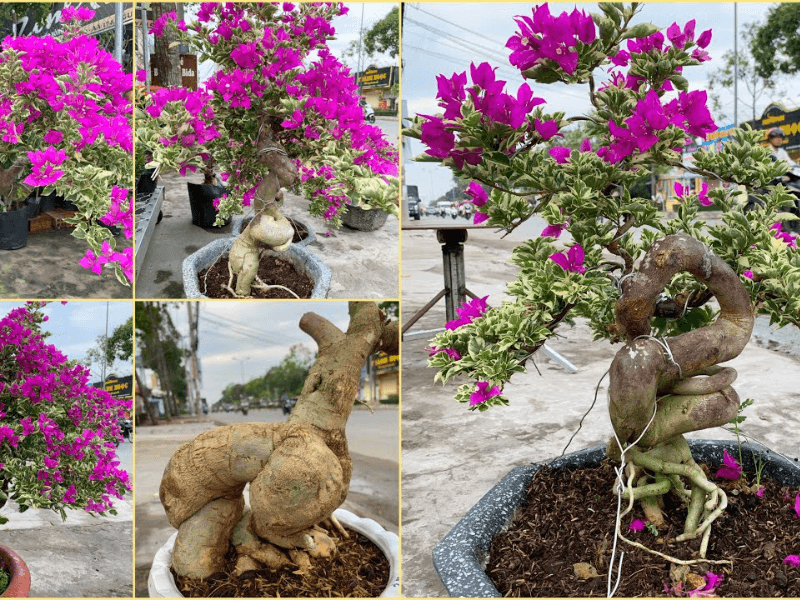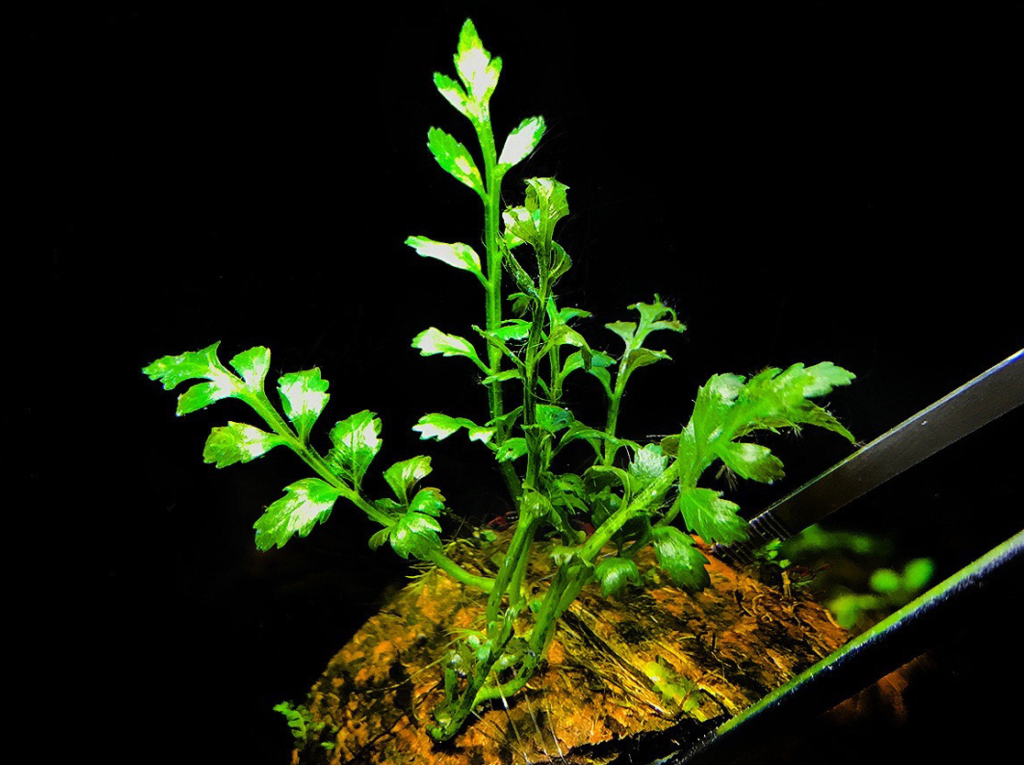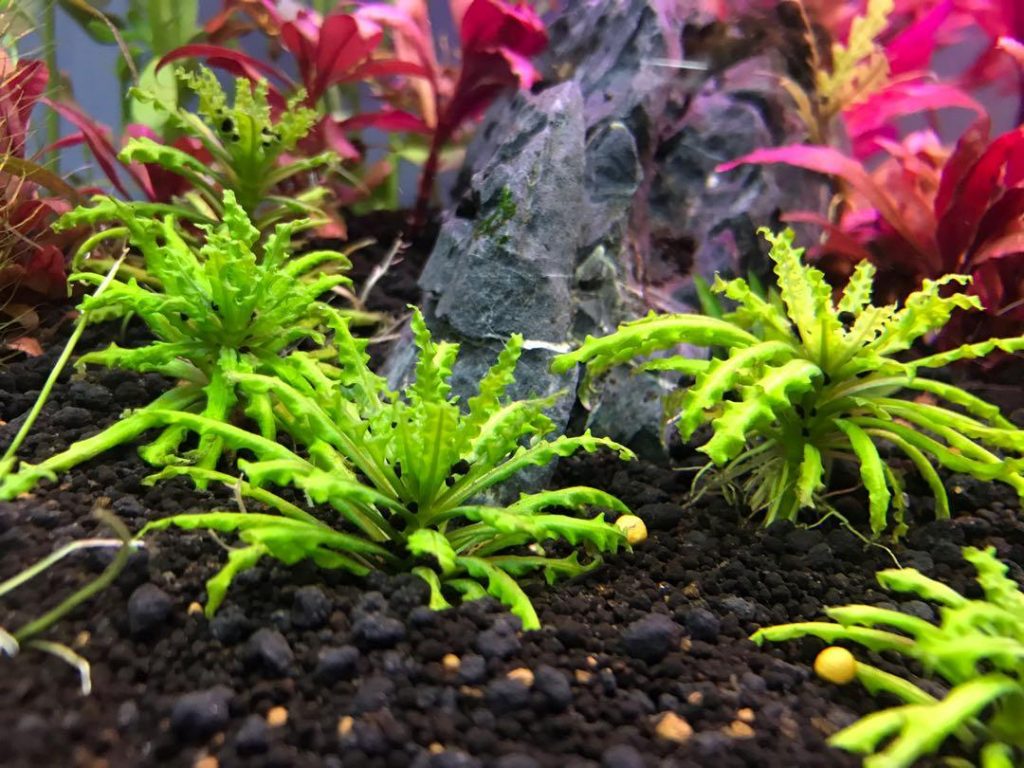
Betel treeNam MIt is an indoor plant that is easy to care for and extremely unique and vibrant. With their beautiful foliage and distinctive appearance, they can transform any home into a paradise of color. Hopefully these tips will help you take better care of your plants and keep them green!
HOW TO GROW AND CARE FOR THE SOUTH AMERICAN BODY TREE – MONSTERA DELICIOSA
Sunlight:
Thrives in indirect to medium light. Not suitable for harsh, direct sunlight but can adapt to withstand it. If you grow South American Pothos in a pot indoors, you should expose the plant to light for about 60 minutes every day.
Irrigation water:
South American betel nut is a moisture-loving plant, but be careful to ensure the soil environment is well-ventilated and not flooded. Water every 1-2 weeks, allowing the soil to dry out between waterings. Water more often in brighter light conditions and less often in lower light conditions. Pro tip: Monsteras may benefit from filtered or overnight water before using for watering.
Humidity:
Normal room humidity is fine for them, but create more humid conditions if possible. Consider incorporating a mist sprayer or humidifier to increase the humidity in your home.
Temperature:
Most houseplants prefer temperatures between 18°C-30°C. It is best not to let the temperature drop below 15°C.
Monstera planting soil:
The soil needs to be able to retain moisture well, and does not require much nutrition, but if it does, the better. Can be combined with additional NPK fertilizer for better plant growth.
- Perlite stone has a structure of pores and air cavities inside that are able to absorb enough water and nutrients inside and supply them to the plant slowly.
- Pumice stone has pores on the surface and inside the stone, creating good ventilation and drainage properties.
- Vermiculite stone has the ability to retain moisture but still create aeration in the soil, helping to provide better water for the betel leaf plant.
- Namix ready-mixed clean potting soil with basic ingredients of coco peat, rice husk ash, along with the above 3 types of high-quality substrates and organic fertilizer, helps betel plants quickly take root and grow well.

Plant a betel tree with sawn leaves
Growing hydroponics
- You can prepare a plastic or glass vase, then pour in one of 3 types of substrate: perlite stone, pumice stone, Vermiculite stone, or you can mix all 3 types together.
- Next, you just plug in the betel leaf and fill it with water.
Perlite stone, pumice stone, Vermiculite stone will help your planter become more beautiful, it is also the material that keeps the plant standing firmly. In addition, these 3 materials do not decompose over a long period of time and are inert materials that do not harm plants nor attract or contain pathogenic bacteria inside.Plant in the ground
- Fill the pot ¾ full with clean Namix soil, then put the plant in and add more soil to cover the roots so the plant can stand firmly.
- Additional agricultural mulch can be used to cool the soil and reduce evaporation loss.
GENERAL PROBLEMS
Will the South American betel tree grow back after cutting?
After cutting the Monstera, it will create a new growing point from the nearest node where the cut was made. Within a few months, the part of the plant you cut off will completely grow back. The speed at which the plant will grow depends on factors such as light, water, soil, humidity and fertilization.
How long can the South American betel tree live?
It is uncertain how long the Betel nut plant can live as there is no specific lifespan for these plants. How long these trees can live is determined by their breed and genetics. There are many reports from gardeners on the internet claiming to have Pothos plants that are over 40 years old.
Remember, when it comes to living things, nothing lives forever!
Can South American betel nut survive or thrive in the country?
Plants can survive and even thrive in water alone, but you need to expose the plant to indirect light, change the water regularly, clean the soil from the roots before putting the plant in water, and use hydroponic fertilizer.
The betel plant can adapt to growing in water. Many people keep cuttings in a vase for many years without any problems. However, in water, your Monstera will not grow as quickly as in soil.
What to do with wilted and diseased leaves?
The tree is very good at managing its wilted and diseased leaves. Even if the leaf has been damaged, the plant will still collect nutrients from that leaf. When removing damaged parts, cut 2.5 cm above the nearest node (the point on the stem where new branches and leaves grow). If you cut off damaged leaves (including the stem), new growth will occur from the nearest base.
Tip: If you don’t want to throw away the wilted leaf, you can place the stem in a vase with water. The leaves will keep in the same condition for a few months. You just need to change the water regularly to keep it fresh!
What should be done with a broken South American betel tree stem?
Unfortunately, you cannot save that stem including the leaves on that stem. Remove broken stems by cutting 2.5 cm above the nearest eye base. A new growth point will appear at the base of that eye and within a few months, a new stem with leaves has developed.
If you don’t want to throw away the damaged leaf, you can place the stem in a vase with water. This way, you will still be able to enjoy the leaves for at least a few months. Don’t forget to change the water regularly to keep the leaves fresh.
How to restore plants from sunburn?
In some cases, South American betel plants look a bit like humans. If we stay in direct sunlight for too long without protection, we will get sunburned. If the betel plant is exposed to too much direct sunlight, it will also get sunburned.
Direct sunlight and high temperatures will break down the chlorophyll inside the leaves. Lesions will appear as pale, white or discolored leaves. After a while, these burned leaf areas become brown and brittle.
Any plant that is sunburned will not be able to recover the damaged parts. If your Monstera gets sunburned, you can cut off the severely affected parts. To remove those parts, cut the stem 2.5cm above the nearest eye base. Water the plant as usual and keep out of direct sunlight.
NOTE
The South American betel tree originates from the Americas, so the humid tropical climate in the South of our country is very suitable for the tree to grow well.
Usually, due to common psychology, everyone wants their tree to be as beautiful as the photos online right from the moment they buy it. The only advice I have for you is not to be too hasty, because pictures of foreign plants also take a very long time to look beautiful. We will get results when we put our attention and effort into taking care of the plants weekly and monthly. Taking care of plants is not too difficult. We only need to understand the origin and minimum needs of the tree, the only thing left for us is to meet those needs and watch the tree grow over time. Let’s take a look at Monstera – The split-leaved betel leaf has helped our space become more lively and greener than ever. I hope you will have a small green garden and have a fun time taking care of the plants. And don’t forget, the tree will also take care of you every day.
[email protected]