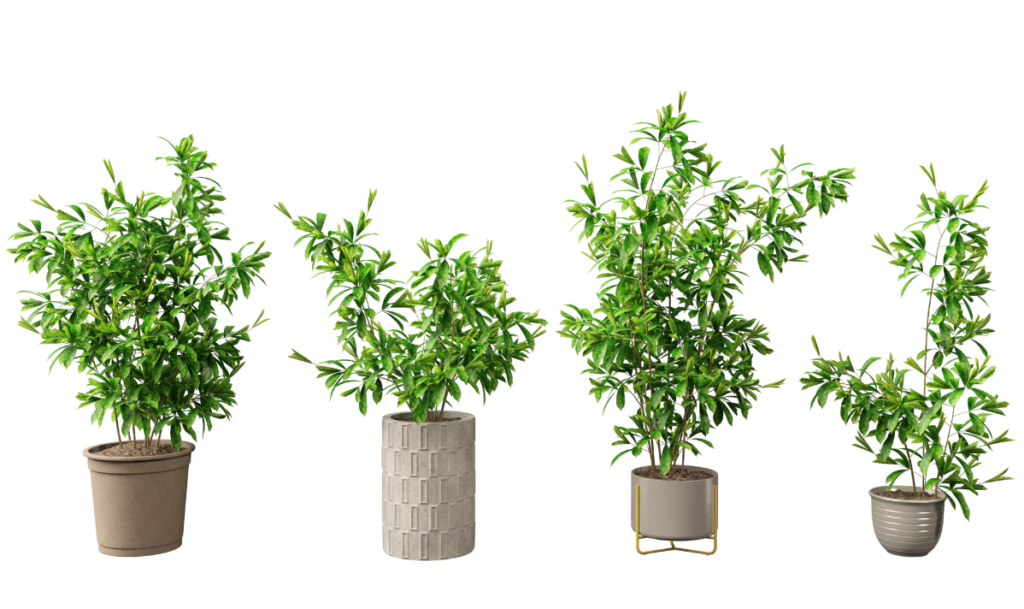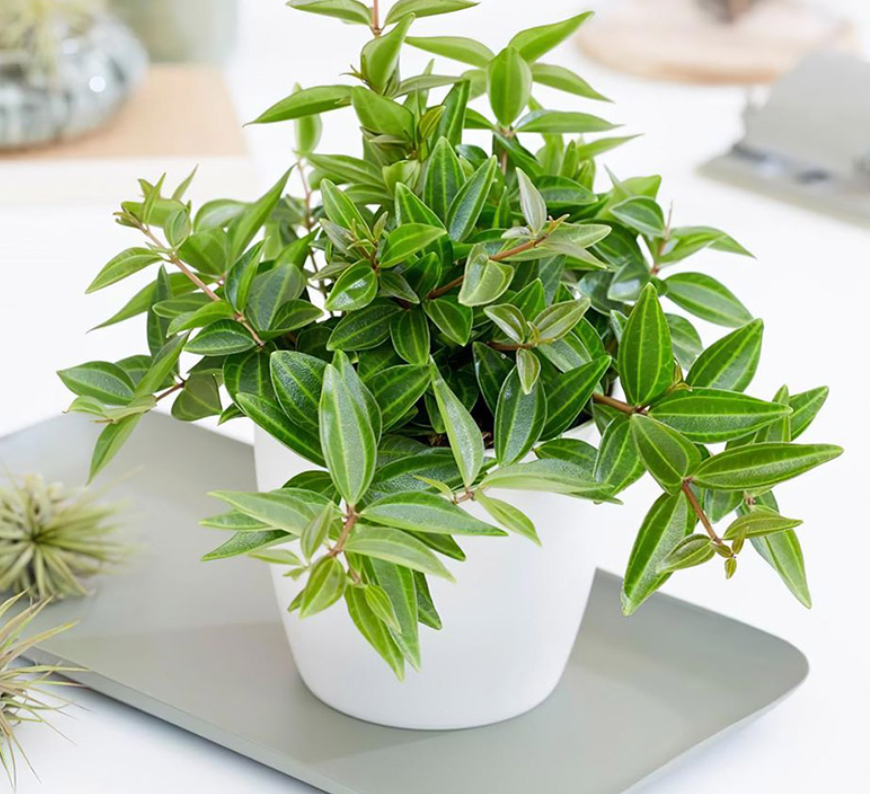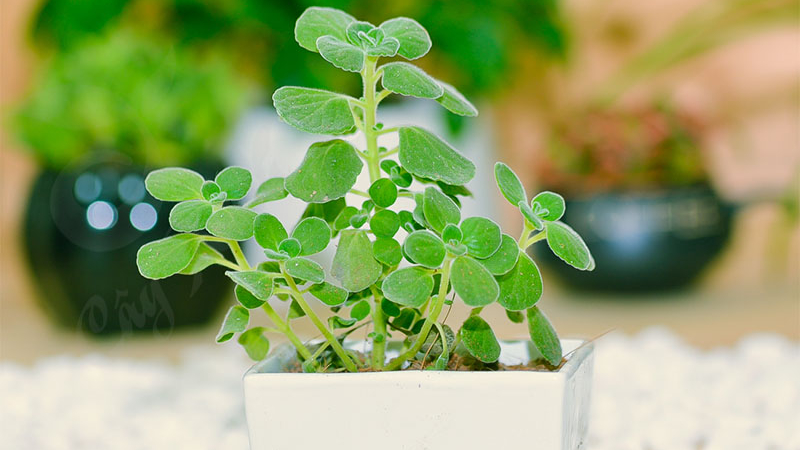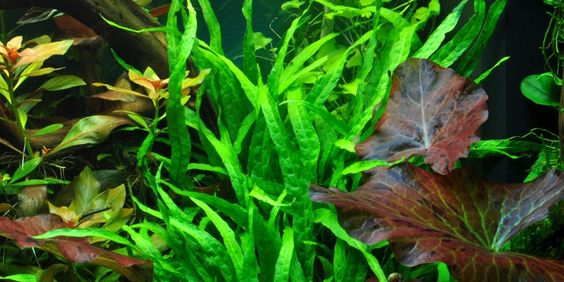
The Buddha’s hand betel tree is a plant belonging to the Ray family. Originated from the Salomon Islands. Currently, Buddha’s hand betel nut is being sought after by the ornamental plant world because of its cheerfulness. So why is this plant so hot? This article will reveal to you all the interesting things about this plant.
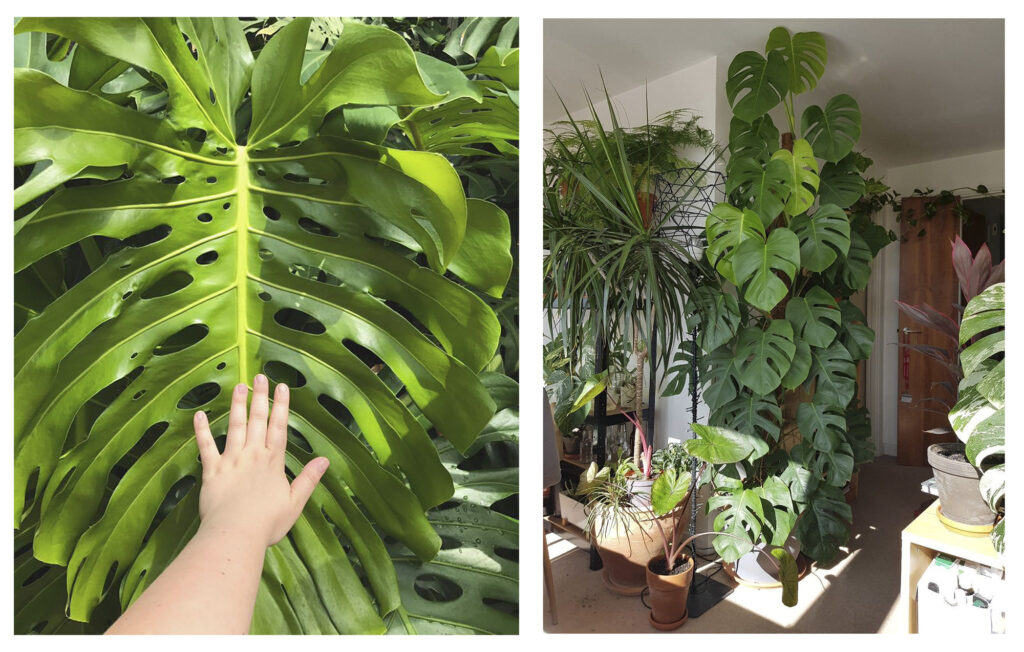
Philodendron Selloum – Philodendron Selloum
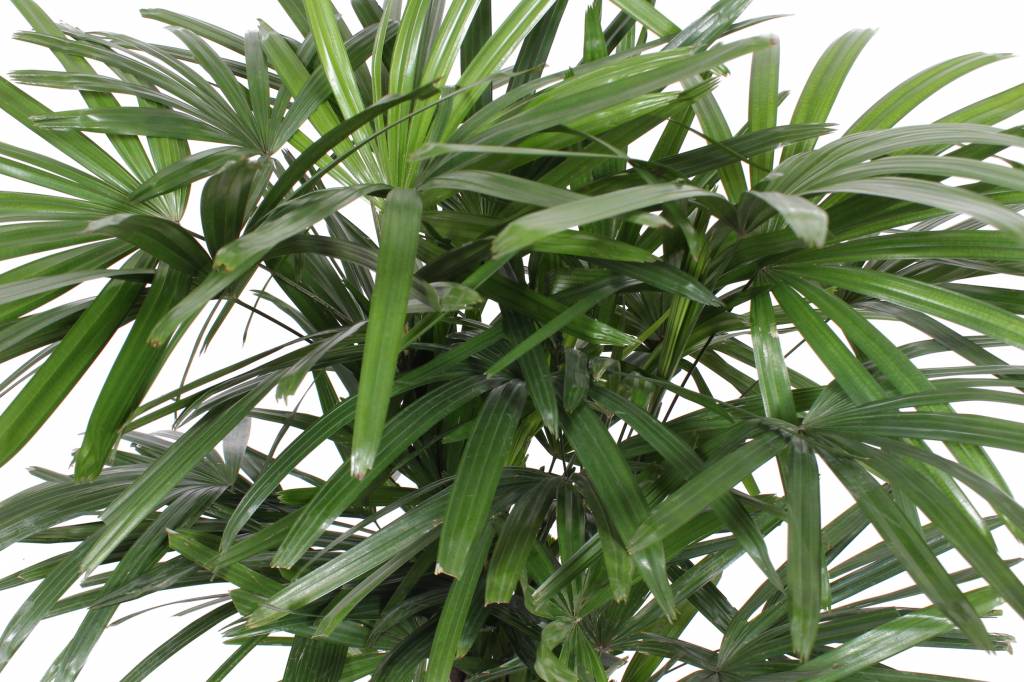
Each name has something special in it. It is a decorative tree in the home, but it makes everyone admire when they hear its beautiful name. The name symbolizes peace and quiet within the mind. Being happy, not worrying, creates impermanence in this troubled life full of worries. That is also the feng shui meaning that this plant brings. The tree has many branches and many single, deeply lobed leaves. The leaf blades are thick, shiny, and dark green. The tree has very beautiful leaves, can withstand and live in partial shade, is very suitable for growing in interior pots or large halls, or planted in many gardens. The shape of each foliage is like Buddha’s hand reaching out to welcome his sheep. The leaves are long and have points that spread out like a hand with many fingers. This unique shape has created a unique difference for this plant.
Under natural conditions, it grows in tropical forests and can be over 8 meters tall, and produces fruit, which is also edible.
BENEFITS OF THE BUDDHA’S HAND BODY TREE
- Absorb toxins from the air:The leaves of the Buddha’s hand betel plant have the ability to absorb toxic substances such as formaldehyde, benzene, toluene, trichlorethylene,… in the air, helping to improve indoor air quality and reduce the risk of toxin-related diseases.
- Humidify the air:The Buddha’s hand betel plant releases water vapor through photosynthesis, helping to humidify the air in the room, especially during the dry season. This helps moisturize the skin and respiratory tract, preventing health problems such as dry skin, cough, sore throat,…
- Psychological impact:Many studies have proven that growing indoor plants can reduce stress, anxiety and improve people’s mood. The Buddha’s hand betel tree is one of the plants with this feature.
- Interior decoration:Buddha’s hand betel plants can be grown in pots or placed in decorative corners to beautify the living space. The tree has a beautiful shape, dark green leaves and wide canopy so it is suitable for many spaces such as living room, office, lobby,…


TECHNIQUE OF CULTIVATION OF THE BED TREE TREE OF THE BUDDHA’S HAND
The Buddha’s hand betel plant is an easy plant to grow and can be grown in pots or directly in soil. Here are some instructions for growing Buddha’s hand betel plants:
- Choose the right pot:Choose a pot with a diameter about 2-3 times larger than the plant’s roots. The pot should have drainage holes at the bottom to avoid waterlogging the plant.
- Choose the appropriate soil type:The soil for planting the Buddha’s hand betel plant should have good drainage and be rich in organic matter. If you use ready-made soil, you can add a little vermicompost or dragonfly fertilizer to increase fertility.
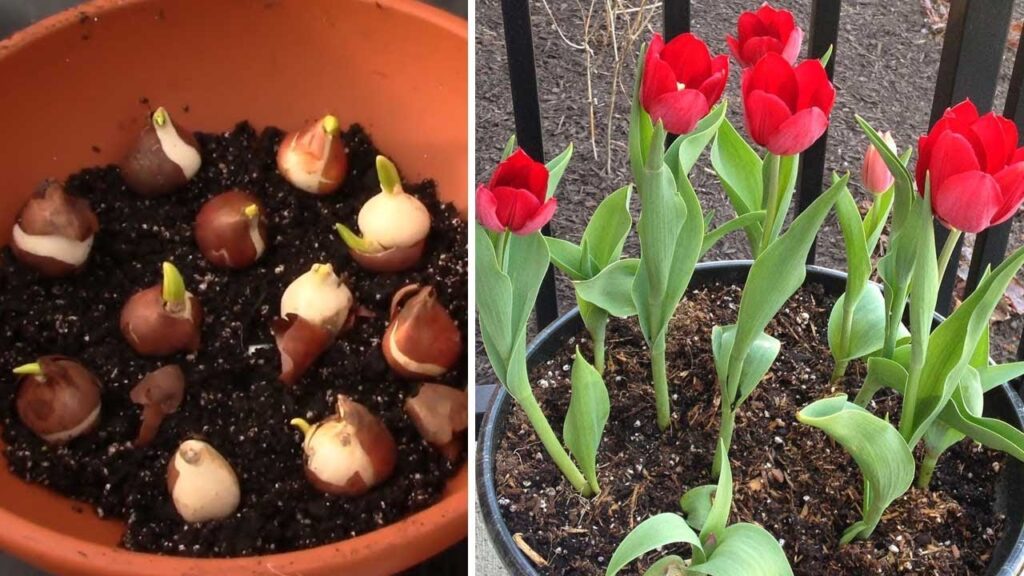
- Plant a tree:Place the roots of the Buddha’s hand betel plant in the pot and pour in soil to fill the pot. Make sure the soil is packed tightly to avoid water draining away too quickly. If planting in soil, make a hole large enough to accommodate the plant’s roots and fill it with soil.
- Watering:Water regularly to keep the soil moist but not too waterlogged. For Buddha’s hand betel plants, you should water little but often rather than watering a lot but rarely.
- Place the tree in the right location:The Buddha’s hand betel plant prefers cool light and should not be placed in direct sunlight. If placing the plant indoors, place it near a window so the plant receives adequate natural light.
- Fertilization:Fertilize about every 2-3 months so the plant has enough nutrients. Use organic or chemical fertilizers suitable for your soil type and pot.
- Watering leaves:Water the leaves of the Buddha’s hand betel plant with water to remove dirt and keep the leaves clean.
Note:If growing the Buddha’s hand betel plant in a pot, be careful not to let water stagnate for too long at the bottom of the pot to avoid causing root rot. At the same time, it is necessary to regularly check soil moisture and water when the soil feels dry.
HOW TO CARE FOR THE BUDDHA’S HAND BODY TREE
- Light:The Buddha’s hand betel plant is suitable for medium light and partial shade. The plant should not be exposed to direct sunlight. If placing the plant indoors, it should be placed near a window or in a location with enough natural light. Should not be placed in a place that is too dark or has direct sunlight. The suitable temperature for plants to grow is from 18 to 27 degrees Celsius.
- Water:The Buddha’s hand betel plant needs to be watered evenly and with enough water, but not too much. Watering should be done when the soil in the pot is dry or the soil moisture has decreased. Do not leave the plant in an environment that is too humid.
- Land:The Buddha’s hand betel plant is suitable for moist soil, with good drainage and rich in nutrients. You can use soil mixed with green soil with leaf manure or organic fertilizer.
- Fertilizer:You should fertilize about every 2-3 months to help the plant grow better. Use special fertilizers for ornamental plants, fresh or organic fertilizers.
- Trimming:To make the tree look beautiful and shapely, the branches can be pruned evenly. Pruning also helps plants grow better and removes dry or damaged leaves and branches.
- Check for pests:Regularly check the tree to detect pests and diseases early. If you see signs, treat them promptly to avoid the tree dying or spending a lot of effort on treatment.
- Other factors:If grown indoors, clean dust and moisture from the air using a water sprayer or mist sprayer to humidify the air. Plants should be placed away from sources of heat and air conditioning to avoid affecting the plant’s health.
If you care for it properly, the Buddha palm betel plant will become a wonderful part of your interior or garden, providing not only aesthetic value but also significant health benefits. So it’s no surprise that this plant is so sought after.
[email protected]