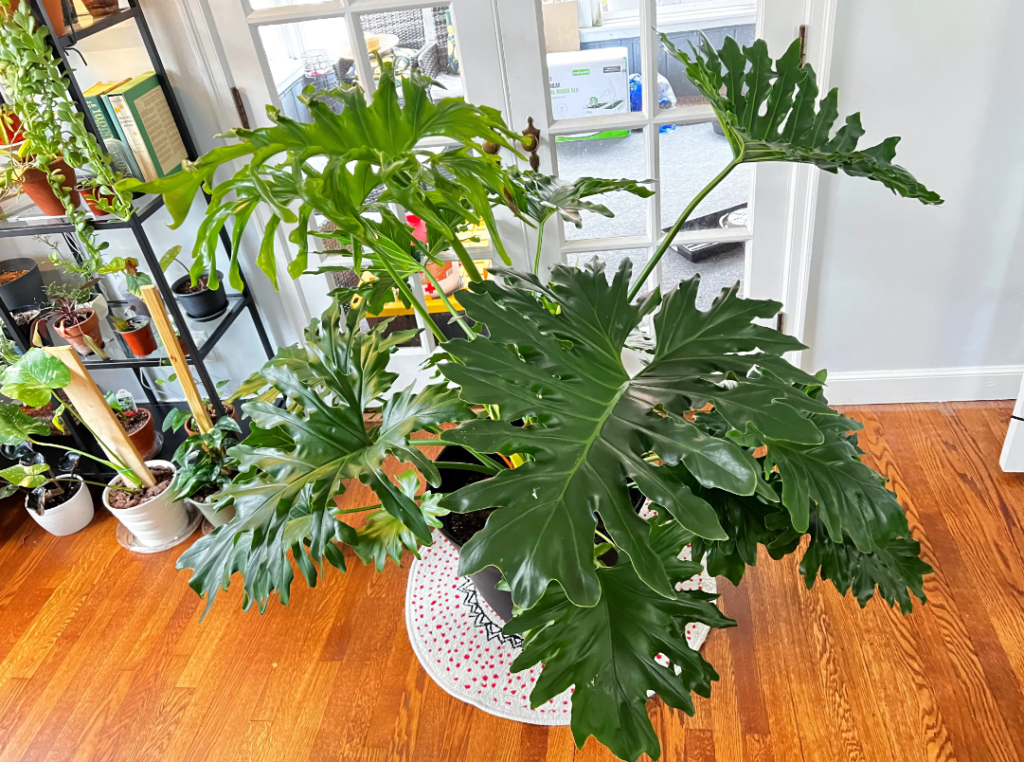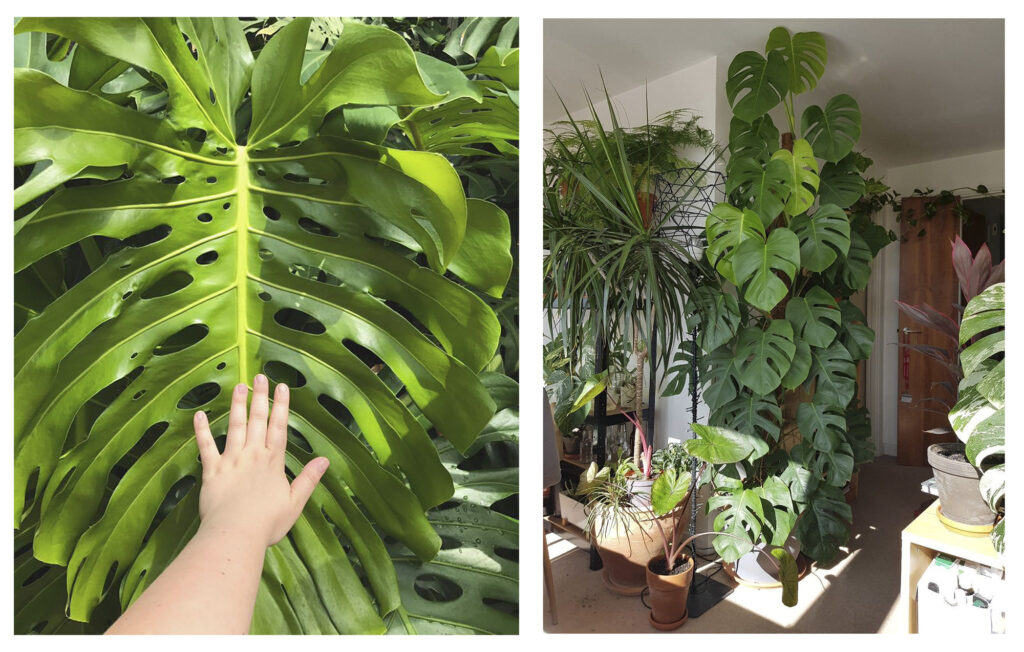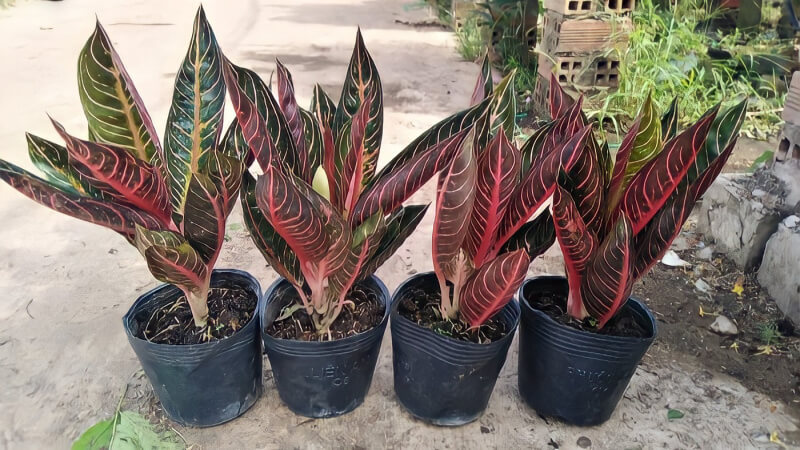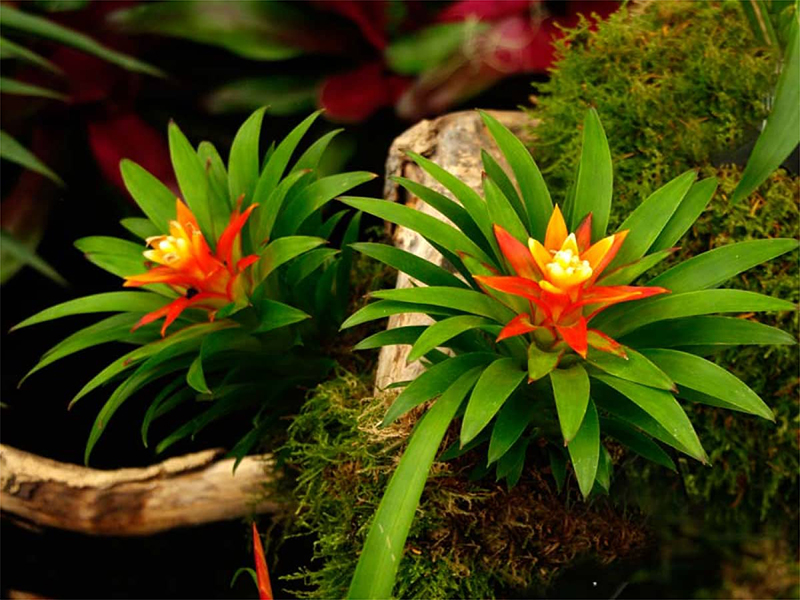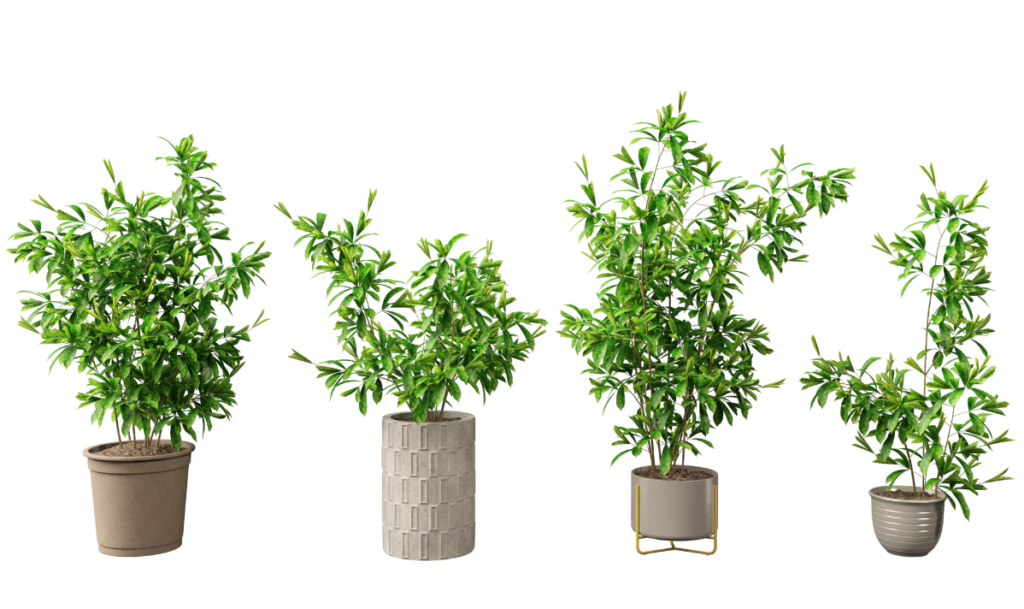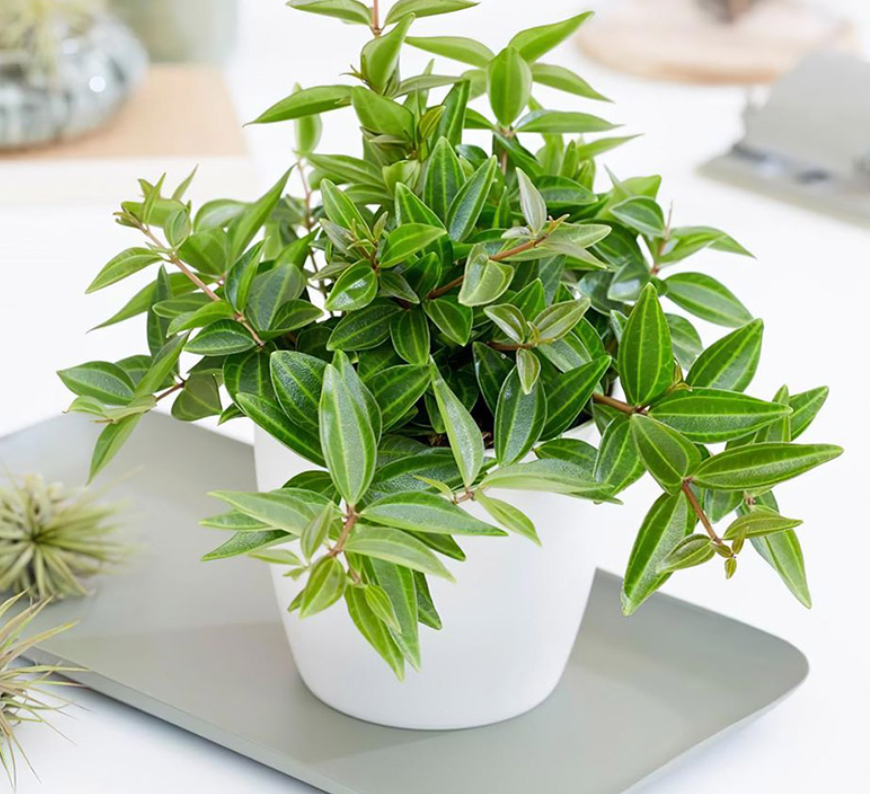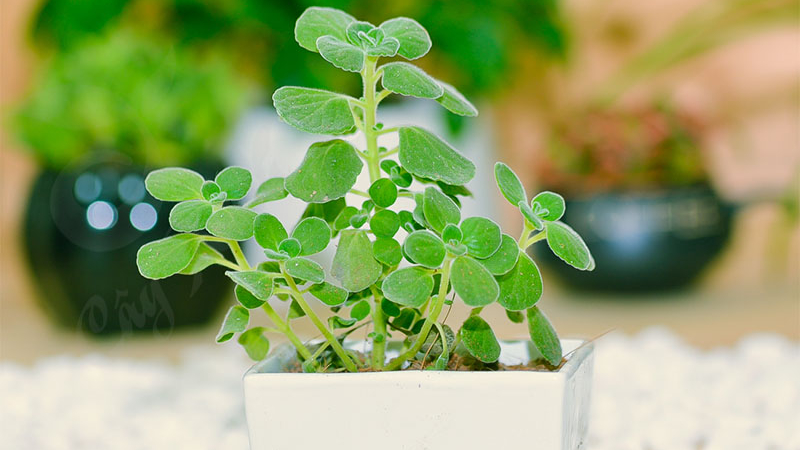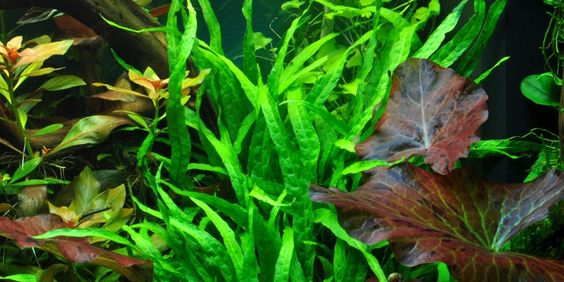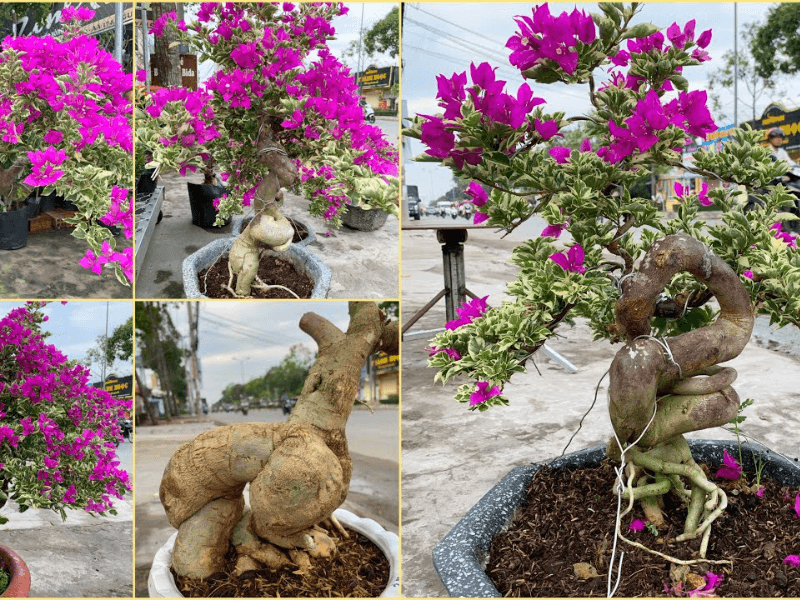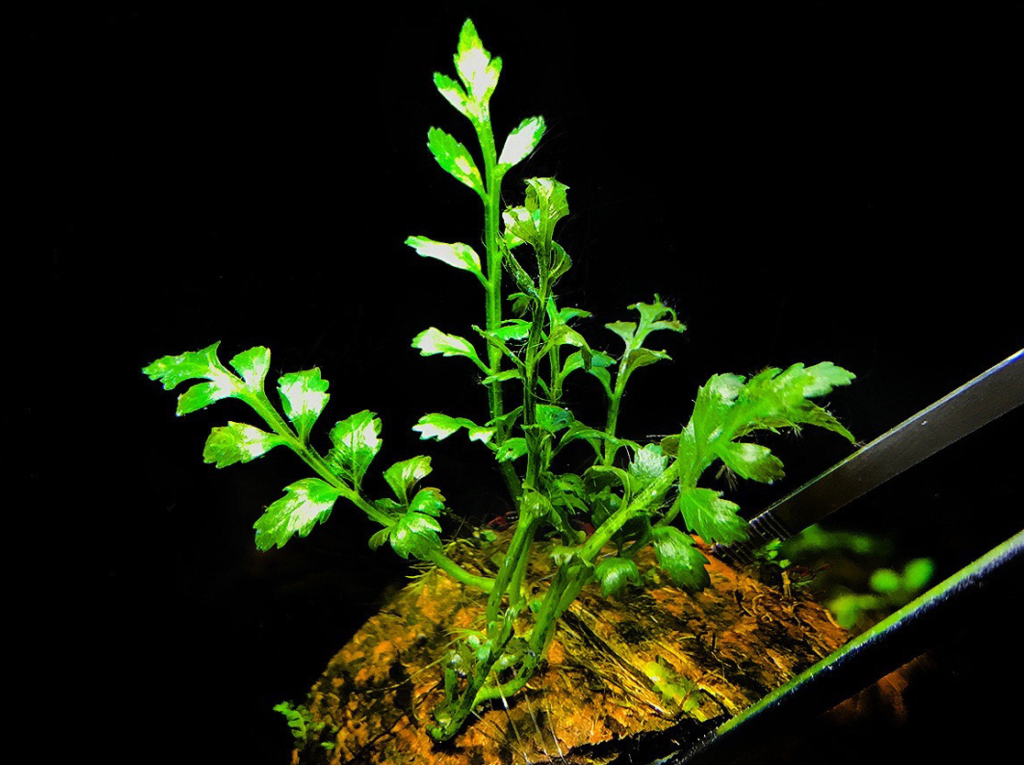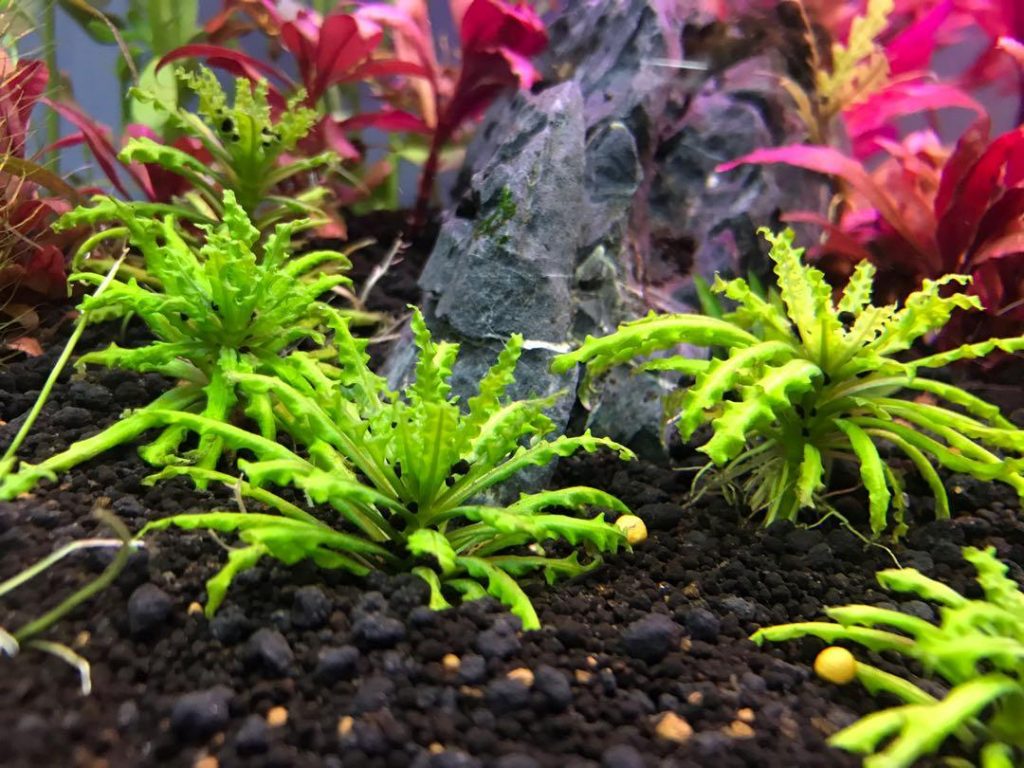
Tango pineapple plants are widely used in the landscape industry to decorate gardens, parks and urban areas. It is also often grown in pots or gardens to create a pop of color and add life to the surrounding spaces of offices and homes. With its air-purifying properties, the Tango pineapple plant has become a popular choice for living spaces.
TANGO PINEAPPLE TREE
Tango pineapple tree, also known as Tango tree, scientific name Blue Rain Aechmea is a plant belonging to the pineapple family (Bromeliaceae) originating from tropical South America, mainly Brazil. With its beautiful appearance and air-purifying properties, the Tango pineapple plant is being grown and applied in many fields. The Tango pineapple plant has an average height of about 40-50cm, shaped like a bunch of long and thin leaves surrounded by wide, egg-shaped leaves. These leaves are dark green with white or black streaks on the surface. The plant has a large cluster of blue flowers located on top of the leaf cluster. To grow Tango pineapple plants, provide adequate light and moist, well-drained soil. In addition, the Tango pineapple plant also has air-purifying properties and can help improve air quality in living spaces.
IMPORTANCE OF THE TANGO PINEAPPLE TREE
Ecological importance
The Tango pineapple plant is known for its ability to process air and is one of the best air purifying plants. Research shows that the Tango pineapple plant can absorb toxic substances such as formaldehyde, benzene and ammonia in the air. Therefore, Tango pineapple plants are a popular choice for interior decoration and improving air quality in living environments.
Tango pineapple also helps create a favorable habitat for many different types of creatures such as birds, insects, mantises,…
Economic importance
The Tango pineapple plant is one of the most popular ornamental plants and is widely used in interior decoration, gardens, parks or entertainment areas. Growing and producing Tango pineapple trees brings income to many people.
In addition, some types of Tango pineapple plants are also used in food and medicine, bringing significant economic value.
TANGO PINEAPPLE GROWTH AND CARE TECHNIQUES
Tango pineapple planting techniques
- Choose a suitable planting pot: Choose a planting pot with a diameter of about 30-40cm, with drainage holes in the bottom of the pot to ensure good drainage.
- Light and temperature: Tango pineapple plants are suitable for living in areas with suitable sunlight and not too high humidity. The ideal temperature for Tango pineapple plants is from 18 – 30 degrees Celsius. If the temperature is too low or too high, it will affect the growth and development of the plant.
- Use suitable soil: Use soil rich in organic matter, well-drained, with a pH of 5.5 to 7.0. You can use organic fertilizer or foliar fertilizer to provide nutrients for plants.
- Choose a Tango pineapple plant: Choose a Tango pineapple plant full of vitality, fresh green leaves, free of pests and diseases and with healthy roots.
- Planting Tango pineapple plants: Before planting, put soil in the pot and gently press with your hands to gently pour the soil evenly. Then, peel off the plant’s pot and gently place the plant in the pot, filling in soil around the roots until the soil is full.
- Hydroponics: Hydroponics is a method of growing plants without soil. In case you don’t have soil or don’t like growing plants in soil, you can try hydroponics to grow Tango pineapple plants. However, care should be taken to ensure the water is not polluted and provides enough nutrients for the plant.


Caring for Tango pineapple plants
- Water regularly: Tango pineapple plants need to be watered regularly, about 2-3 times/week in the dry season and about 1-2 times/week in the rainy season. However, over-watering will cause the plant to die, so it is necessary to check the soil moisture before watering to ensure the soil is not flooded.
- Pruning: Pruning is a way to keep the Tango pineapple plant balanced and beautiful. Pruning is usually done in spring and fall, to keep the tree from getting too tall or too bushy.
- Ensure humidity: To ensure humidity for the Tango pineapple plant, you can use mist spraying on the leaves or place a water bottle near the plant to keep the surrounding air moist.
- Fertilize regularly: For Tango pineapple plants to grow well, they need to be fertilized periodically about every 1-2 months. You can use organic fertilizers or diverse chemical fertilizers to provide adequate nutrients for the plants.
- Check and treat pests: Tango pineapple trees can suffer from a number of pests such as leaf spot disease, root rot, stem borers, yellow-winged worms, etc. Therefore, it is necessary to regularly check the health status of the tree and promptly handle measures such as cutting off infected leaf areas or using safe pesticides to prevent and treat diseases.
However, it should be noted that the leaves of the Tango pineapple plant can cause skin and eye irritation, so gloves and goggles should be worn when caring for the plant.
PROTECTION STATUS OF THE TANGO PINEAPPLE TREE
Currently, the protection of the Tango pineapple tree has not received adequate attention and there are many negative impacts from humans. Illegal exploitation, not ensuring the origin and quality of the Tango pineapple tree, also contributes to reducing the number of trees in the wild. Urbanization and loss of natural habitat are having a significant impact on the survival and reproduction of the Tango pineapple plant. In addition, the exploitation and production of Tango pineapple also causes negative impacts on the environment such as using toxic chemicals, affecting biodiversity and environmental quality.
Therefore, the protection and development of the Tango pineapple tree is extremely important, it should be included in planning and conservation plans, and at the same time strengthen propaganda and community education about the importance of protecting and using the Tango pineapple tree in a sustainable way.
[email protected]