Geranium is a beautiful and popular herbaceous flower, widely grown around the world. With beautiful flowers and a variety of colors, Geranium Geranium has become one of the most popular flowers in landscape decoration. This article will help you gain basic knowledge on how to effectively grow and care for Geraniums.
GOLDEN FLOWERS
Geranium is a perennial herbaceous plant, belonging to the genus Geranium in the family Geraniaceae. It is believed that the original Geranium species originated in the Mediterranean region, but they are now widely grown throughout the world, including Europe, Asia, North Africa and North America.
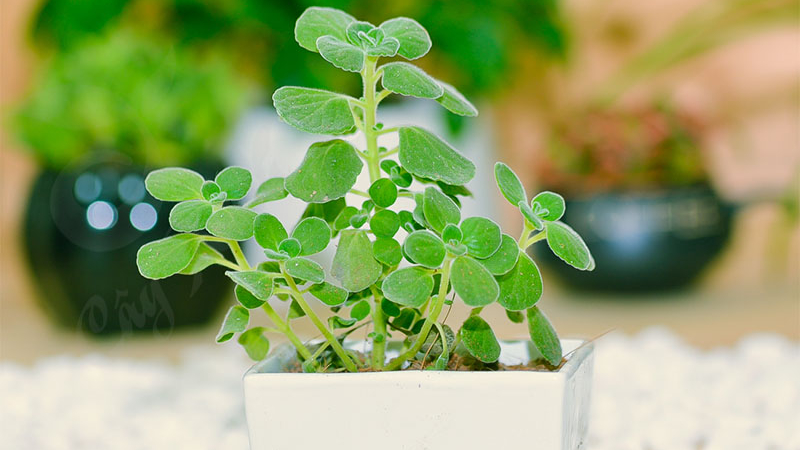
The stem of the Geranium plant has a height of 30 to 90 cm, is usually a herb or bush, and has good branching ability. The stem is soft and can break easily if pressed hard. The leaves of the Geranium plant are heart-shaped or field-shaped, dark green and have fine hairs. The leaves usually grow symmetrically on the stem. The leaf blade is round and shallowly lobed like a propeller, with rounded serrated edges. The upper surface of the leaf blade has light brown ring marks. Leaf blade size is 2-8cm, petiole is 5-6cm long. The flowers of the Geranium plant have a symmetrical shape and can be red, pink, purple or white. Flowers often grow in small clusters on long stems, forming beautiful inflorescences. The fruit of the Geranium plant is spherical, has 5 petals and contains seeds. Geranium has 2 types of shapes:
- Single geranium: a single flower blooms on each branch.
- Double geranium: the flower will bloom in clusters of 2-3 flowers on the same branch.
Geranium species usually bloom from spring to fall and can bloom multiple times a year, depending on weather conditions and habitat. The tree has good drought resistance and is suitable for growing in temperate or humid tropical climates. Geraniums are widely grown and used in flower gardens, landscapes, and can be grown in pots for indoor decoration. And there are 2 types of geraniums based on how they grow:
- Standing geraniums: branches grow tall and proud.
- Hanging (hanging) geranium: flowers and leaves tend to grow outward and then hang down extremely softly. Often grown in lovely hanging baskets.
 In addition, Geranium flowers are also used in traditional medicine, because they have cool properties, bitter taste and have the effect of clearing heat, detoxifying, eliminating inflammation, anti-irritation, pain relief and treating respiratory, gastrointestinal, psychological, dermatological, gynecological and urinary diseases. However, it should be noted that the uses and dosages of Geranium in medicine need to be done under the supervision of a specialist to ensure effectiveness and safety.
HOW TO GROW GRANIAN PLANTS
- Choose a planting location: Geraniums are suitable to be planted in a location with full sunlight or semi-shade light. The soil needs to have good drainage and be rich in nutrients.
- Prepare the soil: Before planting, the soil needs to be fertilized with organic fertilizer or synthetic organic fertilizer to provide nutrients for the plants.
- Sow seeds or grow cuttings: Geraniums can be grown from seeds or cuttings. If using seeds, they need to be sown directly into soil or planted in pots. If cuttings are used, they need to be cut from the parent plant and put into the soil.
- Watering: Geranium plants need to be watered regularly and ensure the soil is moist but not waterlogged.
- Care: Geranium plants need to be pruned periodically to maintain their shape and bushiness. Regular fertilization is needed to provide nutrients for the plant.
- The ideal temperature for growing Geraniums is from 22-28 degrees Celsius
- The tree prefers cool, pleasant climates and cannot stand the bitter cold.
- Pest control: To protect Geranium plants from pests, it is necessary to check regularly and treat problems if detected.
 Note that too much fertilizer or over watering can cause pest problems and affect the health of the Geranium plant.
CARE NOTES FOR GYMEN PLANTS
- Geraniums in particular do not need pruning. You just need to remove the spent flowers after blooming. To do this, take sterilized pruning shears and cut above the anchor point of the flower-bearing stem. Thus, you will promote the appearance of new flowers.
- Geraniums appreciate well-drained soil. Also, let the top layer of soil dry out between waterings. The soil layer is then fresh but not damp. Over-watering can cause its foliage to yellow.
Geraniums are drought tolerant but that doesn’t mean you should let them get too dry. Keep the soil moist by touching the top 2 – 5 cm, adding more water if the soil surface feels dry. Not watering the plant for a long time will cause the leaves to turn yellow and pale.
- This plant likes to be in sunlight. If you leave it in a dark place, or in a place with little or no sunlight, it will cause its leaves to turn yellow. It is best to place the plant in a place that receives 2-3 hours of direct morning sunlight.
- If you can’t find the exact problem causing yellow leaves, compacted soil may be the cause. You should loosen the soil and add some compost if you notice yellow foliage. Adding an inch of shredded leaf mulch or wood chips will also help a lot. Remove the plant from the pot and carefully examine the roots. Remove damaged leaves along with yellow and brown leaves. Re-pot the plant with fresh, well-drained growing medium.
- When weeding around geraniums, it is safer to weed manually. Not all herbicides kill Geraniums, but they will cause bleaching of the foliage. A safer approach is to use mulch, which saves you from having to use chemical herbicides.
 Hopefully through this article, you can understand more about Geranium Geranium and how to properly plant and care for the plant. Just by applying simple techniques and notes, you can create a beautiful and fragrant Geranium garden. And don’t forget that taking care of plants is also an enjoyable job and helps you relax in everyday life.
[email protected]