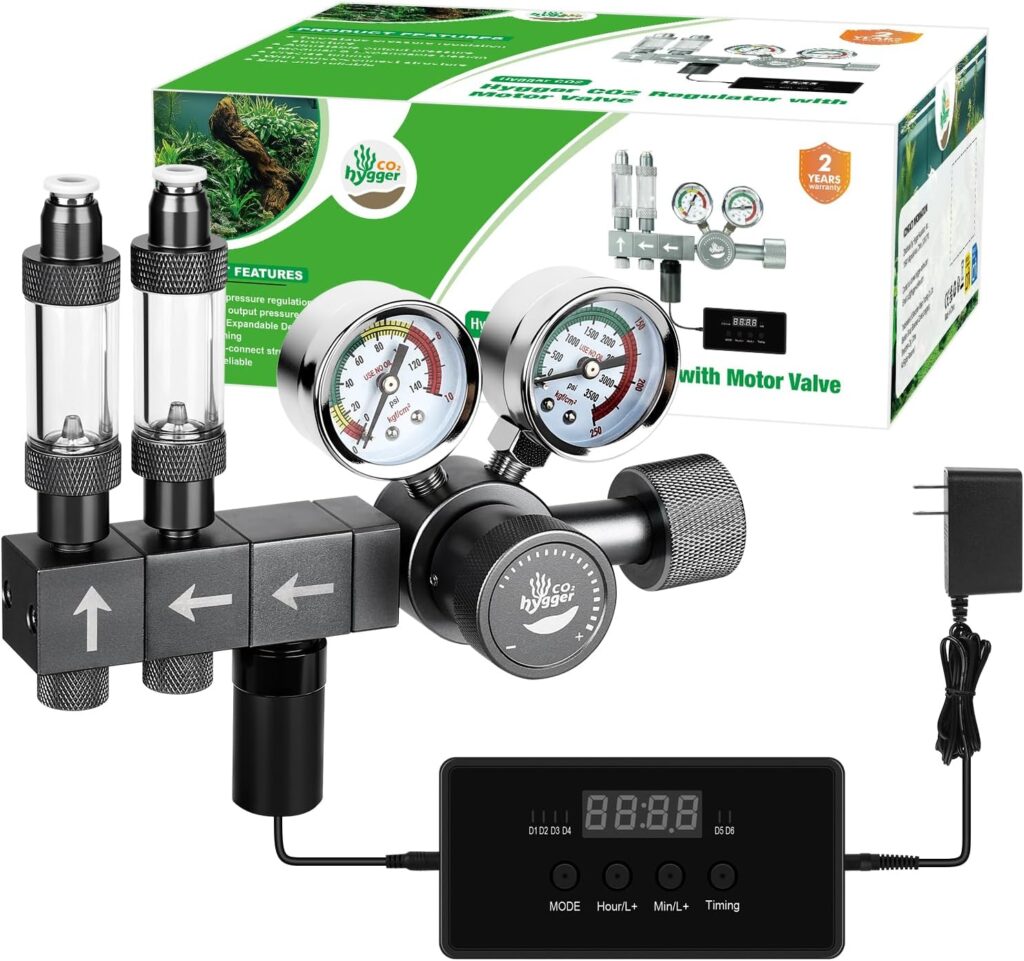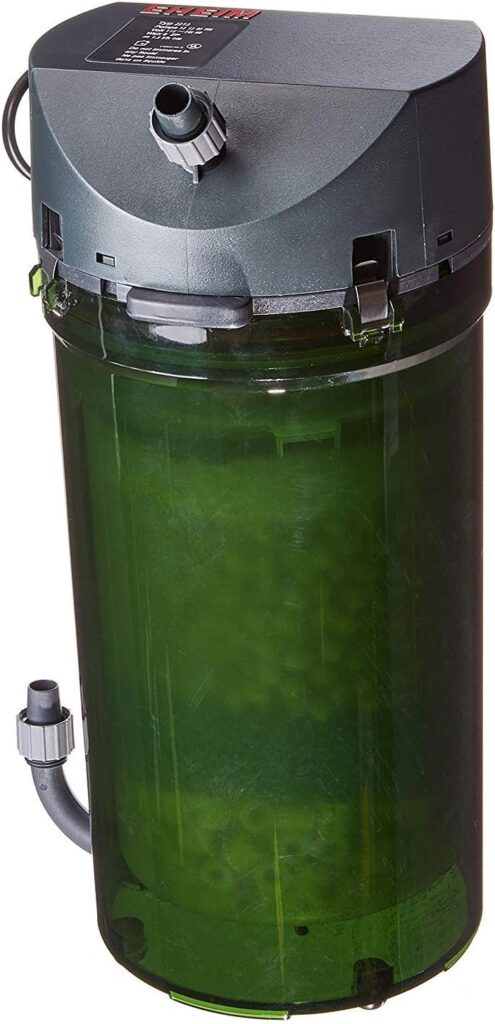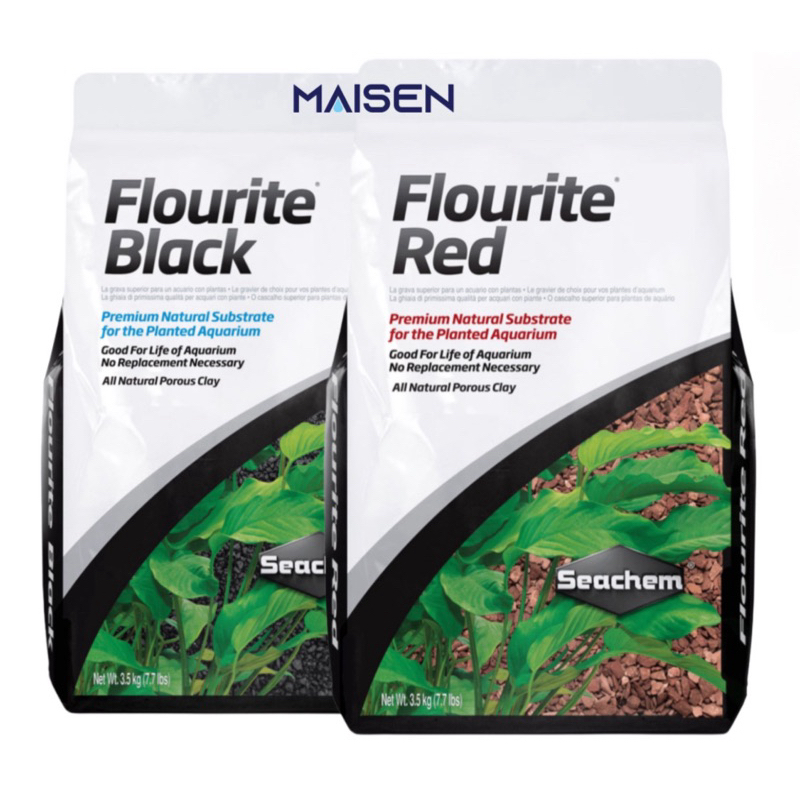
To start designing oneSaltwater aquariums are not too difficult. Here followsVietnamese aquatic lifewill show you how to make a tankSaltwater fish for those who want to set up a beautiful aquarium in their home.

Step 1: Choose fish and aquarium
Make a list of fish species you want to raise. Do all fish get along and how much water will you need? Which decorations will be preferred for the fish? Is the total amount of water suitable for the space you desire? If you are limited in your space or design, you will need to rethink the species of fish you intend to keep.
If you are just starting out with a saltwater aquarium, the tank should only contain fish and you can later add corals. However, some fish cannot help but nibble on coral and should never be introduced into a reef tank.
Step 2: Buy equipment for the aquarium
Your tank should include the following components:
- Suitable fish tank and stand
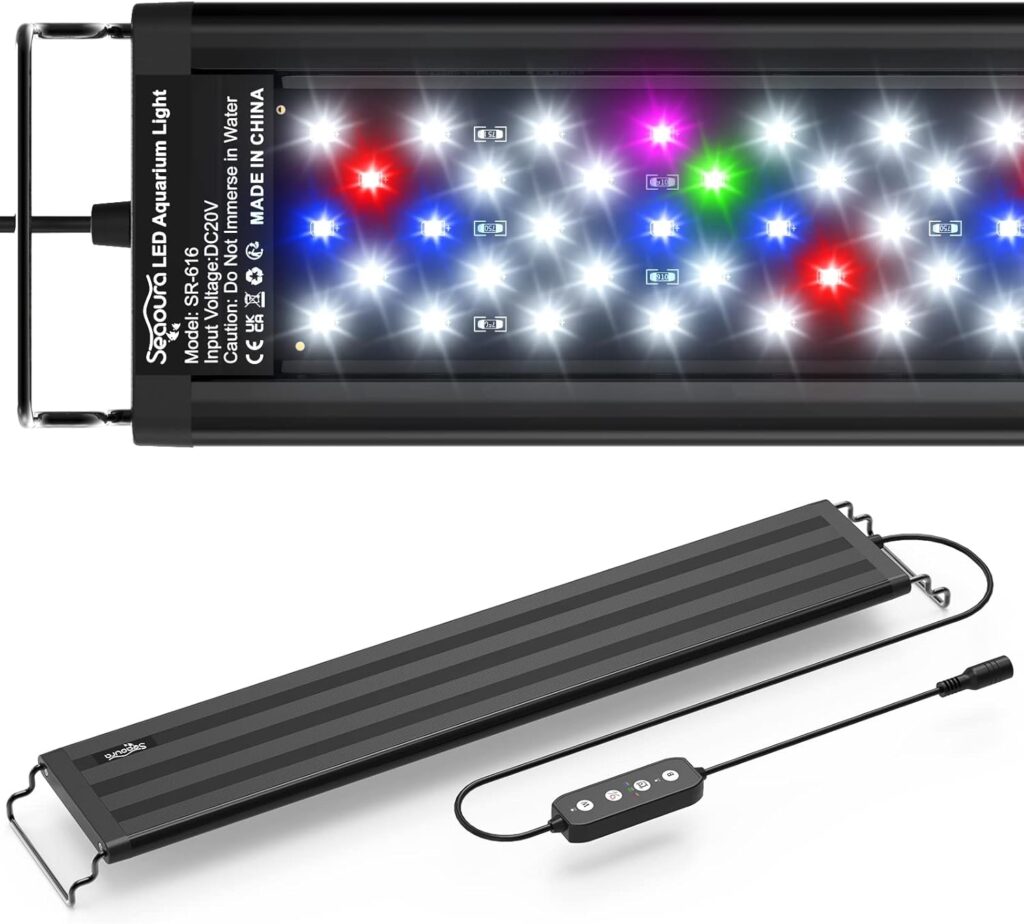
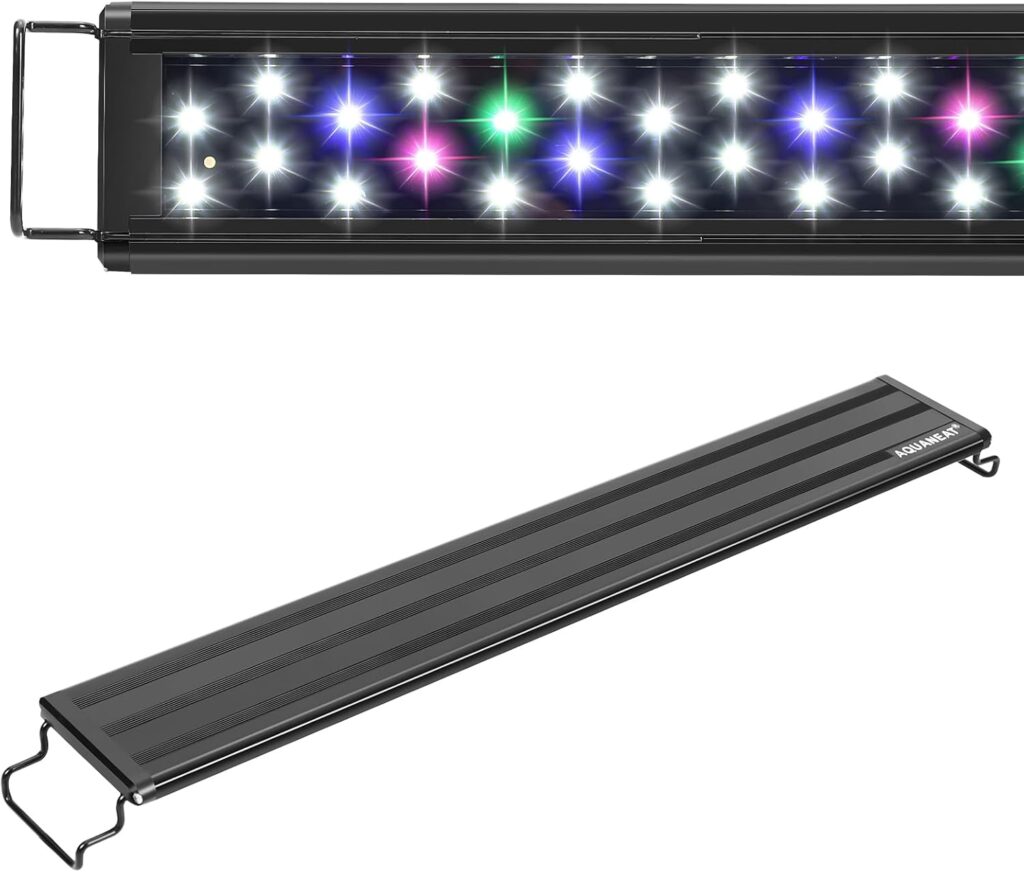
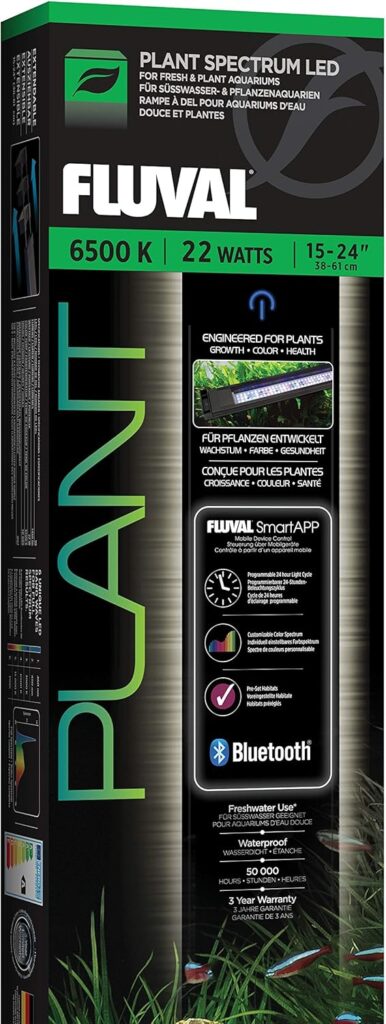
- LED lights
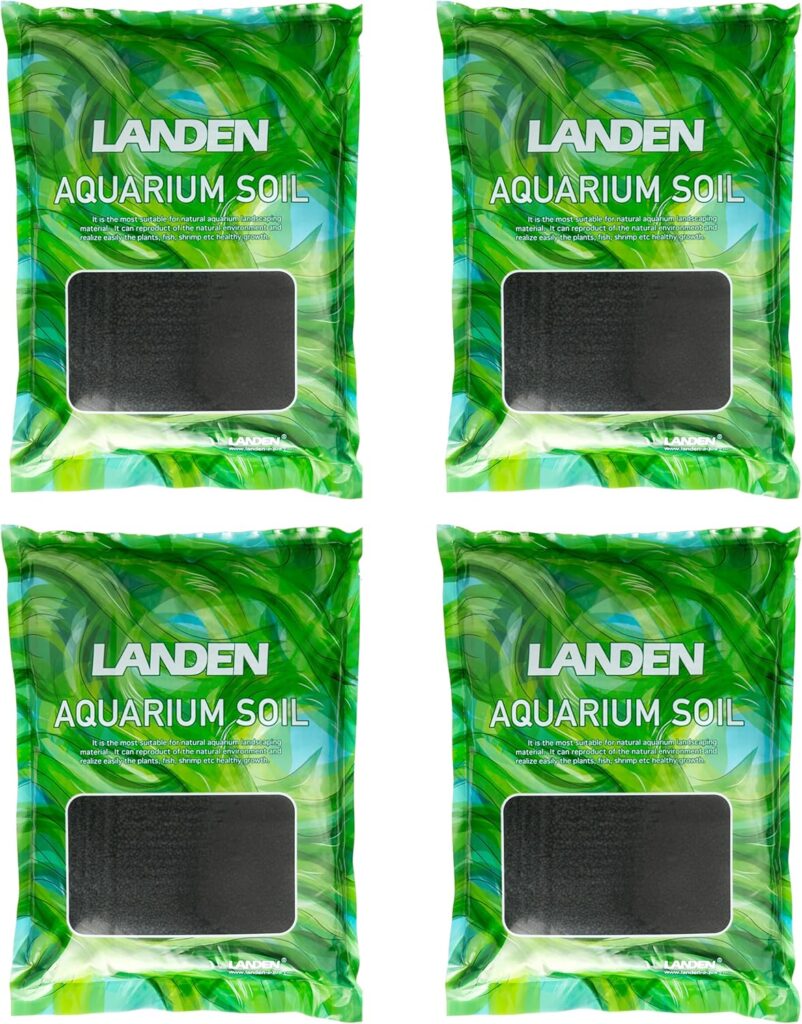
- Live rock, sand, electrical outlet
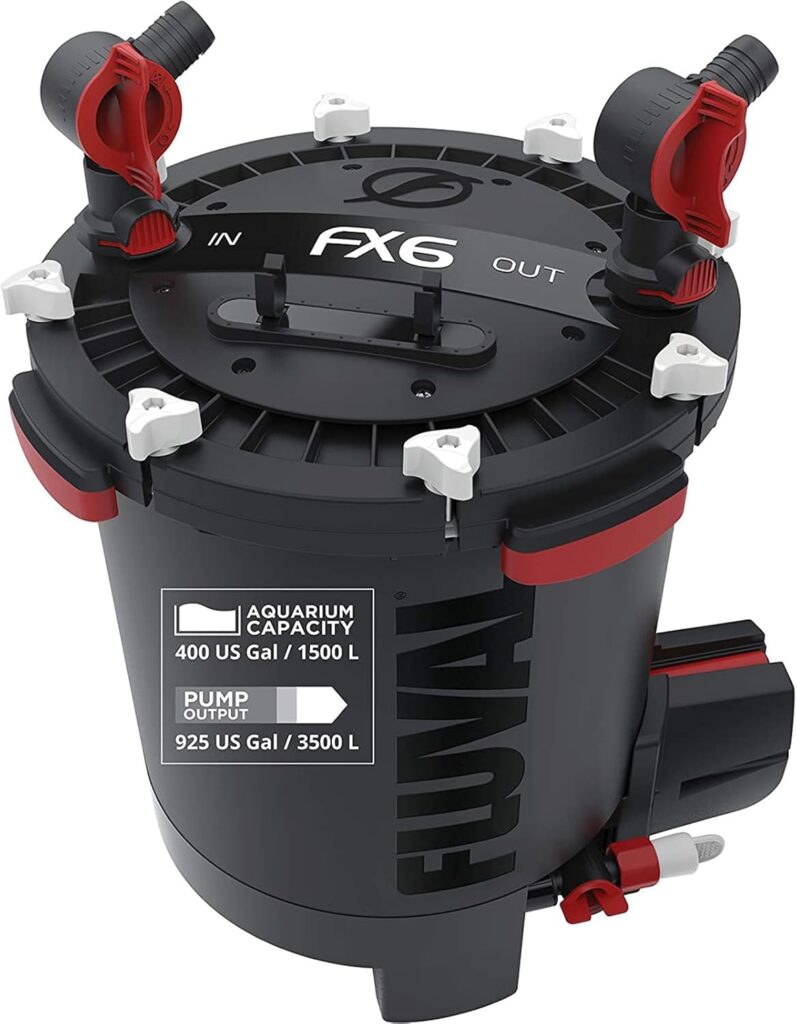
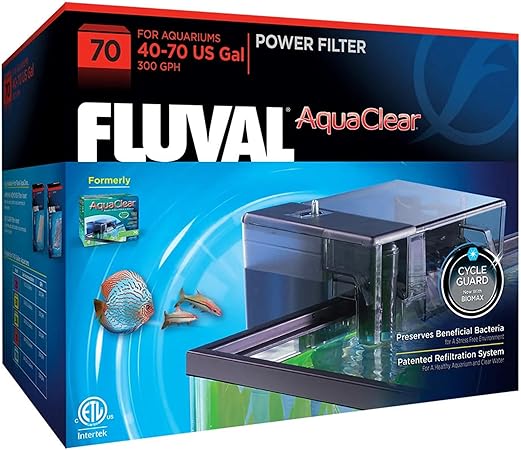
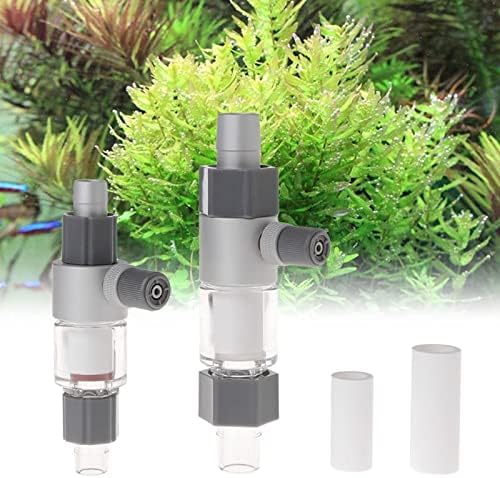
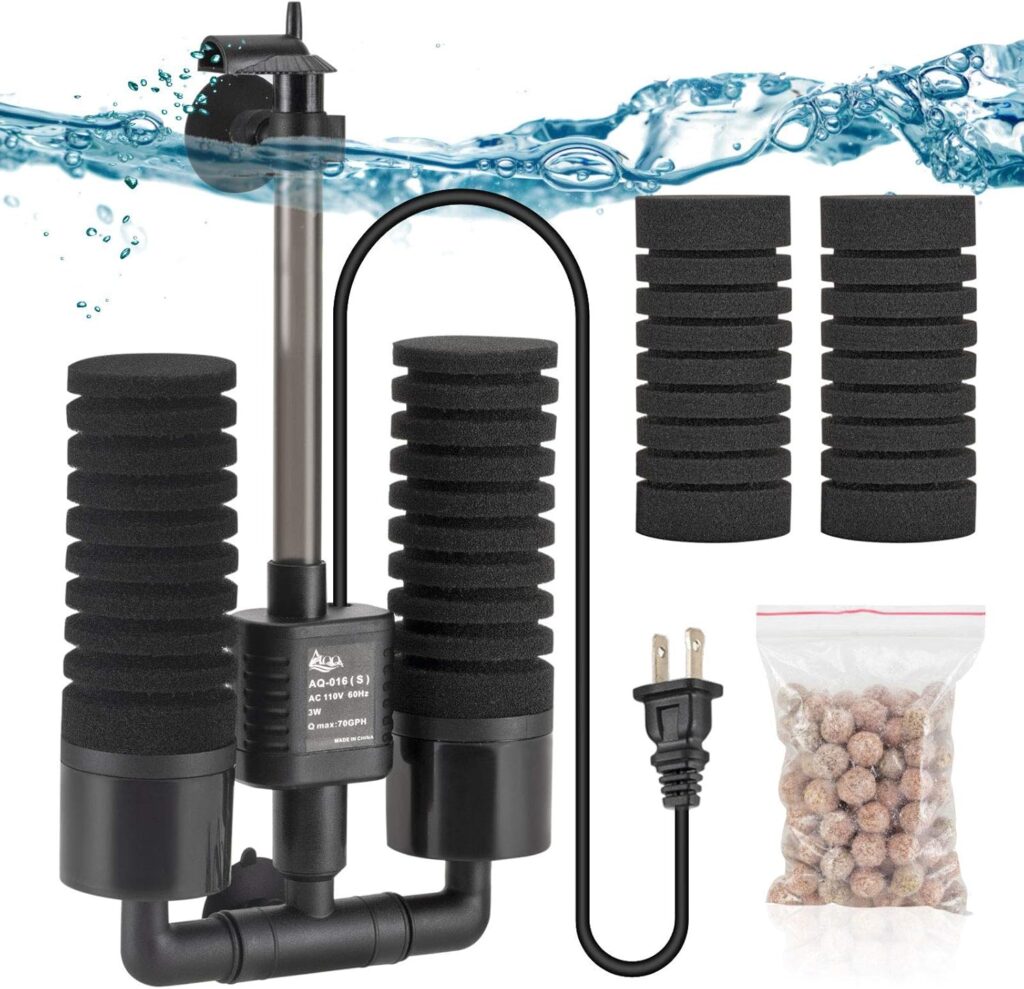
- Filter components
- Salt mixture and hydrometer
- Heater and thermometer
- Test set
- Fish tank cleaning kit
Step 3: Install the tank, racks and equipment
Once you have all the individual components, it’s time to assemble the aquarium, before you buy the fish.
Place your tank on its stand on a sturdy surface, away from any indoor cooling/heating units and outside windows. This will help keep your tank at the right temperature and prevent abnormal algae growth. A gallon of water weighs 8.34 pounds. If you feel your table, rack, etc. wobbling, rethink your position.
The first time you mix salt water, you can mix it directly in your tank. Fill the tank with source water, which may take a long time if you start using RO water and add the recommended amount of salt. Before you start mixing, you can add in your filtration components, including the tank, canister filter, and power head to direct the water flow. Also add your heater and set it to the correct temperature; Warm water will dissolve salt faster than cold water. Once they are up and running, they will slowly begin to dissolve the salt crystals.
It takes at least 8 hours to fully blend. Then, check the salinity of the tank with a hydrometer and the temperature with a thermometer. If either parameter does not match, make the necessary changes and check one hour later.
Step 4: Buy fish
No matter where you order your fish from, try to buy species that have been raised in captivity. If you buy fish from different sources, you will have to check them thoroughly before adding them to the aquarium. This will limit the spread of disease between fish species. Farmed fish are often less sick than wild-caught fish. And you must remember a few things:
- Never buy fish from a tank that already has dead fish in it
- Not just fish that you never know anything about
- Make sure the fish you buy are healthy and swimming normally
When you first start keeping your fish tank, you will experience “new tank syndrome”. By starting with live rock, you will limit this effect on the fish. And starting with moderate amounts of fish will protect you against dangerous ammonia spikes.
Step 5: Observe the phenomenon of the tank and release the fish into the tank
Over the next 4 weeks, pay attention to your water chemistry parameters, including ammonia, nitrite, nitrate, pH, kH, gH, salinity, and temperature. When water evaporates, it doesn’t carry any salt with it.
After buying fish, leave it for about four weeks for most fish species, then choose easy-going, non-aggressive fish to add first.
To make it easier for yourself, choose captive-bred fish from just one supplier to reduce the risk of spreading disease. If you add any aggressive fish to your tank, remember to add them last.
Phạm Thị Quyên