Cloudy aquarium water is a common issue that many aquascaping enthusiasts often encounter. Let’s explore with Aqua Plants Hub simple and effective ways to clear up aquarium water and keep your tank from becoming cloudy.
Causes of Cloudy Aquarium Water
- Overfeeding the fish
- Keeping too many fish in the tank leading to excessive waste
- Algae growth thriving and sticking to the glass surface of the aquarium causing cloudiness (if using a glass tank)
- Excess waste, such as leftover food producing ammonia and nitrite
What to Do When Aquarium Water is Cloudy?
1. Do not overfeed the fish
Beginners in aquascaping often fear their fish will starve, so they feed them too much and too often. Harmful levels of ammonia and nitrite can start to rise if there is too much waste or leftover food. Fish in the wild do not eat every day, and some predatory fish may only eat once or twice a week. No fish will starve in three days.
2. Do not overcrowd the aquarium
More fish means more waste and more food for bacteria that cause cloudiness. Too many fish in a new aquarium can also increase harmful levels of ammonia and nitrite.
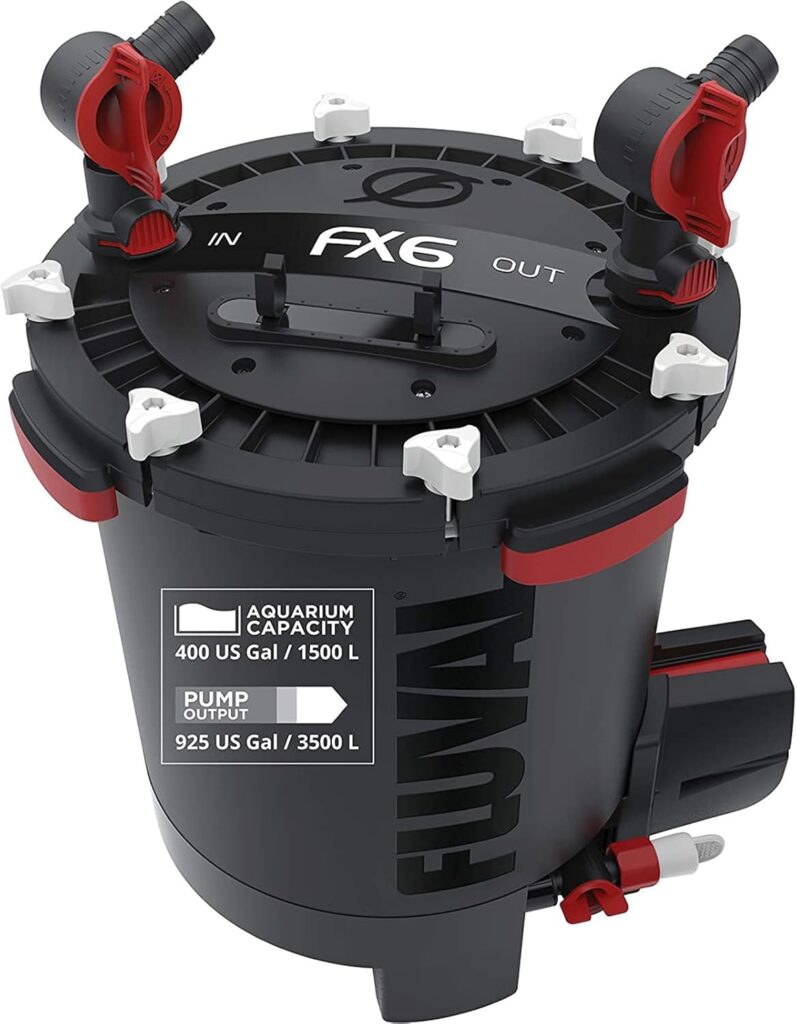
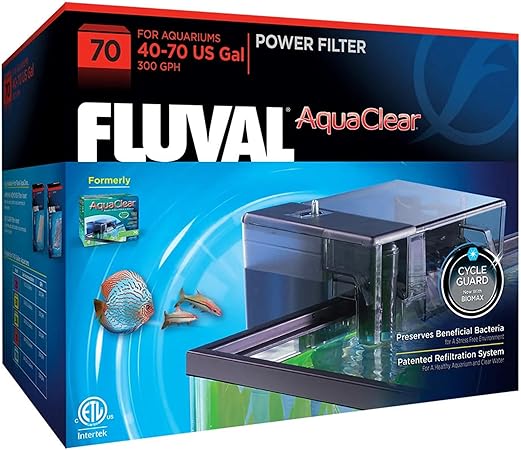
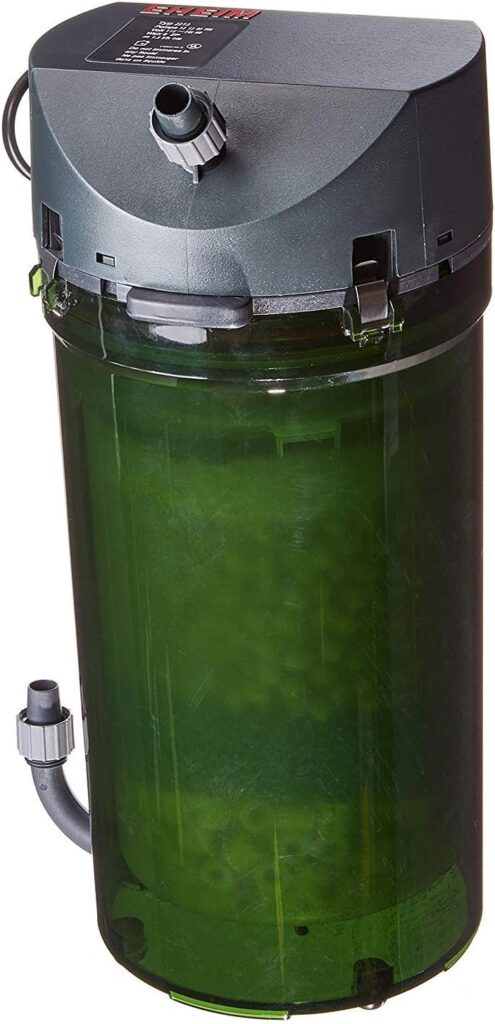
3. Add activated carbon media to the filter, whether it’s a loose pad or carbon piece
Adding activated carbon media or a carbon pad to the filter will help clarify the water and absorb nutrients that feed algae blooms.
4. Seed the aquarium
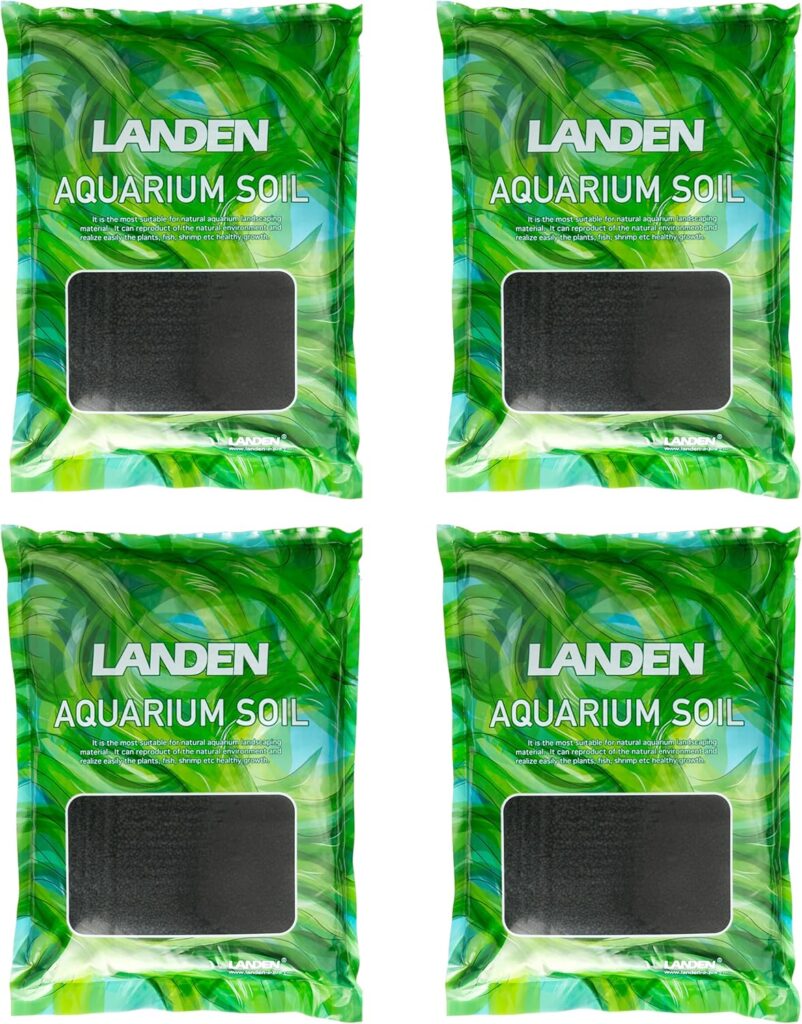
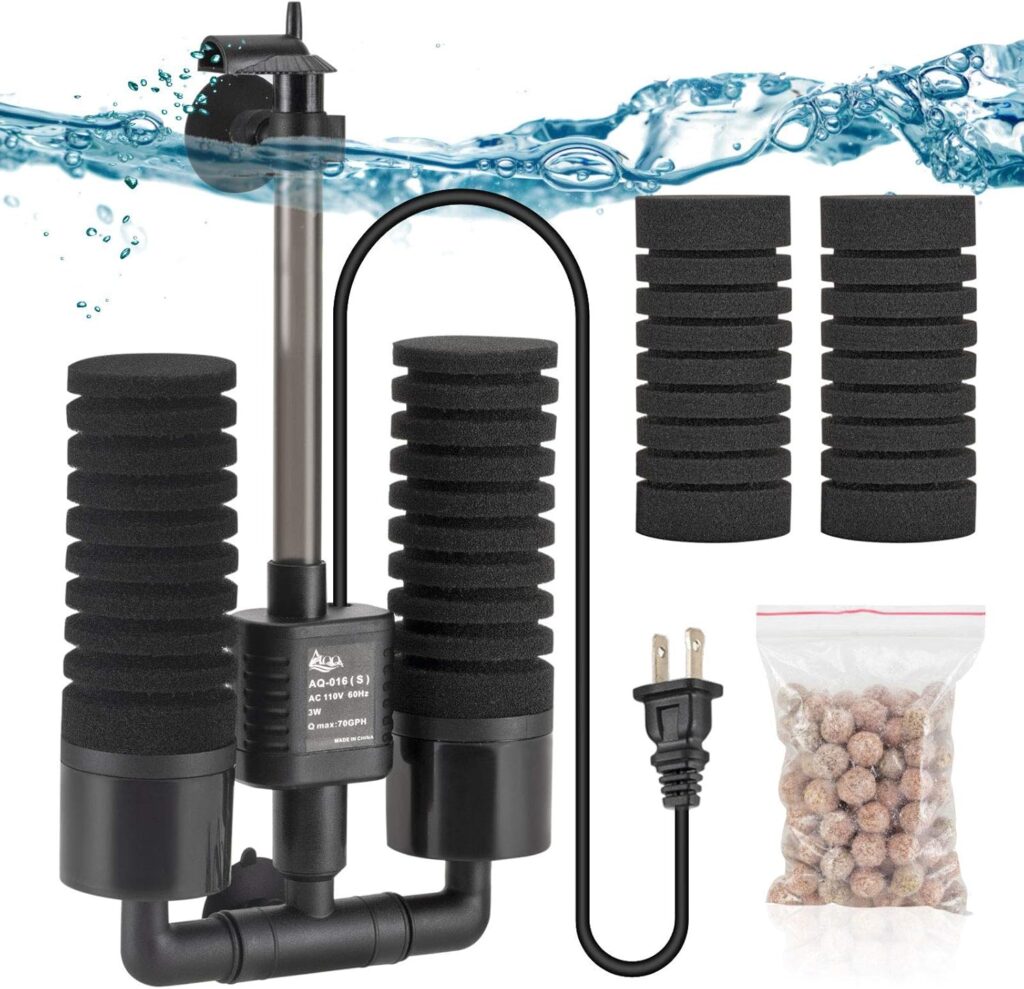
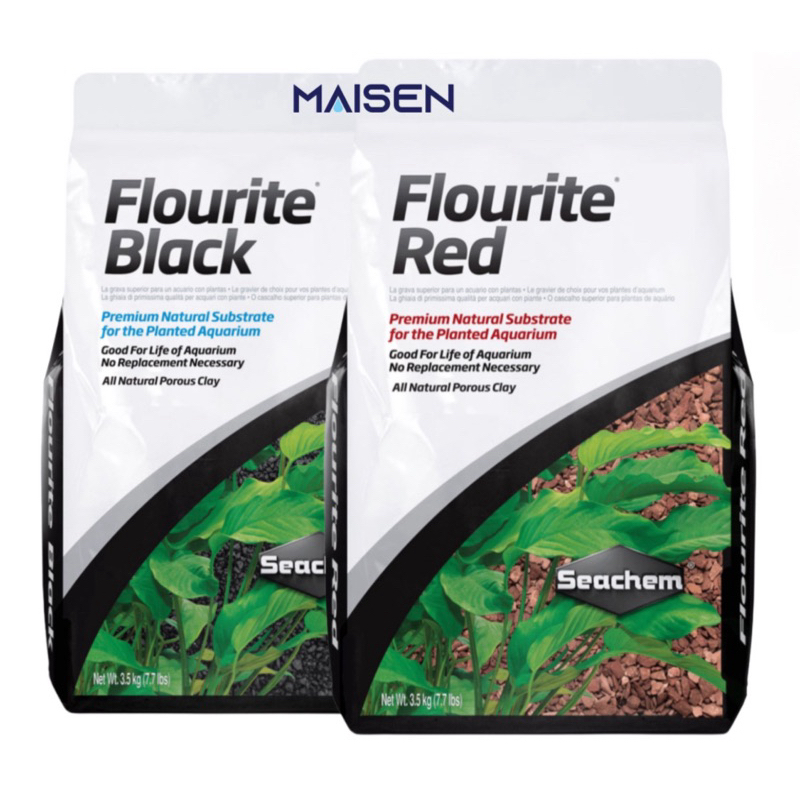
To create a healthy aquarium, adding a few handfuls of gravel will cultivate beneficial bacteria and speed up the cleaning process. Aquascaping stores have filter boxes, biological sponges, and floating wheels in aquariums available for seeding bacteria.
5. Test the aquarium water
Test the aquarium water for ammonia and nitrite as soon as the water starts to cloud. Most levels should be at zero, meaning there is no reason to worry.
When you see cloudy water in a new aquarium, be patient and wait it out. Do not add more fish, feed a little once a day, check the water, and just leave the filter alone during this time.
Phạm Thị Quyên