Learn guide
Low-Tech vs High-Tech Planted Tanks for Beginners
Learn guide
Low-tech means modest light, no injected CO₂, and slow reliable plants. High-tech means stronger light, a CO₂ system, faster growth — and faster algae if anything drifts. Beginners should default to low-tech.
- Start low-tech
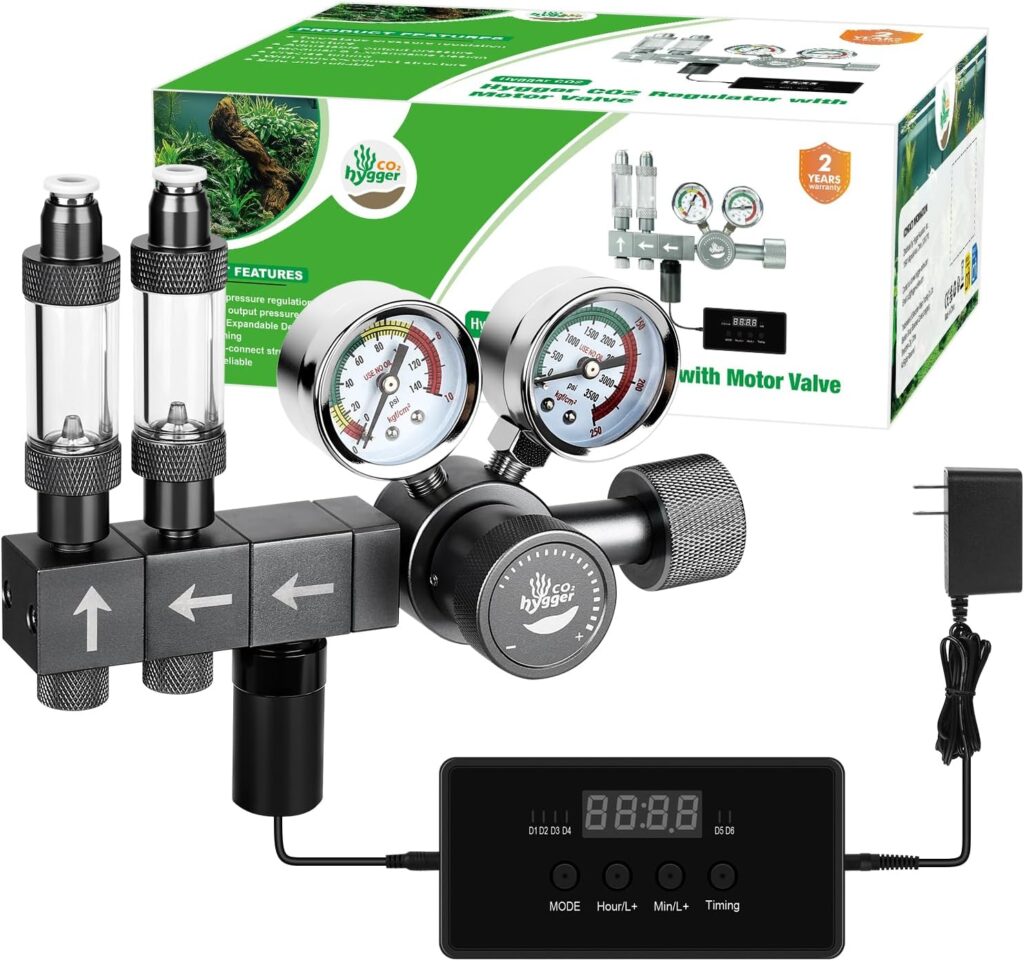
- CO₂ = high-tech
- Different plant lists
- Algae risk scales
Quick facts
| Low-tech cost | Filter + modest LED + optional lean fert (see Budget 150) |
|---|---|
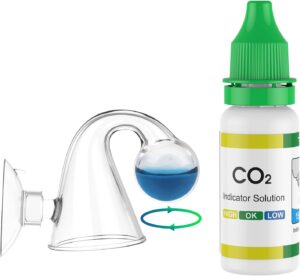
| High-tech extras | Regulator, diffuser/solenoid, drop checker, stronger light (Budget 200 CO₂) |
| Low-tech plants | Anubias, Java fern, moss, Crypt wendtii, easy stems |
| High-tech plants | Monte Carlo carpet, red stems, HC Cuba, demanding rosettes |
| Time / week | Low-tech ~30–45 min; high-tech ~60–90 min + CO₂ checks |
| Beginner pick | Low-tech first tank; high-tech as tank two |
Overview
Low-tech is the Budget 150 lane: timer, modest PAR, Anubias / Java fern / moss, optional Tropica-style fert. Growth is slow. Algae is usually photoperiod, not a missing $300 regulator.
High-tech is the Budget 200 CO₂ lane plus the CO₂ hub. You must keep the light–CO₂–fertilizer triangle honest. Carpets become realistic; so does BBA if the solenoid fails or you run 10 hours of light.
If you are still on learning path weeks 0–6, stay low-tech. Upgrade later when the tank is stable and you specifically want faster carpets — not because a shop bundled a CO₂ bottle with a nano kit.
How to choose (and not mix lanes)
-
Step 1
Write down the plants you actually want
If the list is Anubias + fern + crypt, you do not need CO₂. If it is Monte Carlo as a full carpet, you probably do.
-
Step 2
Match the BOM to that list
Low-tech → Budget 150. High-tech → Budget 200 CO₂ + drop checker. Do not buy high light for a low-tech plant list.
-
Step 3
Lock photoperiod before intensity
6–7 hours on a timer on both lanes. High-tech still fails if lights run all evening.
-
Step 4
Only then add CO₂ hardware
Regulator + diffuser + solenoid/timer + drop checker. Read the CO₂ hub before the first bubble.
-
Step 5
Dose fertilizer to the lane
Lean for low-tech; scheduled macros+micros for high-tech. Review the triangle if algae appears.
Common problems
High-tech light on a low-tech plant list
Why: PAR far above plant demand.
Fix: Dim to 40–60% or shorten hours; or commit to CO₂. BBA/GSA guides.
CO₂ kit unused in the box
Why: Bought high-tech, lived low-tech — expensive clutter.
Fix: Either install it properly or sell/store it. Running light-only with the kit unopened is still low-tech.
Carpet melting without injection
Why: Monte Carlo / HC demand carbon the tank cannot supply.
Fix: Accept a slow patchy carpet or add CO₂. Monte Carlo guide.
Fish gasping after starting CO₂
Why: Too many bubbles, poor surface exchange.
Fix: Lower rate; add surface ripple; watch drop checker — never yellow.
Livestock fits both lanes
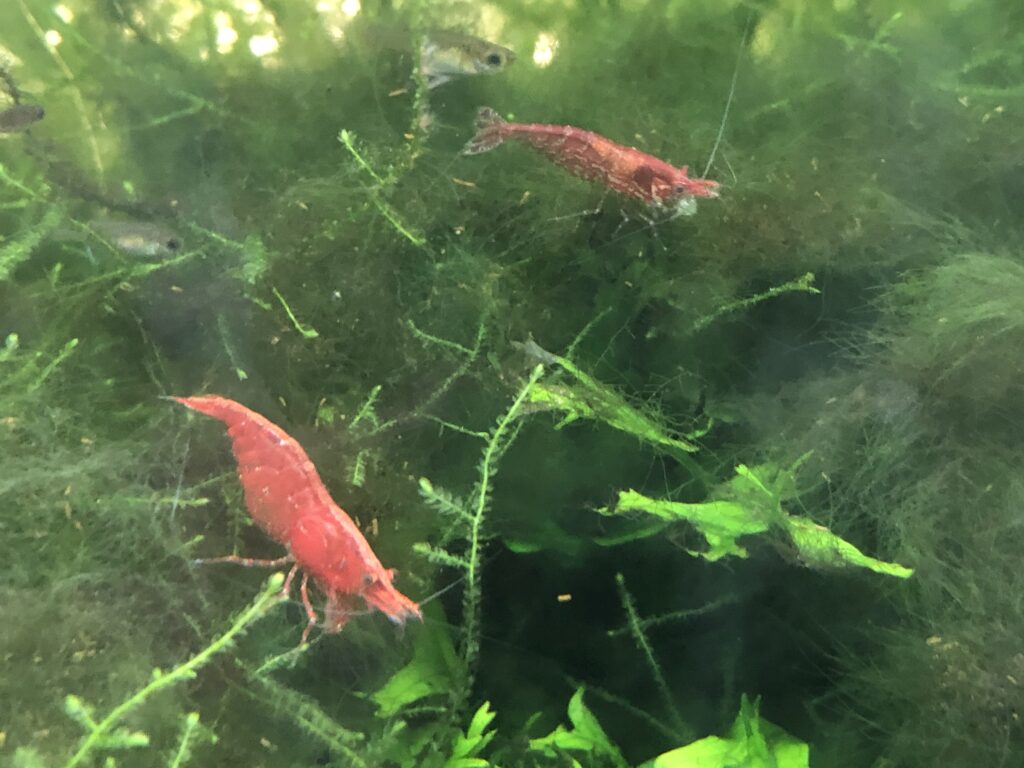
- Shrimp, neons, and otos work in either lane if the tank is cycled and copper-free.
- High-tech just means more plant mass and more oxygen during lights-on — still cycle first.
- See shrimp tank mates and fishless cycling.
Gear for this species

Budget 150 low-tech setup — Default first-tank BOM — switch to Budget 200 CO₂ only after you choose high-tech on purpose
FAQ
What is a low-tech planted tank?
Modest light, no injected CO₂, and plants that grow slowly without it — Anubias, Java fern, moss, many crypts.
What makes a tank high-tech?
Injected CO₂ plus light and fertilizer strong enough that plants would fail without that carbon.
Should a beginner start high-tech?
Usually no. Finish a stable low-tech tank first. High-tech multiplies both growth and algae mistakes.
Can I convert low-tech to high-tech later?
Yes. Add CO₂ and raise light gradually. Recheck the triangle instead of jumping both overnight.
Is soil required for high-tech?
Helpful for root feeders and carpets, not mandatory for epiphytes. Many high-tech tanks still use aquasoil.
Will high-tech stop algae automatically?
No. Balanced high-tech can be very clean; unbalanced high-tech grows algae faster than low-tech.
Aqua Plants Hub Editorial