Species guide
Anubias Nana: Care Guide (Low Light, No CO₂)
Aquatic plant
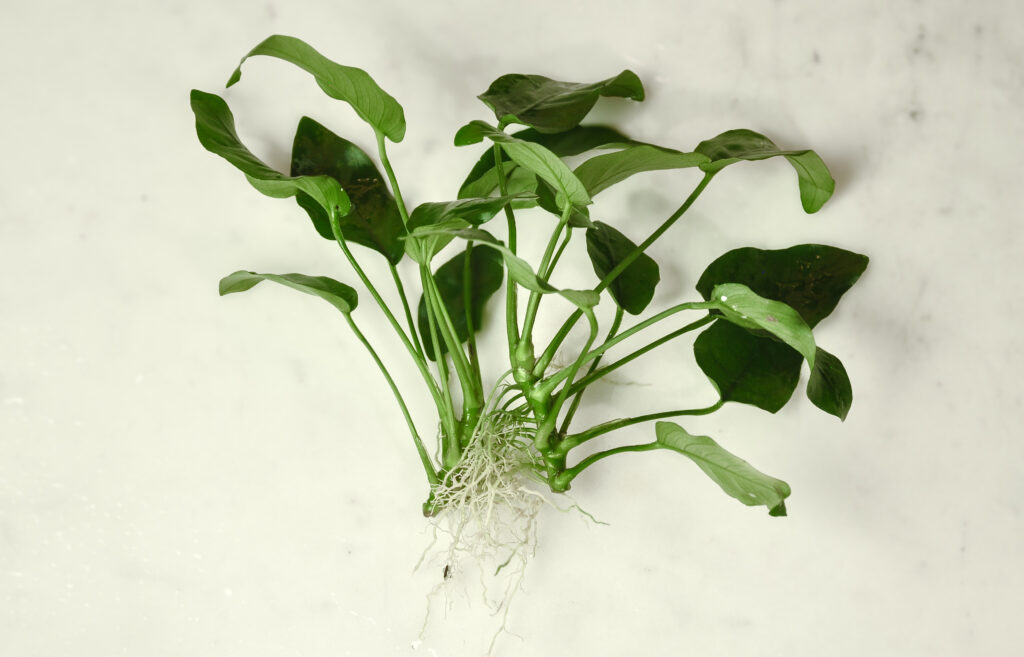
Anubias barteri var. nana is the forgiving rhizome plant for low-tech tanks. Attach it to wood or stone—never bury the rhizome—and it tolerates low light without injected CO₂.
- Easy
- Low light
- No CO₂
- Rhizome plant
Quick facts
| Light | Low–medium (avoid intense direct PAR on leaves) |
|---|---|
| CO₂ | Optional — grows fine without injection |
| Temp | 22–28 °C (72–82 °F) |
| pH | 6.0–7.5 (stable) |
| Growth | Slow; new leaves every few weeks |
| Difficulty | Beginner |
| Placement | Rhizome tied/glued to hardscape — not buried |
Overview
Anubias nana is a compact epiphyte from West Africa. It feeds from the rhizome and leaves, not buried roots. In aquascapes it anchors to driftwood, stone, or mesh pads—making it a staple in Budget 50 nano setups and low-tech scapes.
Slow growth makes it algae-resistant in balanced tanks, but high light + long photoperiod without competitors can invite BBA on leaf edges. Pair with gentle flow and realistic light hours. Use the LED power calculator before cranking intensity.
Transplant shock often looks like melting after planting—usually from buried rhizomes, not disease. Fix attachment first before changing fertilizer.
Care steps
-
Step 1
Attach — never bury the rhizome
Use cotton thread, gel super glue, or zip ties on wood/rock. Burying the rhizome causes melt within days. Aquarium-safe glue dries fast and holds epiphytes on vertical hardscape.
-
Step 2
Light & photoperiod
Start ~6–7 hours/day on a low–medium LED. Increase only if leaves stay clean and green. Check wattage with the LED calculator before upgrading.
-
Step 3
Fertilizer (light dosing)
Optional liquid micros 1–2×/week in low-tech tanks. Skip heavy macro dumps unless stems dominate the scape.
-
Step 4
Trim & propagate
Split rhizome with sharp scissors leaving 3+ leaves per section. Re-glue new portions to hardscape.
Common problems
Rhizome melt / black mush
Why: Rhizome buried in substrate or trapped under heavy rocks without flow.
Fix: Lift and reattach above substrate; trim soft tissue; improve gentle flow around the base. See melting troubleshoot if whole leaves collapse.
Holes in older leaves
Why: Normal aging, or potassium limitation in stem-heavy tanks.
Fix: Trim damaged leaves; add balanced liquid fert if stems show similar pinholes — read our pinholes guide.
Black beard algae on edges
Why: Light too long/strong vs plant mass; unstable CO₂ if injected.
Fix: Shorten photoperiod; spot-treat tufts; follow the BBA fix-order guide.
Good tank mates & companions
- Shrimp & snails — safe; grazing helps film algae.
- Betta / nano fish — fine in low-flow corners if not fin-nipping.
- Companion plants: Java fern, Bucephalandra, moss — same attach-to-hardscape logic.
- Avoid: large herbivores (goldfish, big cichlids) that graze rhizomes.
Gear for this species
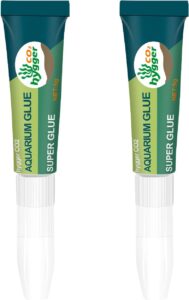
Aquarium Glue, Clear Coral Glue for Plants, Rocks, Moss, Coral, Stone, Wood – Quick Drying, Fish Safe, Freshwater & Saltwater Aquascaping – 5g (2PCS)
Uses: - Used to attach moss/epiphytes to rocks, driftwood... - Can be applied when the plant or substrate is wet - Gel form, does not dry out like 502 glue over time
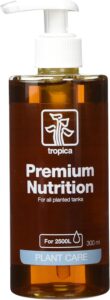
Budget 50 nano setup — Includes Anubias-friendly low-tech gear list
FAQ
Can Anubias nana grow in sand or gravel?
Only if the rhizome sits above the substrate. Roots may grip sand, but the rhizome must stay exposed.
Does Anubias need CO₂?
No — it is a classic low-tech plant. CO₂ can speed growth but is not required.
How much light does Anubias nana need?
Low to medium PAR is ideal. Very high light without algae control often causes BBA on leaf margins.
Why are my Anubias leaves turning yellow?
Often transplant shock, buried rhizome, or extreme nutrient imbalance. Check attachment first.
Can I plant Anubias nana in soil?
Do not bury the rhizome in active soil. Tie to hardscape or use an inert mesh pad above soil.
Aqua Plants Hub Editorial