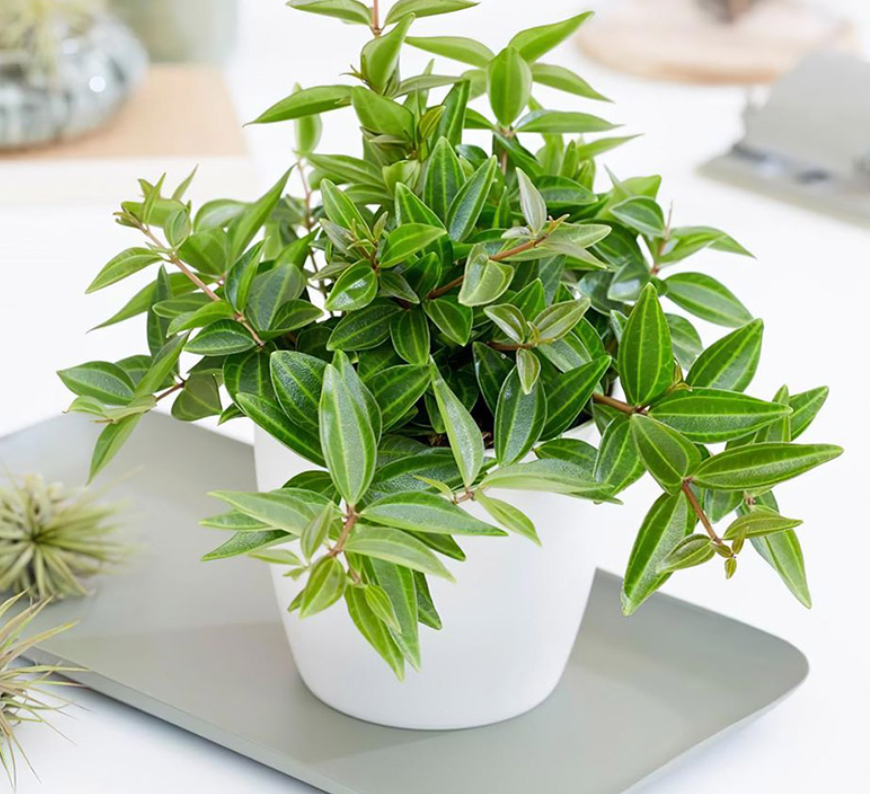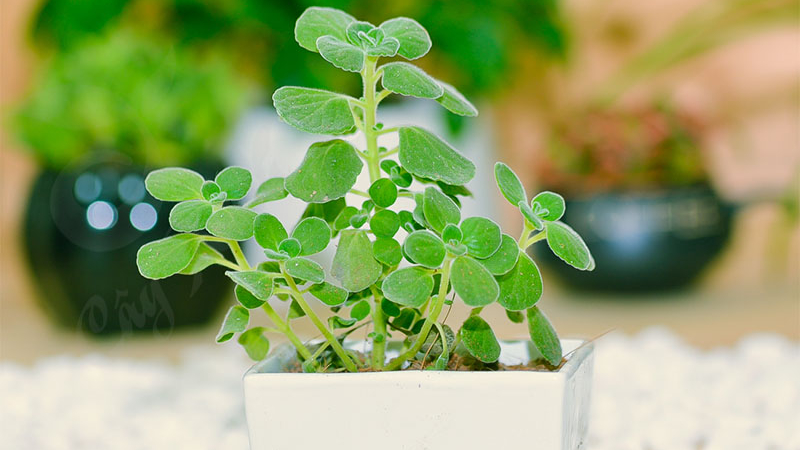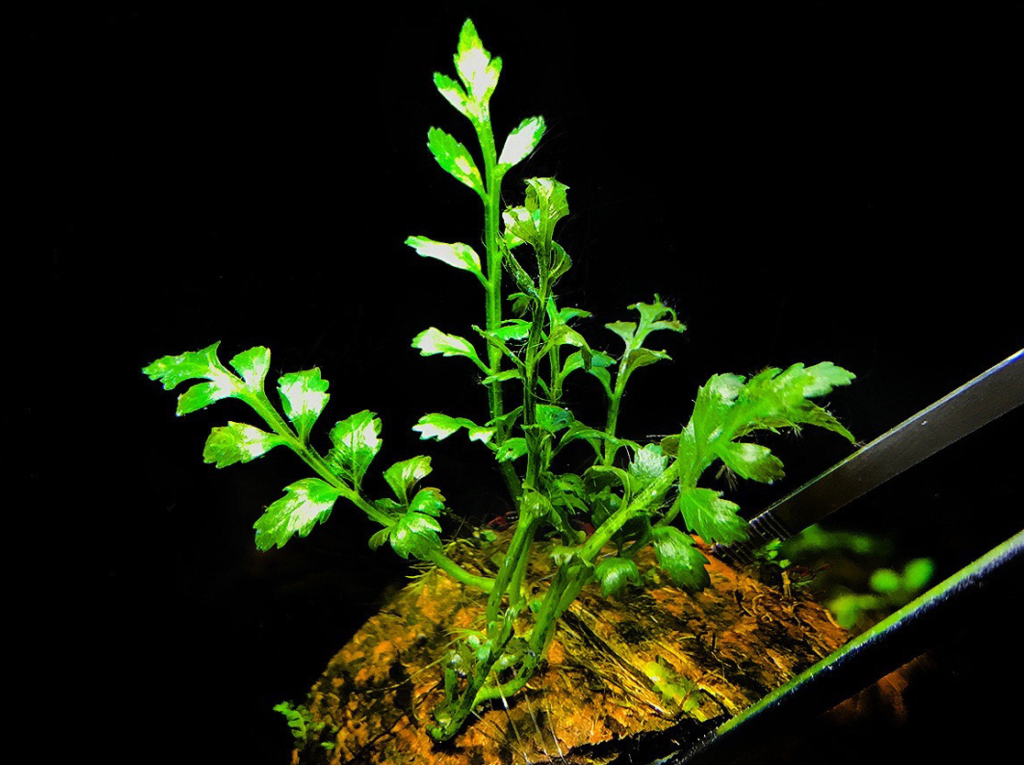
The Elatine is a species of grass, with a delicate slender body and beautiful light green color, it is a flowering plant.
They often grow in clumps and spread across the substrate in the aquarium. To achieve brighter colors and have them crawl closely to the substrate, plant the Elatine and place it in a spot that receives sunlight.

– Scientific name of Elatine: Elatine Triandra
– Planting position: foreground
– Origin: Asia
– Size: small and sprawling
– Living conditions:
- Light: medium – high
- Temperature: 10 – 28 degrees Celsius
- pH: 6.0 – 8.0
– Growth rate: fast
– Care: medium – difficult
How to plant Elatine

Planting Elatine requires the grower to be meticulous and a bit skillful.
Prepare an aquarium, spread a layer of humus soil (if available) or a thin layer of sandy soil for planting, when bringing the plant home, wash it clean, use a pair of fine-tipped tweezers (a specialized tool for planting small-stemmed plants) to separate it into small segments with roots and leaves, and insert the plants into the prepared aquarium. Note that the plants should be spaced 1.5 – 2 cm apart to ensure they can absorb enough nutrients and grow.
How to care for Elatine?

Due to Elatine’s high nutritional needs, it is essential to provide sufficient CO2 and maintain a cool water temperature for optimal growth. Be sure to trim the plants to create a beautiful carpet of Elatine in the aquarium!
In conditions where the plant does not receive enough CO2 and temperature, it can still grow, but the color and growth will not meet expectations.
Additionally, Elatine is used to check the iron content in the aquarium; when it lacks iron, the edges of the Elatine leaves will turn yellow. Regularly monitor the plants in the aquarium to determine if there is an iron deficiency and promptly supplement iron to restore the plants to their normal color.
To learn more about planting and caring for other aquatic plants, you can visit aquaplantshub.com!
Trần Thị Cẩm Nhung