Aquatic plants thrive vigorously when provided with sufficient organic compounds and minerals. Therefore, fertilizing aquatic plants is essential for aquascaping enthusiasts. However, you need to research and determine the types of aquatic plants that require specific nutrients and the appropriate quantities. Let’s explore Aqua Plants Hub to learn in detail about the nutrients for aquatic plants, helping hobbyists gain useful knowledge about it!

Signs that aquatic plants are lacking nutrients
- Nitrogen deficiency: Plants grow slowly, are quite weak with branches easily breaking, are susceptible to pests, and leaves change from green to yellow.
- Potassium deficiency: Yellow spots appear on older leaves, lemon-yellow spots on young leaves.
- Calcium deficiency: This will affect the pH of the aquatic plants, with lemon-yellow appearing on young leaves, and even leaves becoming deformed.
- Iron deficiency: Yellow leaves appear, eventually turning into transparent leaves over time.
- Zinc deficiency: The veins in the leaves turn into yellow spots.
- CO2 deficiency: Leaves start to grow slowly, even stop growing, and white spots appear on the leaves.
- Oxygen deficiency: Fish in the aquarium become exhausted, swim sluggishly, and plants have slow growth and stop developing.
- Phosphate deficiency: Yellow or dark red appears on the leaves, and the leaves become increasingly prone to dropping.

Consider supplementing nutrients for plants
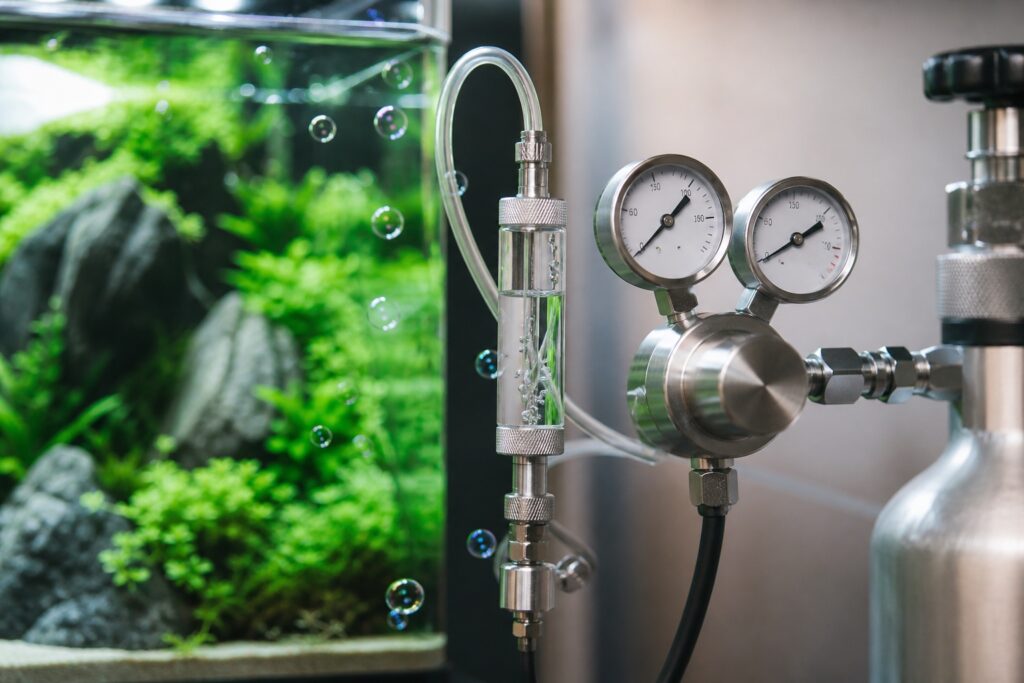
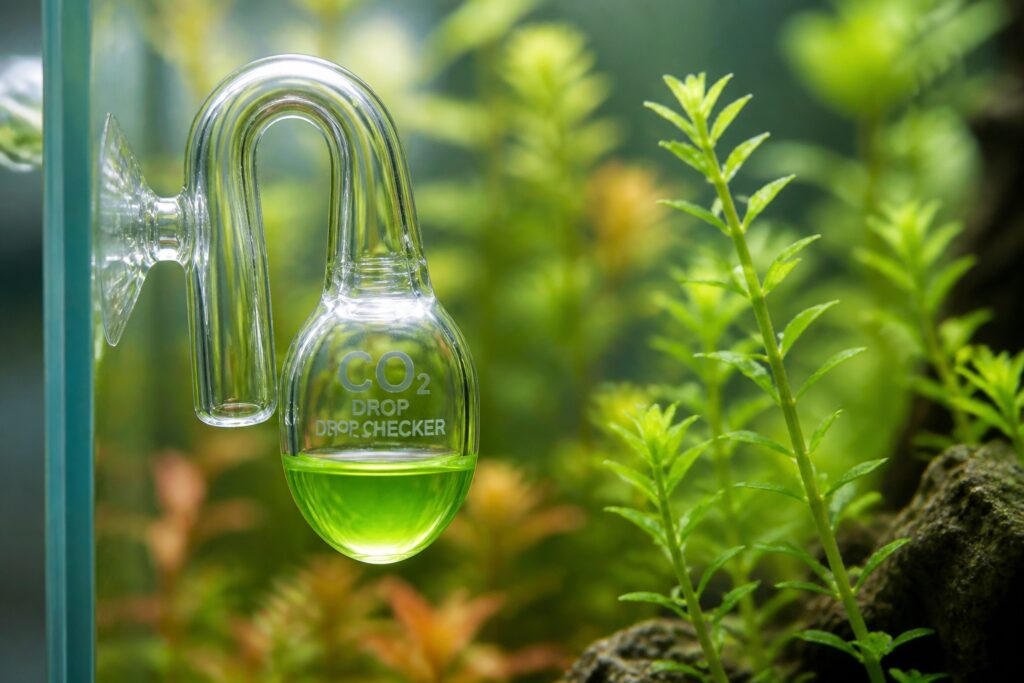
CO2 supplementation
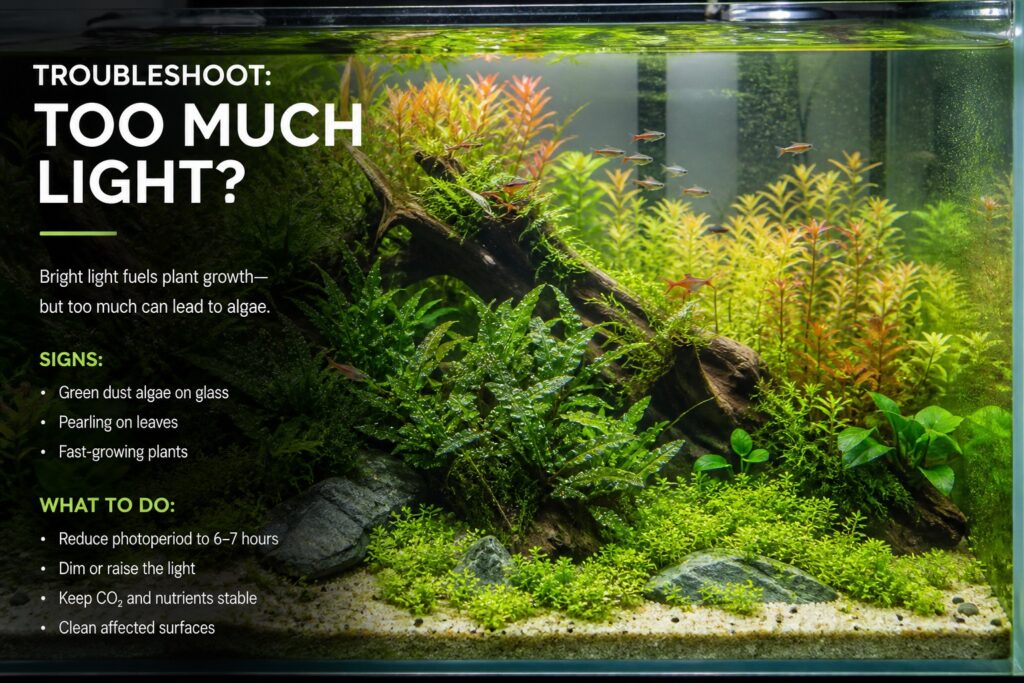
You need to supplement CO2 in appropriate amounts for the plants. If a large fish tank is provided with insufficient CO2, or if the water surface is high, it will disperse the amount of CO2. Conversely, CO2 can be in excess due to excessive light from the plants.
Check substrate
The substrate above the ground may occasionally show signs of compaction or dissolve after many days of cleaning. Additionally, if hobbyists notice bubbles on the surfaces of the leaves, they need to replace the substrate because this is a sign that the substrate is too old and unsuitable for the healthy growth of aquatic plants.
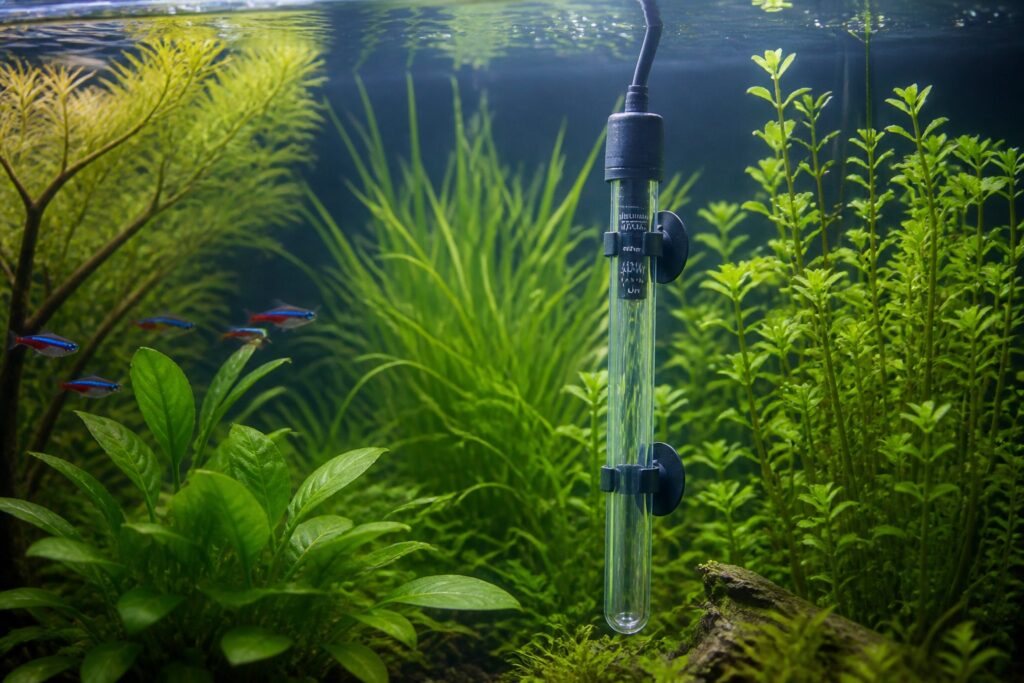
Measure water temperature
If the water temperature in the tank is not monitored, whether too low or too high, it will affect its development, even causing the plants to become exhausted over time. Specifically, if the water temperature is too high, small leaves will have large gaps from the smaller leaves.
Hope the article “Nutrients for aquatic plants should not be missed” from Aqua Plants Hub will provide you with all the necessary information to easily choose and care for the best hydroponic aquatic plants!
Đào Thị Hoa Lài