Troubleshoot
Cryptocoryne Melt: Normal Adaptation vs Real Problem
Crypts famously melt to the rhizome after parameter or location changes. Most recover if you don’t dig them out in panic—unless the rhizome is already soft and rotten.
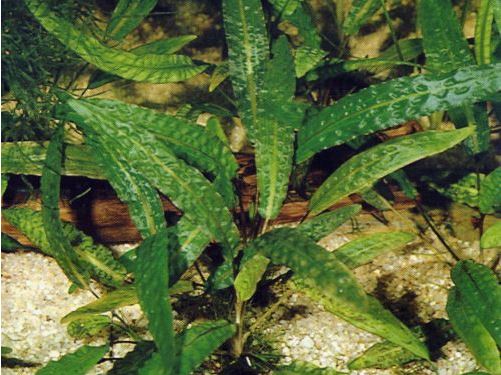
- Crypt melt
- Rhizome
- Parameter change
- Patience
What you’re seeing
Crypt melt is common—and often survivable. Separate leaf loss from rhizome death.
| Pattern | Meaning |
|---|---|
| Leaves collapse to mush days after move/replant; rhizome firm in substrate | Normal transplant melt — wait for spears |
| Melt after a big water change with different GH/KH or temperature | Parameter swing trigger |
| Rhizome soft, black, smelly; mush spreads in the substrate | Rot — remove before it fouls the bed |
| All plants melting, not just Crypts; ammonia present | Tank-wide chemistry — not Crypt-specific |
New pointed leaves (spears) in 1–4 weeks mean the plant is alive. Empty soft mush at the crown means it is not.
Likely causes (ranked)
Normal transplant melt
Cryptocoryne hates sudden change. Leaves often reset after shipping, replanting, or moving tanks even when the rhizome is healthy. Digging them out “to save them” usually kills the recovery.
Quick test: Firm rhizome; recent move; new spears may appear in weeks.
GH/KH or temperature swing
Large water changes with very different hardness or a cold/hot mismatch commonly trigger melt. Match temperature and avoid shocking GH overnight.
Quick test: Melt follows a big WC with different source water.
Buried or damaged rhizome
Fully burying Crypt rhizomes like bulbs invites rot. Crushed tissue turns soft and black.
Quick test: Soft black rhizome; foul smell; no spears.
Severe nutrient / chemistry crash
Whole-tank stress (ammonia, zero macros for weeks) hits Crypts too—but other plants usually fail with them. Crypt melt after replanting or parameter swings is often temporary if roots and rhizomes stay firm. Panic fertilizer dumps rarely stop melt mid-episode.
Quick test: Multiple species failing; test kit confirms toxins or extreme lean crash.
Fix order
-
Step 1
Do not dig healthy rhizomes
Trim mushy leaves at the base. Leave a firm rhizome correctly seated—half the panic removals destroy recovering plants.
-
Step 2
Stabilize water for 2 weeks
Match temperature on water changes. Avoid huge GH jumps. Keep filter running.
-
Step 3
Low–moderate light while recovering
Crypts do not need blast LEDs to rebound. Moderate light reduces algae on dying leaves.
-
Step 4
Wait for spears; remove only rot
Pointed new leaves = success. Soft black rhizomes should be removed so they do not foul substrate.
Root check: Gently feel the crown—if roots are white/firm, leave the plant and wait for new leaves. Mushy black crowns are different: remove rot to protect the tank.
Stability: Avoid big temperature/KH swings and deep substrate digging around remaining crypts while they recover.
When to escalate
- General plant melt after planting → Plant melt guide.
- Yellowing without Crypt-only melt → Yellow leaves.
- Ammonia > 0 → Ammonia spike.
- CO₂ instability → CO₂ hub.
Calculators → All calculators.
Helpful products
Related guides
- Plant melt — Related
- Yellow leaves — Related
- CO₂ hub — Stability
- All calculators — Tools
FAQ
Is total leaf loss fatal for Crypts?
No—if the rhizome is firm, regrowth is common within weeks.
Should I dose extra fertilizer during melt?
Keep stable lean dosing; don’t shock with mega doses. Root tabs help more than spiking water-column N.
Emersed Crypts melt underwater?
Often yes—expect conversion similar to other emersed plants.
How long before I give up?
If the rhizome stays firm, give 3–4 weeks for spears. Soft/black tissue can go sooner.
Can I bury the rhizome deeper to “hold” it?
No—burying Crypt rhizomes increases rot risk. Seat them properly instead.
Should I pull every melted crypt?
Only remove tissue that is soft and rotting. Firm crowns often rebound with new leaves in weeks.
Is crypt melt contagious?
It is usually environmental stress, not a plague. Still quarantine new plants for pests/snails as usual.
Aqua Plants Hub Editorial