49 - 12/11/2023, 3:13

Sandy sedimentary bottom area in Ndole Bay, Lake Tanganyika, Zambia,

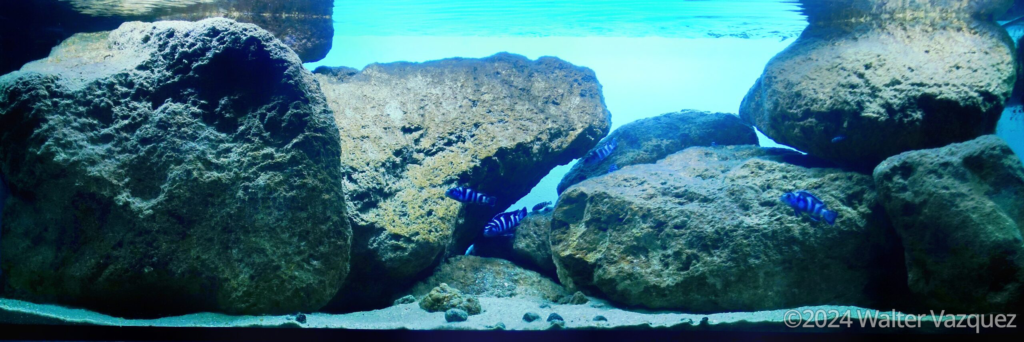
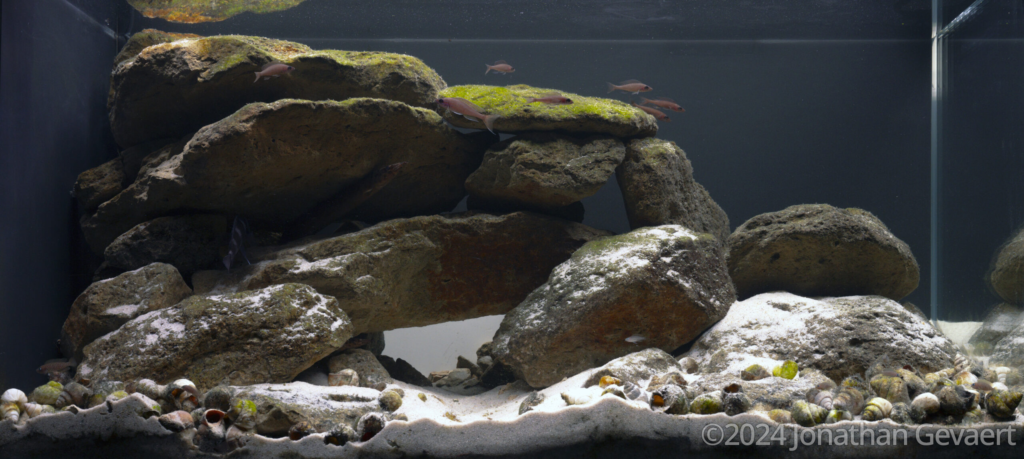
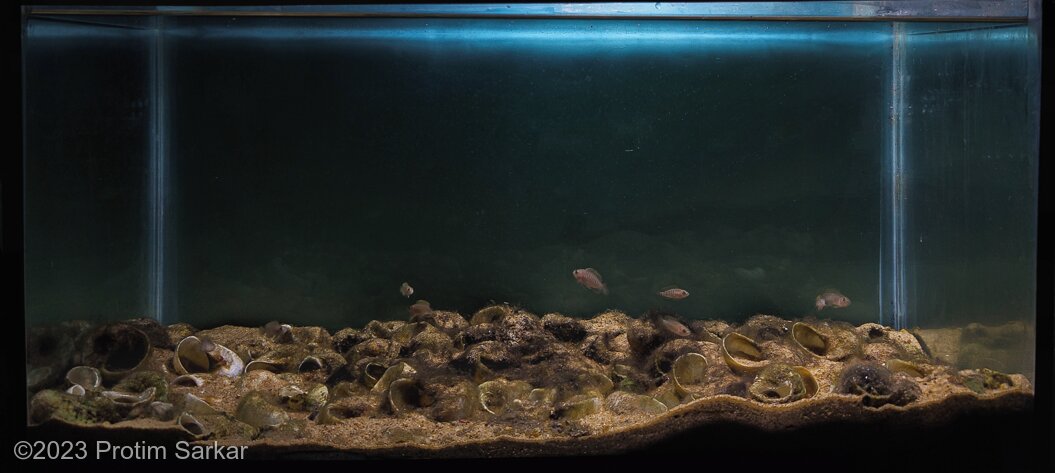
A mid-size aquarium layout featuring Sandy sedimentary bottom area in Ndole Bay, Lake Tanganyika, Zambia,, 125L, by Protim Sarkar. The hardscape focus sits on Here in this 125L aquarium, I have used extremely fine river basin sand with large amount of coral bone as substrate. I couldn’t find the Neothauma tanganyicense as these shells are now forbidden to collect. So I have used plenty of Turbo Shells, Tomato Shells and Shark Eye Shells to form the Shell Cluster..

Read the stone and wood (Here in this 125L aquarium, I have used extremely fine river basin sand with lar…) as visual pathways before judging the plant mass. For the Background, I have used Blue Vinyl. substrate helps stabilize root-zone nutrition in the early weeks.

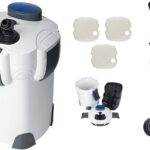
Philips 6000K RGB LED tubes (1 piece) lighting sits at a moderate-to-high technical level for this mid-size aquarium. Sunsun HW-304B External Canister 525gph with 500 grams of media for Chemical and Biological Filtration. filtration needs enough turnovers without blasting the hardscape; browse matching filters.

Use the specs table as a shopping checklist for equivalent gear — then explore Biotope.
Setup specifications

Dimensions90 × 45 × 30 cm
Layout nameSandy sedimentary bottom area in Ndole Bay, Lake Tanganyika, Zambia,
Volume125L
BackgroundFor the Background, I have used Blue Vinyl.
LightingPhilips 6000K RGB LED tubes (1 piece)
FiltrationSunsun HW-304B External Canister 525gph with 500 grams of media for Chemical and Biological Filtration.
PlantsN/A
Fish / shrimpLamprologus multifasciatus 16 pieces (12 female, 4 male)
HardscapeHere in this 125L aquarium, I have used extremely fine river basin sand with large amount of coral bone as substrate. I couldn’t find the Neothauma tanganyicense as these shells are now forbidden to collect. So I have used plenty of Turbo Shells, Tomato Shells and Shark Eye Shells to form the Shell Cluster.
NotesThe 125L aquarium comprises of only Lamprologus multifasciatus. Here the colony of fishes swims around the open area of the field, grazes over the algaes upon the cluster of shells. When one fish chases another fish, that fish takes shelter inside the shell. Lamprologus multifasciatus forms colonies around shell formations, where a male lives and reproduces with several females. The parents live together with their young, who care until they become young and then integrate into the colony.
This area also has large clusters of algae in the substrate that act as both a barrier for young fish or fry and a source of microorganisms for them to feed on. This area is depicted in my aquarium in an effort to visually and practically replicate the environment for the cichlid species that call it home.I can experience its behavior as much as the interaction with the environment, its feeding and reproduction, as if they were in their natural hábitat.
Category SponsorPrevious
AquascapeBiotope Aquascape

Related posts