Ferns are a highly aesthetic type of plant widely used in landscape architecture. However, low light conditions can affect the health and growth of ferns. Therefore, choosing the right type of plant that suits the light conditions of the environment is very important.
FERNS AND THEIR ABILITY TO ADAPT TO LOW LIGHT
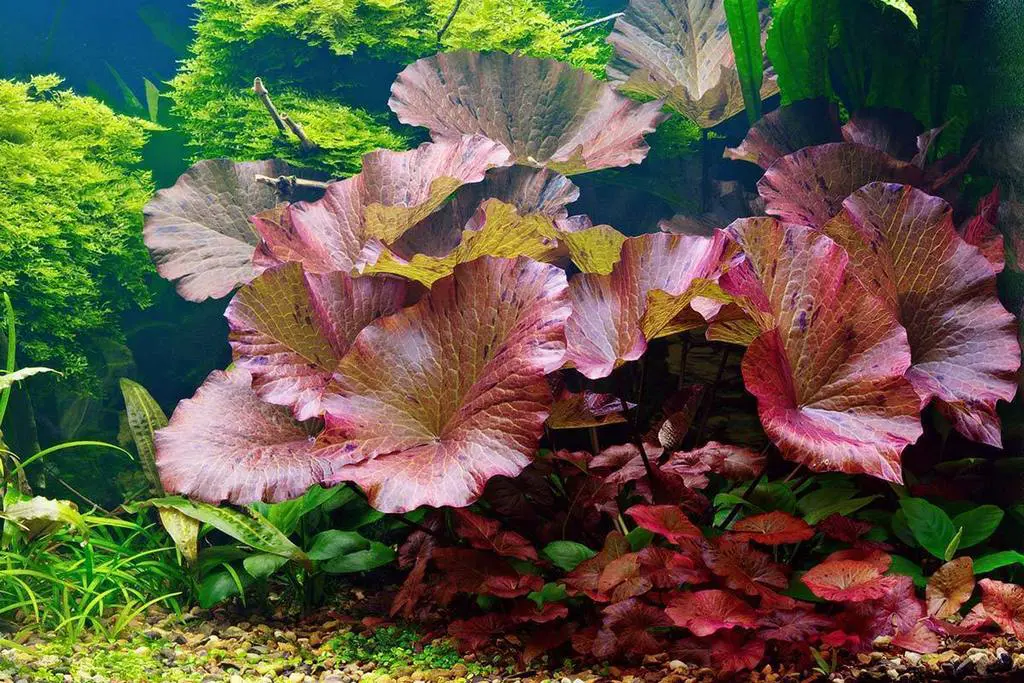
Ferns are also commonly used in aquariums. This is a type of ornamental plant that can thrive in aquatic environments and create a beautiful scene for the aquarium. Ferns are often planted in aquariums to provide shade for fish and other aquatic organisms, while also helping to balance the ecosystem of the tank.
Some types of ferns can grow well in low light environments, creating a natural beauty and enhancing the vibrancy of the surrounding environment. However, these plants also need at least 4 to 6 hours of direct sunlight each day to grow and thrive best.
CARING FOR FERNS IN LOW LIGHT CONDITIONS
To help ferns grow well in low light conditions, it is essential to ensure they receive adequate nutrients and water. In particular, attention should be paid to proper fertilization and watering to ensure ferns develop well.
Additionally, protecting ferns from weather impacts such as wind, rain, and sun is also very important. Therefore, it is advisable to choose a suitable location to plant ferns to avoid adverse weather effects.
USING ARTIFICIAL LIGHT TO SUPPORT FERNS
In cases where light conditions are too weak, using artificial light is a good way to help ferns grow better. However, it should be noted that artificial light can also affect the health of the plants if used incorrectly.
Therefore, it is necessary to ensure that artificial light is used correctly, especially regarding brightness and lighting duration. Typically, it is advisable to use LED lights with red or blue colors to support ferns’ growth better in low light conditions.
However, artificial light should not be used excessively, as this can affect the plant’s biological cycle and hinder their growth. Additionally, attention should be paid to the lighting duration to avoid disrupting the plants’ sleep.
SOME TYPES OF FERNS THAT CAN ADAPT TO LOW LIGHT CONDITIONS
Below are 3 types of ferns from the Polypodiaceae family that originate from Southeast Asia. However, they have some differences as follows:
- Microsorum pteropus (Java Fern): This fern species has large, thick leaves that resemble a leaf about to burst. Its leaves are dark green, and the leaf stems have fine fragments. Java Fern is often planted on rocks or wood in aquariums and can thrive well in low light conditions and slow-moving water.

- Microsorum sp. “needle leaf”: This fern species has longer and narrower leaves compared to Java Fern, with a bright green color and finer texture. The leaf stems are also fragmented like Java Fern but are usually softer. Needle Leaf is often planted in small aquariums and can grow well in low light conditions.

- Microsorum sp. “Trident”: This fern species has triangular-shaped leaves, bright green in color, and as fine as Needle Leaf. However, the leaves of Trident have slightly curved edges and a finer tip. The leaf stems are soft and similar to other Microsorum species. Trident is often planted on rocks or wood and can thrive well in low light conditions and slow-moving water.


Additionally, there are:
- Bolbitis heudelotii originates from Africa and is often used to create a natural landscape in aquariums. This plant has slender stems, dark brown in color, and dark green leaves shaped like fabric leaves. Bolbitis heudelotii is often planted directly into rocks or wood and does not require soil to grow. This plant can adapt to various light conditions and thrives well in water with a pH of 5 to 8.

- Ceratopteris thalictroides originates from the tropical regions of Asia, Australia, and Africa. The plant is called “Water Sprite” due to its small leaves resembling sprite leaves and is often used to create landscapes in aquariums. It has soft stems and dark green leaves stacked on top of each other. Water Sprite has a rapid growth rate and adapts well to low light environments. It is often planted in soil or directly into rocks or wood.


CONCLUSION
Above are the types of ferns that can adapt to low light conditions, along with care tips and the use of artificial light to support their better growth. Choosing the right type of plant that suits the light conditions of the environment and caring for them properly will enhance the vibrancy of the surrounding environment and bring a natural beauty to our living space.
[email protected]