Planted Tank Lighting Field Guide: Intensity, Photoperiod, Types & DIY
Lighting decides whether stems compact, carpets fill, or algae wins the race. This hub merges older “how important is light / which types / DIY” posts into one decision path—then sends shoppers to the separate Best LED 2026 roundup for ASIN-level picks.
Which planted tank are you lighting?
Pick the closest path. High light without CO₂/nutrient readiness is the fastest way to feed the algae hub.
Low-tech / easy plants
Anubias, Java fern, Crypts, moss. Modest LED or good clip-on; 6–7 hour photoperiod first.
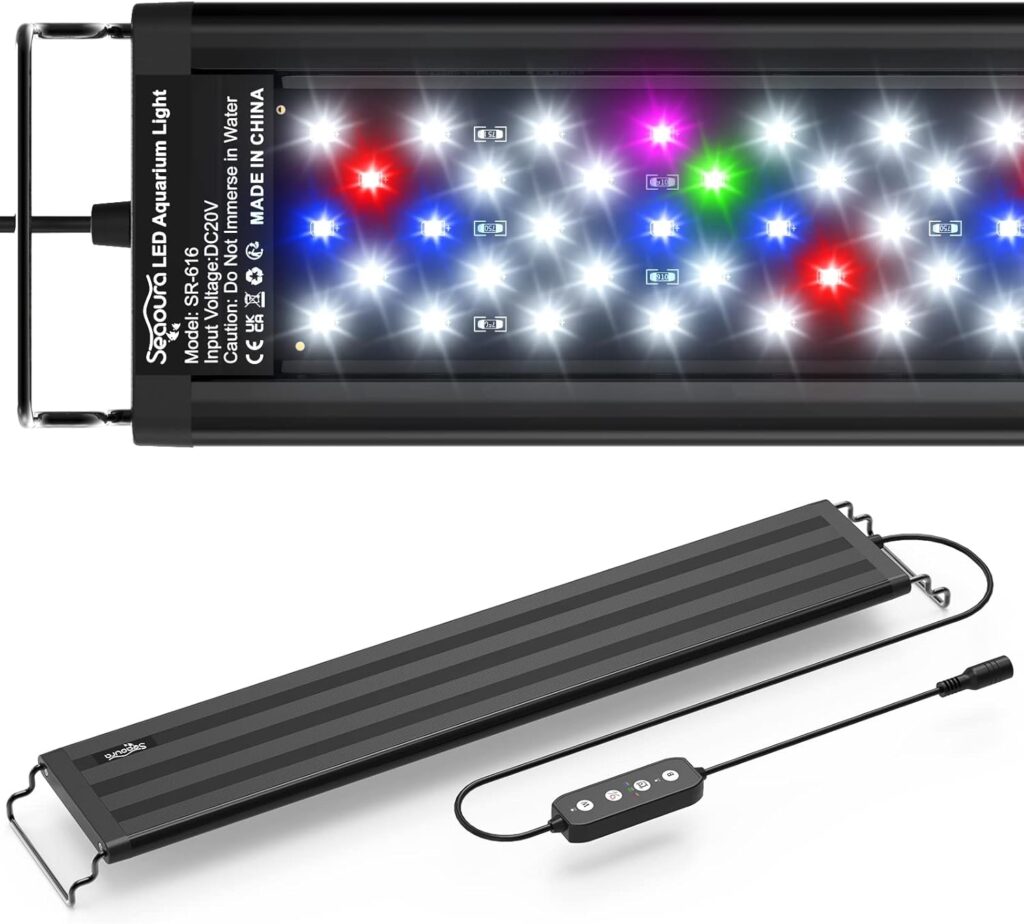
Stem community (mid light)
Full-spectrum bar LED with timer. Aim even coverage; raise height before blasting intensity.
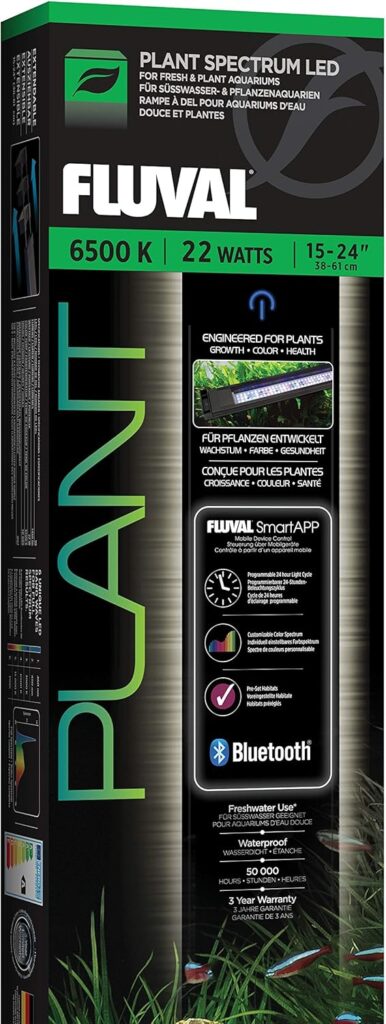
High-tech / carpet ambition
Stronger controllable LED (or quality T5 legacy). Pair with CO₂ and dosing—or expect algae.
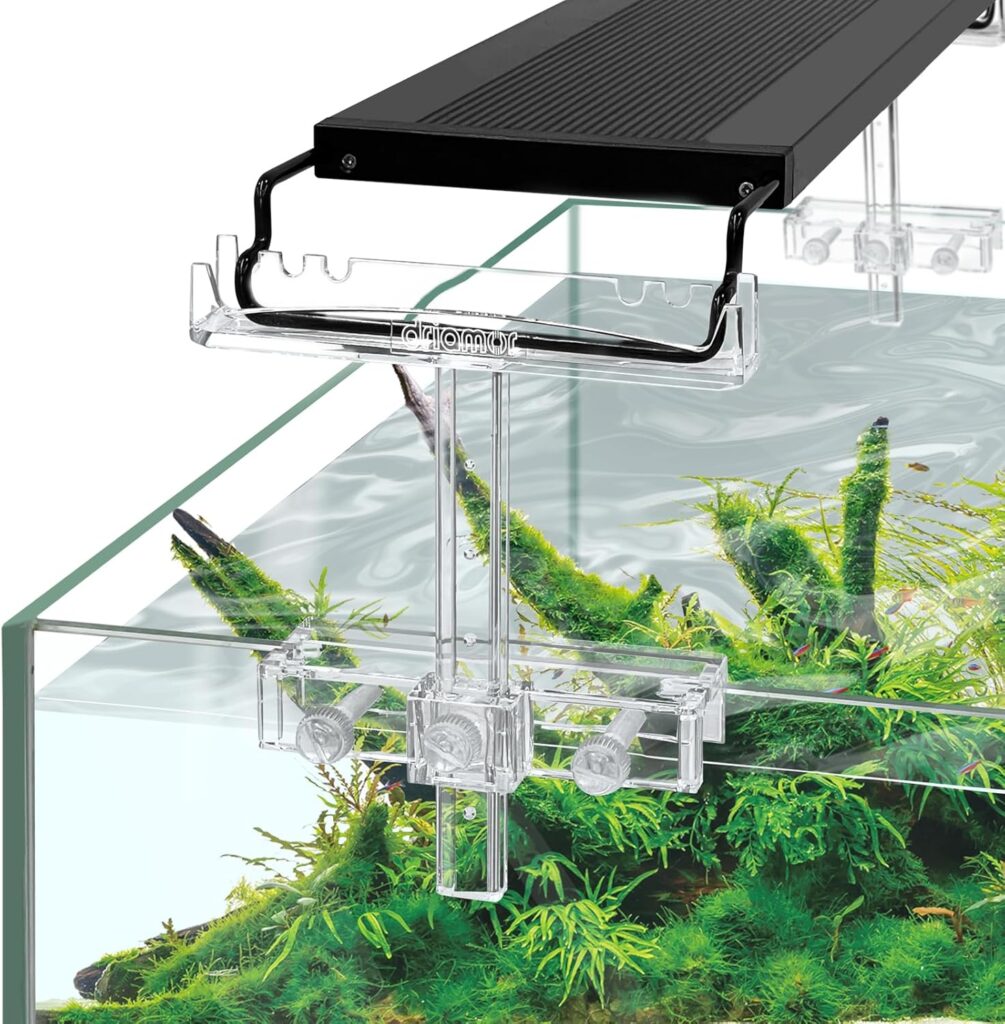
Budget / DIY curious
DIY can work for low-tech—only after electrical safety and heat/glare checks. See DIY section.
What “good lighting” looks like on a planted tank
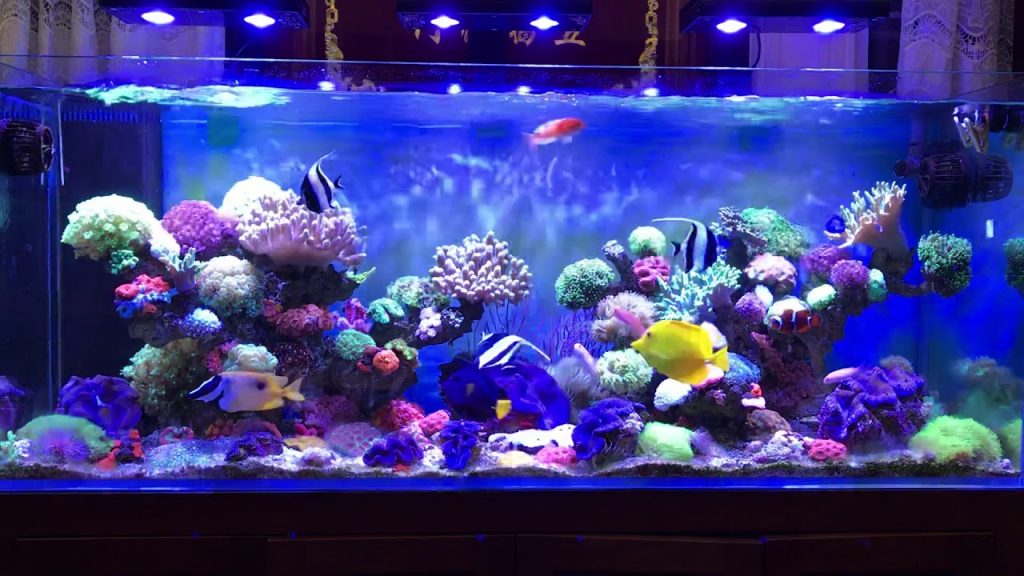
Even canopy, timed day length, plants compact without melting—and algae not painting the glass every week.
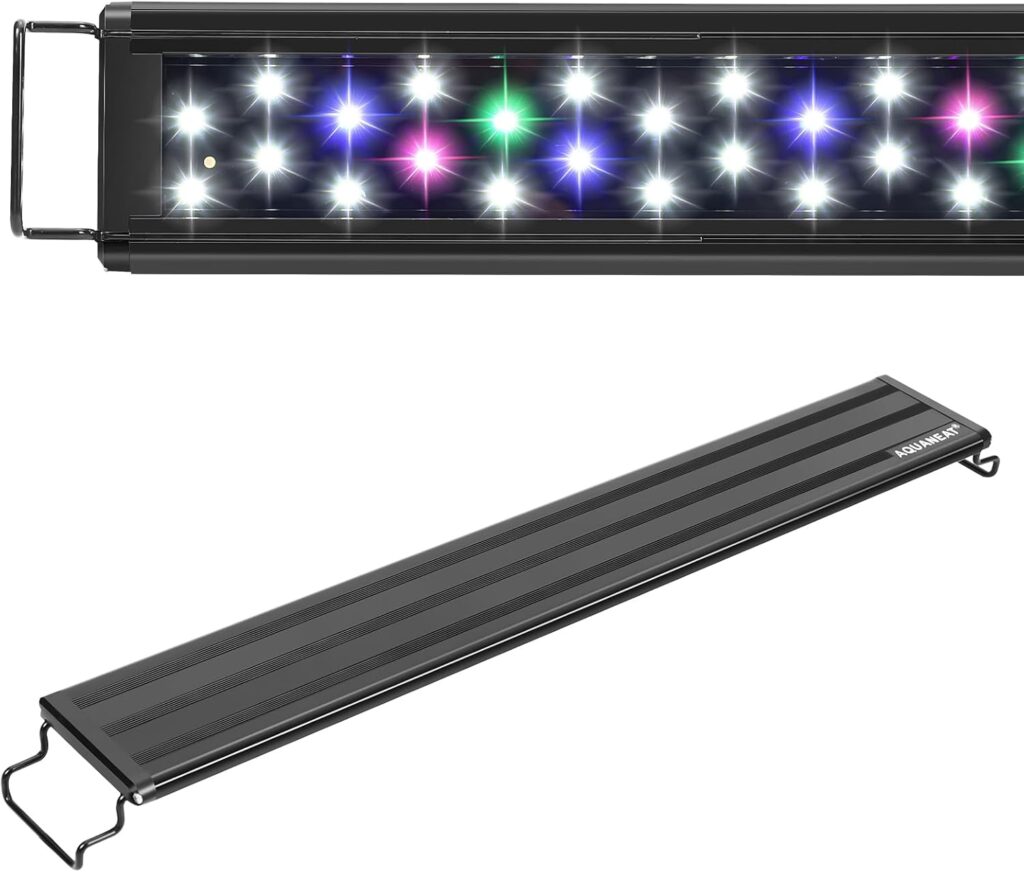
Core types (extra depth)
Most planted searches land on LED bars, clip-ons, or leftover T5/T8. These three get fuller ladders. RGB décor and DIY sit in shorter cards / appendix.
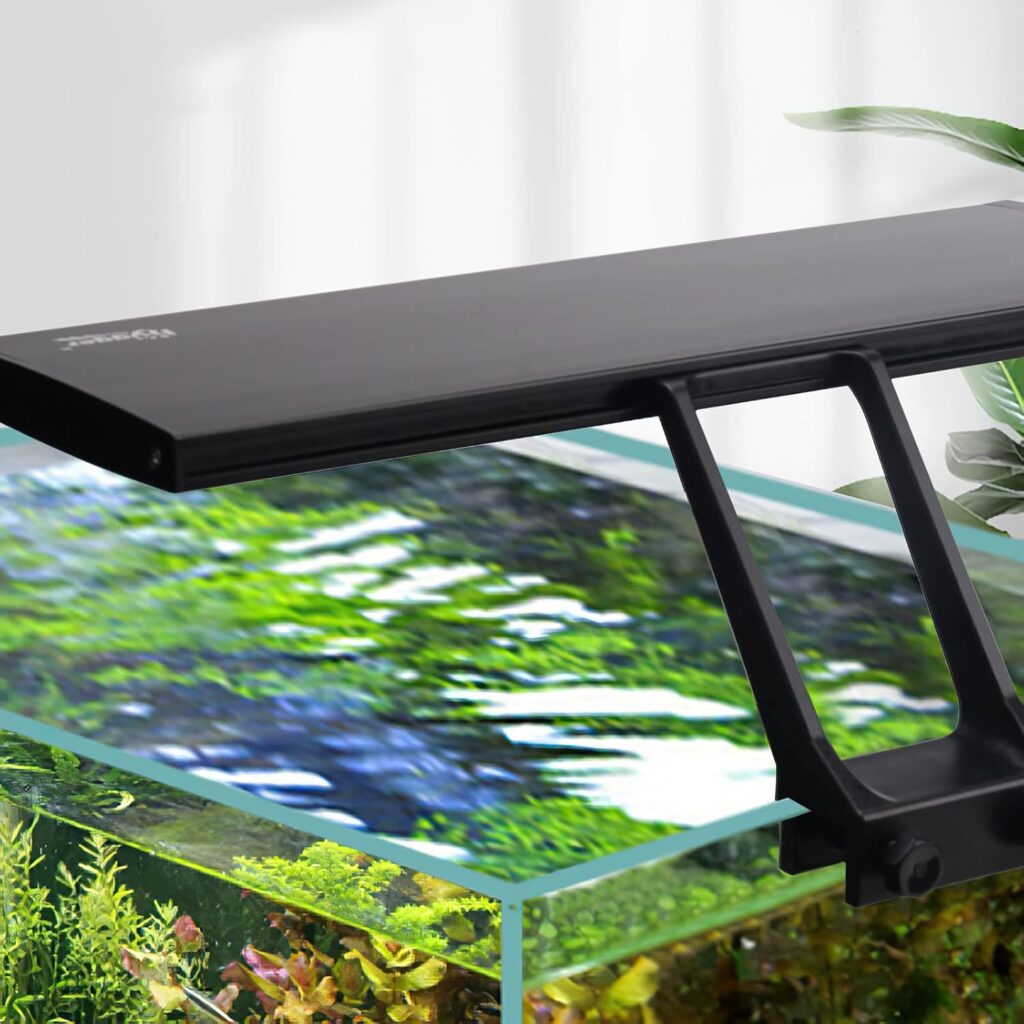
Full-spectrum LED bars (rim / hanging)
Planted LED · timer + dimming · Path B/C workhorse
Best default for modern planted tanks: efficient, cool-running, and dimmable so you can ramp intensity instead of buying a second fixture every month.
- Match length to tank; leave slight overhang gap—avoid dark corners.
- Start 50–70% intensity for 6–7 hours; raise one variable at a time.
- Raise the fixture (riser) before maxing dimmers if tops bleach or algae blooms.
- Promote to a stronger controllable unit only after photoperiod and CO₂/nutrients are already consistent.
Clip-on / kit LEDs
Budget · nano · Path A starter
Fine for easy plants and nano tanks. Weak for deep carpets and tall stem forests—hotspots create algae patches beside dim zones.
- Aim for even spread; avoid blasting one corner all day.
- Use white/plant modes—party RGB is décor, not a growth plan.
- Add a cheap timer so weekends don’t become 14-hour days.
- Promote to a full-length bar when stems stretch or you add demanding carpets.
T5 / T8 fluorescent (legacy)
Reflector tubes · still valid on older canopies
Still workable if you already own a canopy and replace bulbs on schedule. New builds almost always choose LED for heat, dimming, and running cost.
- Replace aged tubes—output drops long before they “die.”
- Use reflectors; keep glass clean between tubes and water.
- Plan LED migration when ballast fails or you need true dimming.
- Do not stack “more tubes” as the only algae fix—check photoperiod first.
Other options (shorter cards)
Useful context—rarely the first recommendation for a standard planted display.
RGB / “color show” lights
Décor modes · Instagram presets
Fine as evening décor after the growth photoperiod. Bad as the only daytime spectrum for demanding plants.
- Run a white/plant block on a timer for growth hours.
- Park RGB shows after lights-out for fish viewing.
- Promote away if growth stalls while show modes dominate.
Shop / grow lights (non-aquarium)
Clamp lamps · DIY frames
Can work for low-tech if spectrum and safety are sane. Splash risk, glare, and uneven PAR are common fails—see DIY appendix.
- Keep fixtures dry and GFCI-protected.
- Diffuse or raise to kill hotspots.
- Promote to aquarium LED when splash or heat becomes chronic.
Moonlight / night blue
Viewing glow · not growth hours
Does not replace daytime plant light. Keep short so fish rest and algae don’t get free hours.
- Limit night channels to viewing windows.
- Never count moonlight toward the growth photoperiod.
- Disable if algae accelerates with long night blues.
What planted-tank lighting must actually do
Pretty color is optional. Predictable intensity, day length, and even coverage are not.
Intensity fit
Match plant demand—not the brightest Amazon thumbnail.
Photoperiod
Stable 6–8 hours beats chaotic 12-hour weekends.
Even coverage
Hotspots grow algae beside dim stretch zones.
Ramp control
Dimming + height beat binary on/off floods.
System balance
Light without CO₂/nutrient readiness feeds the algae playbook.
Sources & positioning
- Tier 4 — field framework: paths, promotion thresholds, and DIY rules below are editorial synthesis for planted-tank keepers—not manufacturer PAR certificates for every SKU.
- Money spoke (separate URL): Best LED Lights for Planted Aquariums (2026) — shopping comparisons / ASIN intent.
- Related hubs: Aquarium algae control field guide, Best planted tank filters 2026.
- Tier 3 — definitions only: Photosynthesis, Photoperiodism — vocabulary only, not shopping verdicts.
Beginner trap
Buying the brightest LED, running it 10–12 hours on day one, with no CO₂ plan—then blaming “bad plants” when algae arrives.
Decision matrix (with promotion thresholds)
Work left → right. “Improve” means compact growth + manageable algae—not maximum brightness on a phone photo.
| Algae | 1. Manual / livestock | 2. Balance | Promote to 3. Gear when… | Promote to 4. Escalate when… |
|---|---|---|---|---|
| Path A low-tech | Timer 6–7h · wipe glass | Easy plants · modest ferts | Clip-on or small LED bar | Skip high-PAR bars unless you add CO₂ later |
| Path B stems | Even aim · clean cover glass | Stable fert schedule | Full-length dimmable LED + timer | Chronic stretch after 2 weeks → raise intensity OR lower height carefully |
| Path C carpet / high-tech | Ramp 1 variable/week | CO₂ + nutrients ready | Controllable high-output LED | Algae surge → cut hours/intensity before buying a second light |
| Shrimp / nano | Avoid hotspots · shade retreats | Gentle plant load | Small LED with dimming | Never “promote” to blast modes for photos alone |
| DIY / shop light | GFCI · splash checks | Diffuse hotspots | Only after dry safety test | Heat/glare/splash → buy aquarium LED |
Universal stop rule
If a lighting change triggers a rapid algae bloom or fish stress (gasping at surface from related imbalance), reduce hours/intensity first—do not add a second brighter fixture the same week.
7-day lighting ramp plan
One timed ramp beats buying three lights in a weekend.
Diagnose
- Note tank depth + plant list
- Write current hours + intensity
- Check CO₂ / fert status (on or off)
Choose path
- Match Path A–D
- Install or verify a timer
- Set 6–7 hours to start
Even the wash
- Center the bar / clip aim
- Raise height if hotspots
- Wipe glass / cover for clarity
Observe
- Watch stretch vs algae film
- Change only one variable
- Shop upgrades only if matrix says promote
DIY aquarium lights — when they win (and when they waste time)
Merged from older “make simple lights at home” posts. Same question beginners ask—answered with safety and promotion rules, not craft pride.
What “DIY light” means here
Shop LEDs on frames · homemade housings · clamp lamps over open-tops
DIY lighting is building or adapting a non-aquarium fixture so you trade money for time—and accept splash, heat, and spectrum risk yourself.
Low-tech Path A tanks, open-top racks you can keep dry, and keepers who enjoy fabrication. Keep a known aquarium LED ready if the experiment fails.
You want timers/dimming, splash-rated housings, and predictable plant spectrum without weekend electrical projects—especially Path B/C display tanks.
Promotion rule (DIY ↔ aquarium LED)
- Start aquarium LED if this is a show tank, rental, or first planted build.
- Try DIY only with GFCI, no standing water on drivers, and a timer you trust.
- Return to aquarium LED after heat, glare, splash, or chronic uneven growth you will not redesign.
DIY fits
Low-tech experiments, grow-rack shelves, learning builds with backup light ready.
DIY wastes time
Carpet high-tech, households with kids/pets near cords, zero interest in electrical safety.
Electrical notes
Never leave untested mains DIY over water unattended; prefer sealed aquarium fixtures.
Promotion
Second safety scare or algae from hotspots → buy a proper planted LED bar.
Where this sits in the merged hub
Older standalone DIY light articles are folded here so readers get one answer: choose path first, then DIY only with a promotion threshold—shopping comparisons live on the Best LED 2026 spoke.
Buying a second light before fixing the timer?
Almost never. Stabilize hours and aim for a full week before escalating spend. Chaos photoperiod looks like “I need more watts.”
Products — criteria first (details on the LED money spoke)
Selection criteria: (1) matches a path above, (2) timer or external timer, (3) dimming or height control for ramps, (4) even coverage for your tank length. Deep ASIN roundups live on Best LED Lights for Planted Aquariums (2026). Search links below include our associate tag.
Group A — Path A starters
| Option | Best when… | Skip when… | Why it wins here |
|---|---|---|---|
| Clip-on LED with timer modes | Nano / easy plants; budget Path A | Deep carpets / tall stem forests | Fast start; watch hotspots and RGB-only days |
| Short full-spectrum bar | Small tanks needing even wash | Very tall tanks without riser options | More even than a single clamp lamp |
Pick clip-on for true nano low-tech. Move to a short bar when you see stretch or uneven algae patches.
Group B — Path B/C workhorses
| Option | Best when… | Skip when… | Why it wins here |
|---|---|---|---|
| Full-length dimmable planted LED | Stem community; need ramp control | Owners who refuse timers | Even coverage + intensity without new hardware |
| Controllable high-output LED | Path C with CO₂ ready | Low-tech beginners on day one | Headroom for carpets—only after balance exists |
Compare specific models on the Best LED 2026 spoke. Here: buy length + dimming first, brand wars second.
Group C — Control accessories
| Option | Best when… | Skip when… | Why it wins here |
|---|---|---|---|
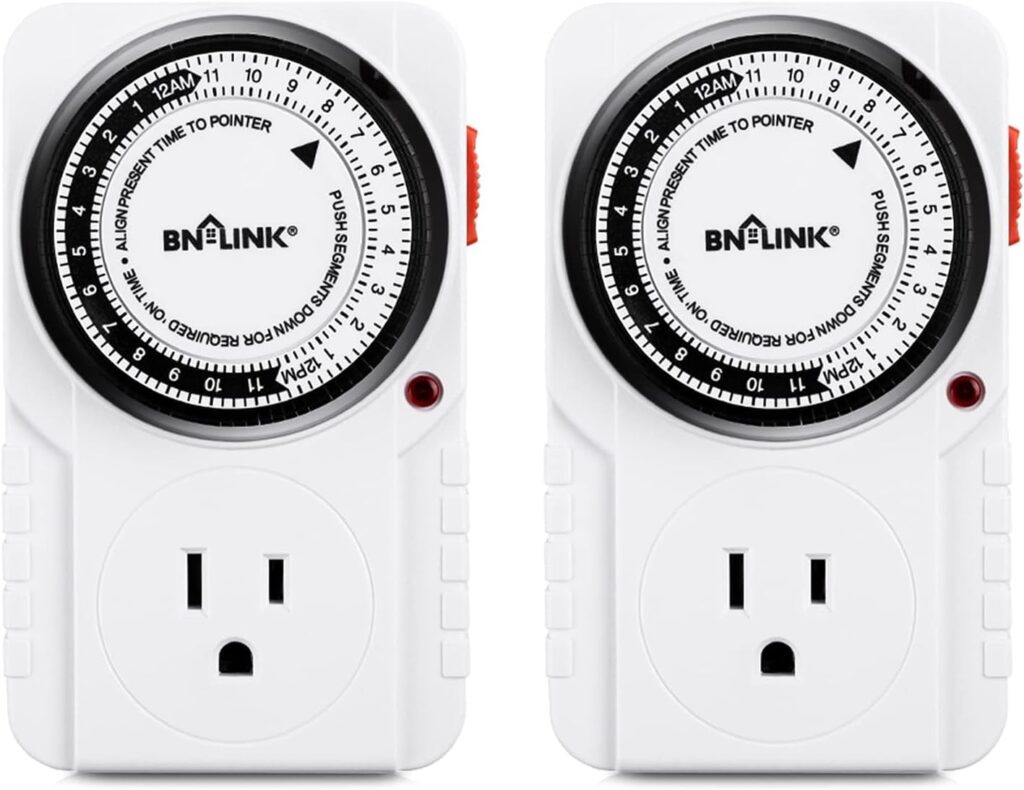
| Mechanical / smart timer | Any light without a reliable built-in timer | As a substitute for cutting intensity | Photoperiod discipline beats impulse upgrades |
| Light riser / legs | Hotspots or bleaching at full power | Already max height with chronic stretch (need more output instead) | Cheap way to soften intensity before buying a new fixture |
Add timer + riser before a second light head. Pair lighting changes with the algae hub if film appears.
Affiliate disclosure: We may earn a commission from qualifying Amazon purchases at no extra cost to you. Recommendations follow the criteria above—verify spectrum claims, tank fit, and return policies for your region. Product photos are catalog references.
FAQ
How many hours should planted tank lights run?
Most tanks do well starting at 6–7 hours on a timer. Extend slowly only if plants stay compact and algae stays manageable. Long chaotic weekends are a common algae trigger—see the algae control hub.
Is LED always better than T5?
For new builds, usually yes—dimming, heat, and running cost. Inherited T5 canopies still work if bulbs are fresh; promote to LED when you need controllable ramps.
Can more light fix slow plant growth alone?
No. Light is one lever. Without nutrients (and CO₂ on high-tech paths), extra intensity often grows algae faster than plants.
Where should I shop specific LED models?
Use this hub for path + photoperiod rules, then the separate Best LED Lights for Planted Aquariums (2026) roundup for commercial comparisons.
Should beginners DIY a tank light?
Only with electrical safety and a backup plan. Most beginners should buy a timer-capable aquarium LED first—see the DIY section.
Does filtration replace good lighting discipline?
No. Filters stabilize biology and clarity; they do not set photoperiod. Pair this guide with the planted filters hub when you tune the whole system.
Aqua Plants Hub Editorial